


Macaron Baking Troubleshooting: Common Problems and Solutions
Macarons are one of the most delicate desserts in baking because they depend on precise measurements, proper technique, and controlled baking conditions. Even a small mistake in mixing, temperature, or resting time can completely change the final result. Many bakers face issues like cracked shells, hollow centers, or flat macarons, especially in the beginning. The good thing is that every problem has a clear reason and a simple solution once you understand the science behind it.
In this blog, we will explore the most common macaron baking problems and explain how to fix them in a practical and easy way so you can improve your results step by step.
Why Macarons Fail Easily
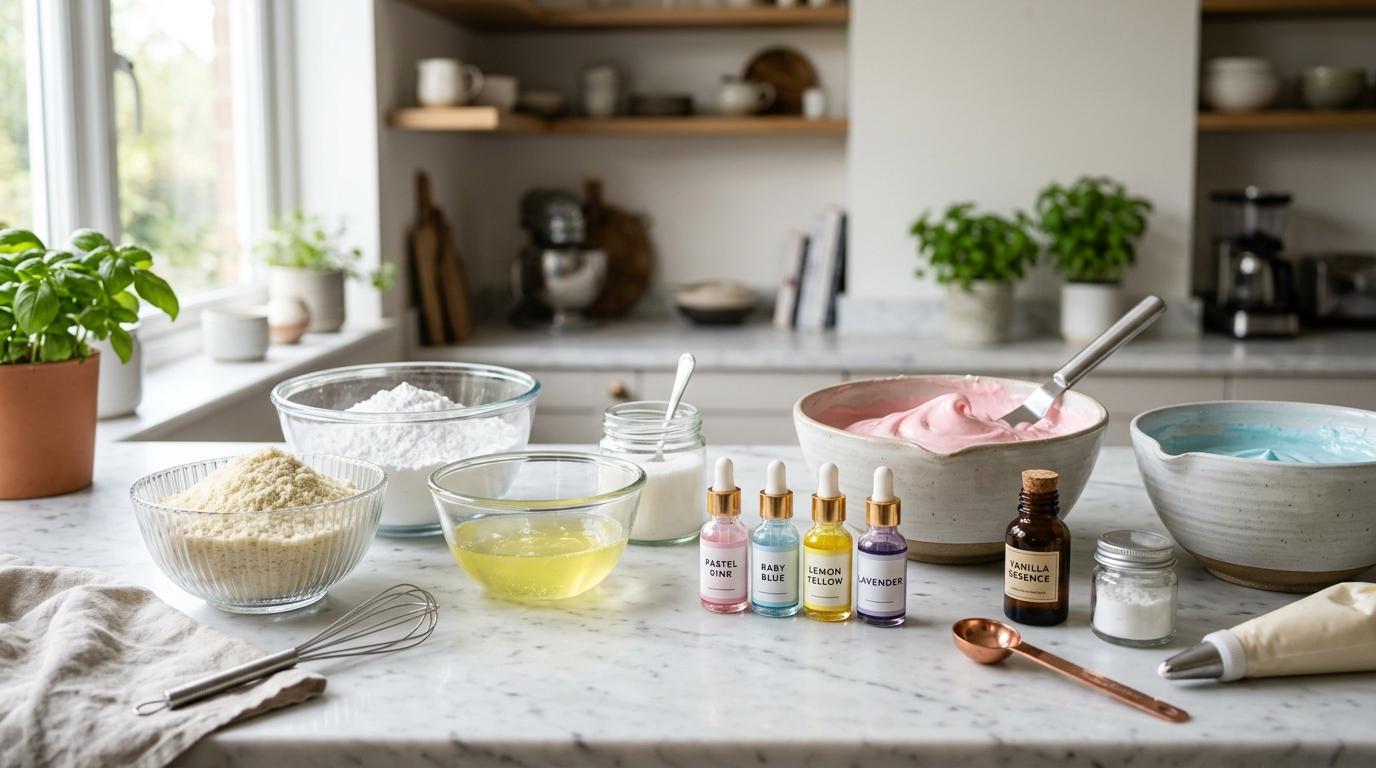
Macarons fail easily because they are not ordinary cookies they are a balance of chemistry and technique. The structure depends on whipped egg whites, sugar stability, and almond flour consistency. If any part of the process is off, the entire structure can collapse. Unlike simple baking recipes, macarons react strongly to humidity, oven temperature changes, and mixing speed, which makes them more sensitive than most desserts.
Another important reason is that macarons require visual judgment during mixing and baking rather than exact timing. This means experience plays a big role, and beginners often struggle until they learn the correct texture and consistency needed at each stage.
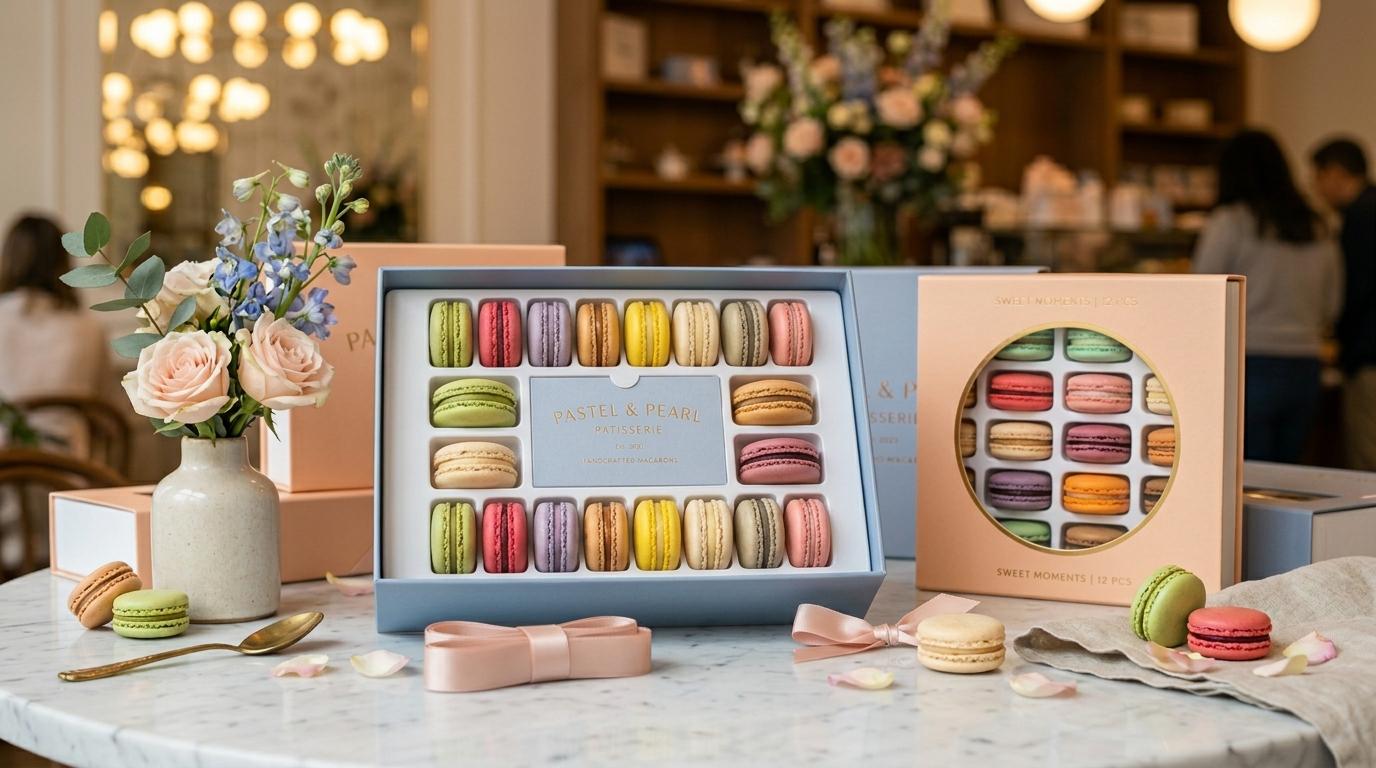
Macaron Packaging are specially designed packaging solutions that hold each macaron in place using inserts or compartments. This prevents movement during transport and protects their delicate shape.
Cracked Macaron Shells
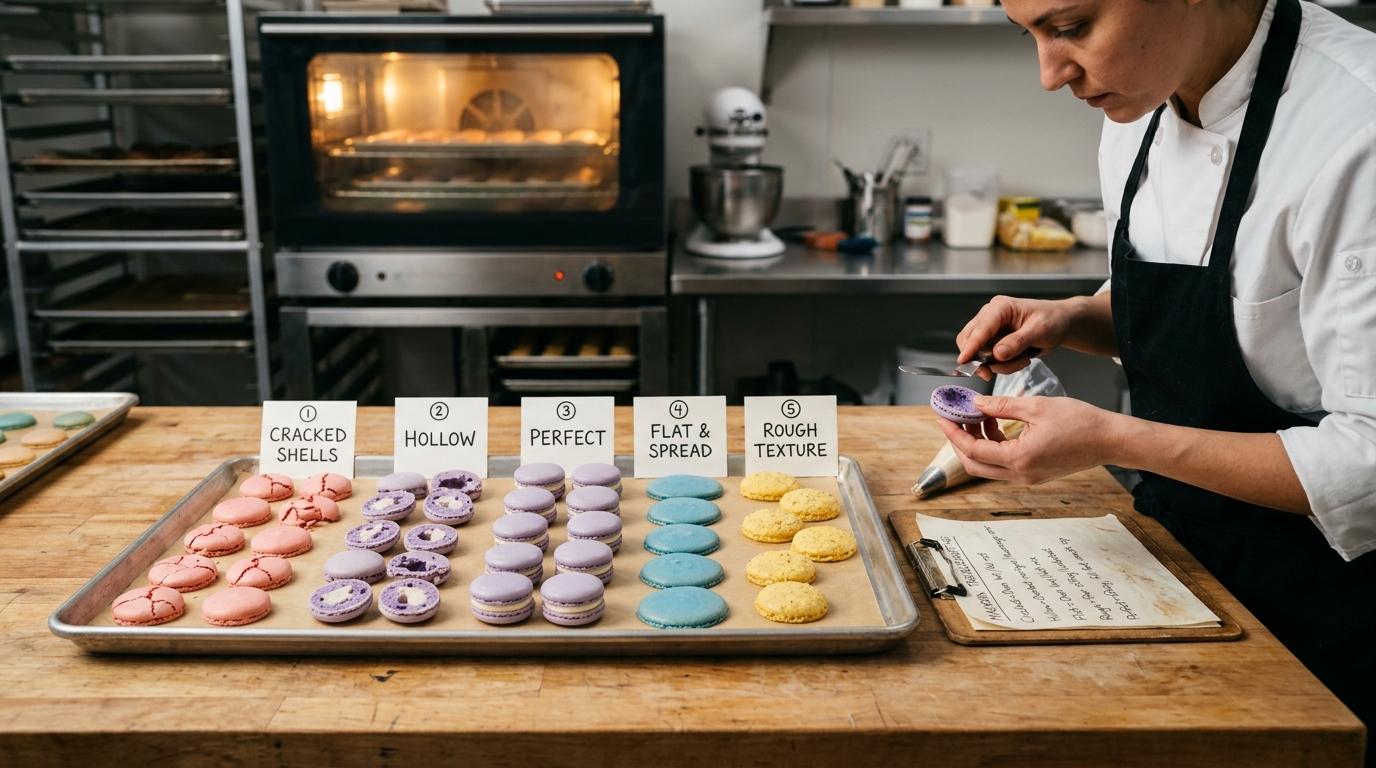
Cracked shells are one of the most frustrating problems for bakers because the macarons may look perfect before baking but break during oven expansion. This usually happens when air trapped inside the batter expands too quickly or when the outer skin is not properly formed.
The main causes include high oven temperature, uneven mixing, or skipping resting time before baking. When macarons are placed in the oven without forming a protective skin, steam escapes unevenly and causes cracks on the surface.
To fix this issue, it is important to rest the piped batter until a light dry layer forms on top. This layer acts like a shield during baking. It is also important to check oven temperature using a thermometer because even a small difference can affect the structure. Proper tapping of trays before resting also helps release trapped air bubbles.
Hollow Macarons
Hollow macarons have empty space inside the shell instead of a soft and chewy interior. This is usually a sign that the structure was not stable enough during baking or cooling.
One common reason is over-whipping egg whites, which creates a foam that rises too quickly and collapses afterward. Another reason is unstable oven heat, where the outer shell sets too fast while the inside does not cook properly.
To solve this, egg whites should be whipped until they form stiff but glossy peaks, not dry or grainy foam. Baking should be done at a consistent temperature, and macarons should always be cooled completely before removing them from the tray. This helps the internal structure settle properly.
Flat Macarons
Flat macarons spread too much during baking and lose their round shape. This happens when the batter becomes too runny or weak to hold its structure.
Overmixing is one of the most common reasons. When the batter is mixed too much during macaronage, the air structure breaks down and becomes too thin. High humidity or excess moisture in ingredients can also weaken the batter.
The solution is to stop mixing when the batter flows slowly like thick lava. It should not be too stiff or too runny. Keeping almond flour dry and properly stored also helps maintain consistency. In humid environments, it is better to control room conditions or avoid baking on very moist days.
No Feet Formation
The feet are the small ruffled base that forms at the bottom of macarons, and they are considered a signature feature. When macarons do not develop feet, it usually means something went wrong in the early baking stage.
Skipping resting time is one of the biggest reasons. Without resting, steam escapes from the top instead of pushing the batter upward from the bottom. Weak meringue or low oven temperature can also stop proper foot formation.
To fix this, macarons should always be rested until a skin forms. The batter should be properly whipped and stable, and oven temperature should allow gentle but steady expansion.
Rough or Grainy Surface
A rough surface makes macarons look unprofessional and uneven. This usually happens when almond flour is too coarse or not sifted properly. Sometimes it also happens when the batter is not mixed enough to remove dry particles.
To solve this, almond flour should be finely ground and sifted at least twice before mixing. The batter should be folded gently until it becomes smooth and glossy. This ensures a clean surface and professional finish after baking.
Weak Structure or Hollow Tops
Sometimes macarons look fine from the top but collapse or separate inside. This happens when the internal structure is weak or too much air is trapped inside the batter.
Improper folding technique is a common reason. If air is not removed properly during mixing or tray tapping, the structure becomes unstable. The solution is to fold the batter carefully and remove air bubbles by gently tapping the tray before resting.
Importance of Baking Environment
Macarons are extremely sensitive to environmental conditions. Temperature, humidity, and oven performance all directly affect the final result. Even slight changes in weather can impact baking quality. This is why professional bakers often adjust recipes depending on conditions and always test ovens before large batches.
Importance of Packaging in Macarons
Once macarons are perfectly baked, proper handling and packaging become very important because they are delicate and can break easily. They also absorb moisture quickly, which can affect texture and freshness.
These boxes help in:
-
Protecting macarons from damage during delivery
-
Maintaining freshness and texture for longer time
-
Improving product presentation for customers
-
Enhancing brand identity with custom designs
-
Making macarons suitable for premium gifting
A well-designed box can completely transform the product into a luxury dessert experience.
Companies like Silver Edge Packaging provide high-quality custom packaging solutions for bakery and dessert businesses. Their packaging helps brands present macarons in a professional, attractive, and safe way while maintaining product quality.
Final Thoughts
Macaron baking requires patience, precision, and practice. Every problem in baking has a scientific reason, and once you understand it, fixing mistakes becomes much easier. From cracked shells to hollow centers, most issues can be solved by adjusting mixing technique, oven temperature, and resting time.
With consistent practice and proper technique, anyone can improve their macaron results and achieve smooth, beautiful, and professional-quality desserts every time.

 English
 Arabic
 French
 Spanish
 Portuguese
 Deutsch
 Turkish
 Italiano
 Russian
 Romaian
 Portuguese (Brazil)
 Greek
Greek