


The Future of Telehealth: Why Medical Director Oversight Matters
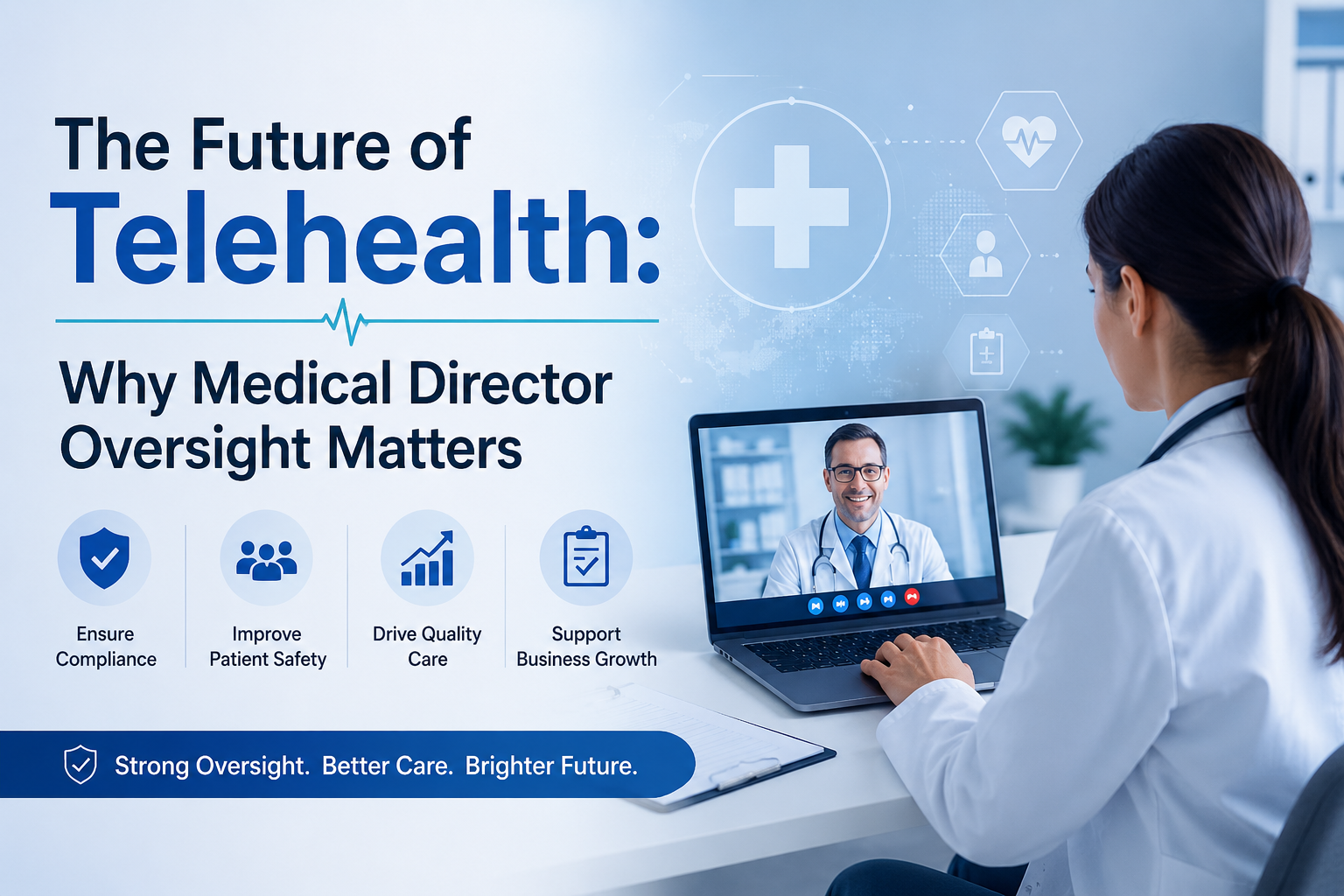
The healthcare industry is rapidly evolving, and telehealth has become one of the most transformative innovations in modern medicine. What started as a convenient solution during emergencies has now become a permanent part of healthcare delivery across the United States. From virtual consultations and online prescriptions to remote patient monitoring and digital wellness services, telehealth is reshaping how patients access care.
As the industry grows, so does the need for proper medical leadership and regulatory compliance. This is where medical director oversight becomes essential. Telehealth companies, wellness clinics, medical spas, and healthcare startups all rely on qualified medical directors to maintain quality standards, ensure patient safety, and meet legal requirements.
In the future of digital healthcare, medical director oversight will not simply be an option — it will be a necessity.
The Rapid Growth of Telehealth
Telehealth adoption has accelerated significantly over the last few years. Patients now prefer virtual healthcare because it offers:
- Faster access to providers
- Convenience from home
- Reduced travel time
- Lower healthcare costs
- Improved care for rural communities
- Better chronic disease management
Healthcare providers are also benefiting from telemedicine through improved efficiency, expanded patient reach, and streamlined digital operations.
Today, telehealth services cover multiple healthcare sectors, including:
- Primary care
- Mental health services
- Weight loss programs
- Hormone therapy
- Dermatology
- Chronic care management
- Medical spas and wellness clinics
- Prescription management
As virtual healthcare continues expanding nationwide, regulations and compliance requirements are becoming increasingly complex.
Why Medical Director Oversight Matters
A medical director plays a critical role in supervising healthcare operations and ensuring that telehealth services are delivered ethically, legally, and safely. In many states, medical oversight is legally required for telemedicine businesses and wellness clinics.
Medical directors help organizations maintain clinical standards while protecting both patients and providers.
Key Responsibilities of a Medical Director
Medical directors oversee several important areas, including:
- Clinical protocol development
- Physician supervision
- Compliance management
- Quality assurance
- HIPAA and patient privacy standards
- Staff training and education
- Prescription oversight
- Risk management
- State-specific healthcare regulations
Without proper oversight, telehealth businesses may face legal issues, compliance violations, patient safety risks, and operational disruptions.
Ensuring Regulatory Compliance
One of the biggest challenges in telehealth is navigating healthcare regulations that vary by state. Telemedicine laws are constantly changing, and businesses operating across multiple states must ensure full compliance at all times.
Medical directors help organizations stay compliant with:
- State telehealth laws
- Licensing requirements
- Good faith exam regulations
- Prescription guidelines
- Corporate practice of medicine rules
- Documentation standards
- Consent requirements
- Electronic medical record compliance
This oversight reduces legal exposure and helps healthcare businesses operate confidently in a highly regulated environment.
Improving Patient Safety and Quality of Care
Patient trust is the foundation of telehealth success. Medical director oversight helps maintain high clinical standards while ensuring that patients receive safe and effective care.
Medical directors establish protocols for:
- Proper patient evaluations
- Appropriate prescribing practices
- Emergency response procedures
- Clinical decision-making
- Provider accountability
- Quality improvement initiatives
By supervising healthcare teams and monitoring patient care standards, medical directors create a safer healthcare environment for everyone involved.
Supporting Telehealth Business Growth
As telehealth businesses expand, managing compliance and operations becomes more difficult. Medical directors provide the leadership needed to scale responsibly while maintaining healthcare standards.
They support business growth by:
- Developing scalable clinical systems
- Assisting with multi-state expansion
- Streamlining provider onboarding
- Improving operational efficiency
- Reducing compliance risks
- Strengthening healthcare credibility
For startups and growing telehealth brands, professional medical oversight can become a major competitive advantage.
The Role of Medical Directors in Medical Spas and Wellness Clinics
Medical spas and wellness clinics are increasingly integrating telehealth services into their operations. Services such as hormone therapy, weight loss programs, IV therapy consultations, and skincare treatments often require physician supervision.
Medical directors help med spas and wellness clinics by:
- Supervising treatments and protocols
- Ensuring compliance with healthcare laws
- Conducting chart reviews
- Managing provider oversight
- Supporting telemedicine consultations
- Maintaining patient safety standards
As wellness-focused healthcare continues to grow, oversight will remain critical to protecting both patients and businesses.
Technology and the Future of Telehealth
The future of telehealth will be driven by advanced technologies such as:
- Artificial intelligence
- Remote patient monitoring
- Wearable health devices
- Integrated electronic health records
- Virtual diagnostics
- Mobile healthcare applications
While technology improves efficiency, it also increases the need for strong medical leadership. Medical directors will play an even greater role in evaluating digital healthcare tools, ensuring ethical use of technology, and maintaining clinical integrity.
Building Patient Trust in Virtual Healthcare
Many patients still have concerns about receiving healthcare online. Proper medical oversight helps establish trust by ensuring that telehealth providers follow strict medical and ethical standards.
When patients know that licensed medical professionals supervise healthcare services, they feel more confident about:
- Treatment accuracy
- Prescription safety
- Privacy protection
- Provider qualifications
- Overall quality of care
Trust and transparency will continue to shape the future success of telehealth businesses.
Why Telehealth Companies Need Professional Oversight
Telehealth is no longer a temporary healthcare trend. It is becoming a permanent and essential part of modern medicine. However, rapid growth without proper oversight can create serious risks for healthcare providers.
Professional medical director oversight helps telehealth organizations:
- Operate legally
- Protect patients
- Improve healthcare quality
- Expand safely
- Build long-term credibility
- Reduce operational risks
Businesses that prioritize compliance and clinical leadership today will be better positioned for long-term success in the evolving healthcare industry.
Conclusion
The future of telehealth is incredibly promising. Virtual healthcare is improving access, increasing convenience, and transforming patient experiences across the country. However, with growth comes responsibility.
Medical director oversight is essential for maintaining compliance, protecting patients, improving healthcare quality, and supporting sustainable business growth. As telehealth technology continues advancing, strong medical leadership will become even more important.
Healthcare organizations that invest in qualified medical oversight today will lead the future of safe, ethical, and compliant telehealth services tomorrow.

 English
 Arabic
 French
 Spanish
 Portuguese
 Turkish
 Dutch
Dutch
 Italiano
 Russian
 Romaian
 Portuguese (Brazil)
 Greek
Greek