


Why Early Childhood Education Builds Strong Foundations for Kids
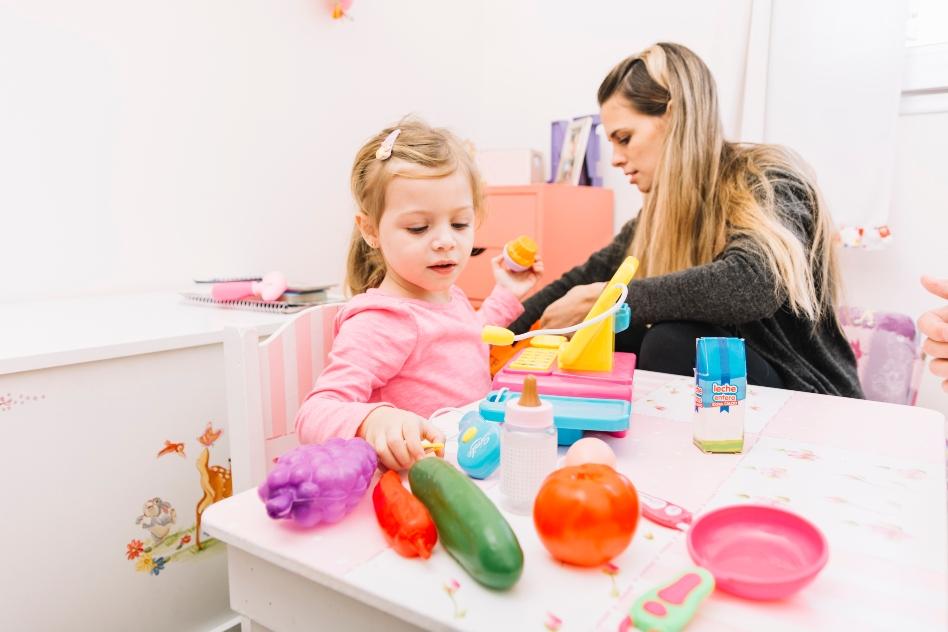
Pre-nursery education is an essential part of early childhood development that helps children build a strong foundation for future learning. During the early years, children develop rapidly in terms of communication, emotions, social interaction, and cognitive abilities.
One of the most important advantages of early childhood education is that it allows children to learn through structured play and guided activities. This helps them develop essential life skills in a natural and enjoyable way.
Social development is one of the key benefits. Children learn how to interact with others, share, cooperate, and communicate effectively. This early exposure helps them feel more confident in group environments.
Emotional growth is also strongly supported. Children learn how to express feelings, manage emotions, and build resilience through supportive teacher guidance and interactive activities.
Language development improves through storytelling, songs, and communication-based activities. Children expand their vocabulary and improve speaking and listening skills, which supports later academic success.
Cognitive skills are enhanced through puzzles, games, and creative tasks that encourage problem-solving and logical thinking. These activities help children understand patterns, shapes, and numbers.
Routine and discipline also play a major role. Daily schedules teach children structure, responsibility, and independence, helping them adjust more easily to formal schooling.
Creativity is encouraged through art, music, and imaginative play, allowing children to express themselves freely while developing fine motor skills.

 English
 Arabic
 French
 Spanish
 Portuguese
 Deutsch
 Turkish
 Dutch
Dutch
 Italiano
 Russian
 Romaian
 Greek
Greek