


Home Care Specialists: The Complete Guide to Personalized In-Home Support for Families
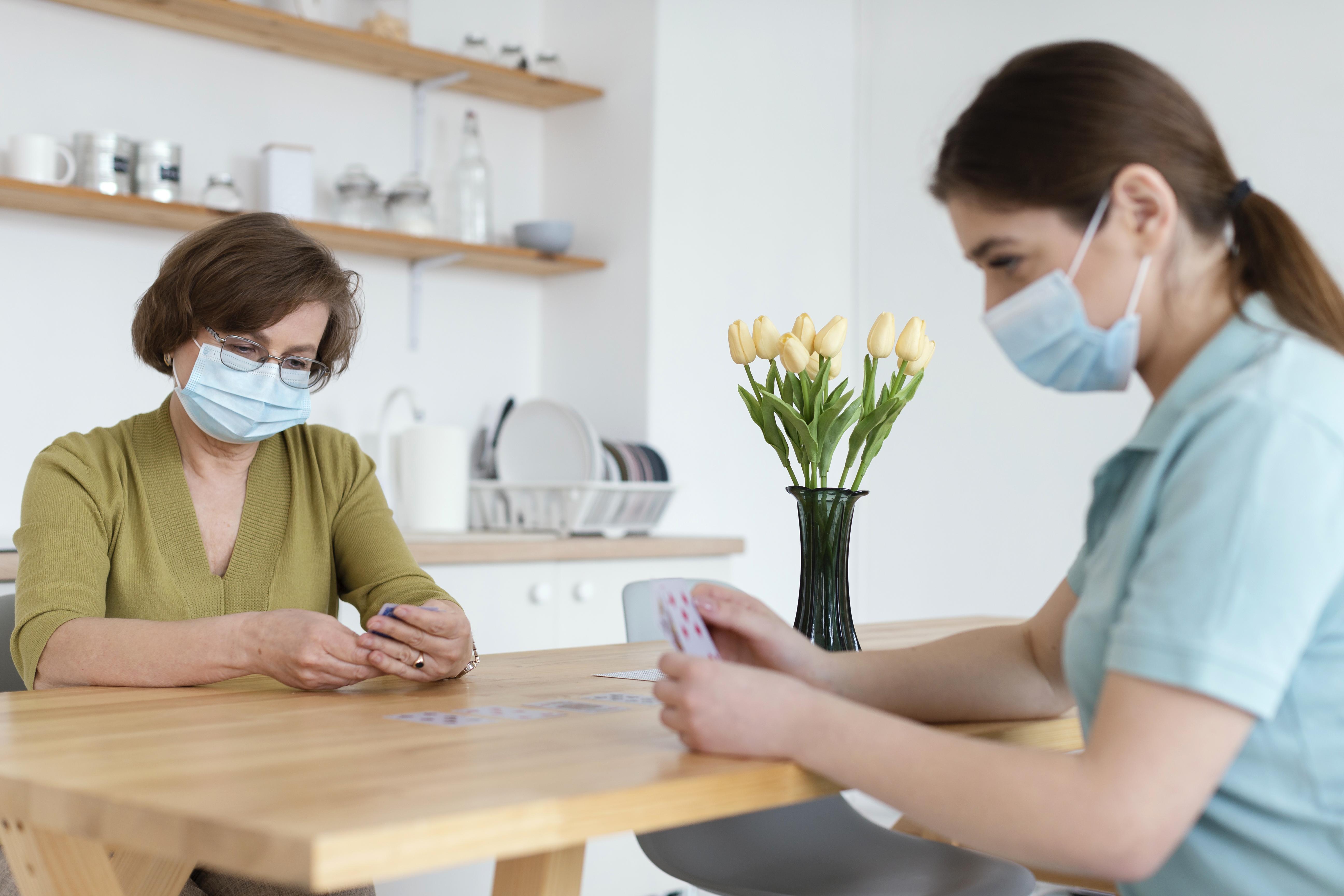
Understanding the Role of Home Care Specialists
The healthcare landscape has changed dramatically over the last decade, and home care specialists are now at the center of that transformation. Families no longer see nursing homes or long hospital stays as the only solution for aging parents or loved ones with chronic conditions. Instead, many people are choosing personalized care delivered directly inside the comfort of home. This shift is not just about convenience. It is about dignity, independence, emotional comfort, and maintaining familiar surroundings during vulnerable moments in life.
A home care specialist is a trained professional who provides assistance to individuals who need support with daily activities, health monitoring, rehabilitation, or emotional companionship. These specialists may include caregivers, certified nursing assistants, registered nurses, therapists, and dementia care experts. Their role goes far beyond helping with medication or meals. They become trusted companions and often form meaningful relationships with patients and families. Think of them as the bridge between independent living and full-time institutional care.
The global demand for home care services continues to rise rapidly. Recent industry reports estimate the global home healthcare market could exceed USD 1 trillion by 2033, driven largely by aging populations and the growing preference for in-home treatment. At the same time, nearly 90% of seniors prefer to age in place rather than move into long-term care facilities. Those numbers tell an important story. People want care, but they also want familiarity, routine, and emotional security.
What Home Care Specialists Actually Do
The responsibilities of home care specialists vary depending on the patient’s needs. Some provide non-medical support such as cooking, housekeeping, bathing assistance, and companionship. Others handle advanced medical tasks like wound care, injections, therapy exercises, and monitoring chronic illnesses. The flexibility of home care is one of its strongest advantages because services can be tailored to fit the exact situation.
Imagine an elderly man recovering from surgery. Instead of staying in a rehabilitation center for weeks, he can receive skilled nursing support at home while sleeping in his own bed and surrounded by family. A caregiver may help him move safely around the house, prepare healthy meals, remind him to take medication, and coordinate with doctors remotely. That personalized attention often accelerates recovery while reducing stress and hospital readmissions.
Home care specialists also support people with disabilities, cognitive decline, or terminal illnesses. In dementia care, for example, specialists use structured routines, memory support techniques, and emotional reassurance to reduce confusion and anxiety. Their work requires patience, empathy, and strong communication skills because they are dealing with people during emotionally sensitive periods of life.
Why Families Are Choosing In-Home Care Over Facilities
There is a growing realization that healing and comfort are deeply connected to environment. Hospitals may provide excellent medical care, but they can also feel cold, stressful, and impersonal. Home care offers a softer alternative. Patients remain connected to their routines, pets, memories, and loved ones while still receiving professional assistance.
Financial factors also play a role. In many regions, long-term facility care costs significantly more than part-time or customized in-home support. Families can select specific hours and services instead of paying for full institutional packages they may not fully need. According to recent industry data, the U.S. home care market alone surpassed $107 billion in 2025, highlighting how rapidly this sector is expanding.
The emotional impact is equally important. Elderly individuals often experience depression or isolation when separated from familiar surroundings. Home care specialists help reduce that emotional strain by allowing seniors to maintain independence and personal identity. Families also gain peace of mind knowing someone reliable is monitoring their loved one regularly.
Types of Services Offered by Home Care Specialists
The phrase home care specialists covers a wide spectrum of services. Some people only require a few hours of support each week, while others need around-the-clock medical attention. Understanding these service categories helps families make better decisions and avoid paying for unnecessary care.
Personal Care Assistance
Personal care is one of the most common services offered by home care professionals. These tasks may sound simple, but they are essential for maintaining dignity, safety, and overall well-being. Assistance with bathing, dressing, grooming, meal preparation, and mobility can dramatically improve quality of life for seniors or disabled individuals.
For someone struggling with arthritis or recovering from surgery, everyday actions like climbing stairs or getting dressed can feel like scaling a mountain. Home care specialists act like experienced climbing guides, providing support without taking away independence. They encourage patients to remain active while ensuring safety and reducing injury risks.
Personal care specialists also monitor nutrition and hydration, which are often overlooked problems among elderly adults. Malnutrition and dehydration can quickly lead to hospitalizations, weakness, and cognitive decline. By preparing balanced meals and encouraging healthy habits, caregivers help prevent complications before they arise.
Medical and Skilled Nursing Care
Medical home care involves licensed healthcare professionals delivering clinical services at home. These may include wound treatment, IV therapy, medication management, physical therapy, speech therapy, and chronic disease monitoring. Patients recovering from surgery, strokes, or serious illnesses often benefit greatly from this type of care.
One major advantage is reduced hospital exposure. Hospitals are vital for acute emergencies, but extended stays increase risks of infections and emotional exhaustion. Skilled home care allows patients to recover in safer, calmer environments while still receiving professional oversight.
Technology has also enhanced home-based medical care significantly. Remote monitoring devices now allow nurses and physicians to track blood pressure, oxygen levels, heart rhythms, and glucose readings from a distance. Industry experts believe telehealth and smart monitoring systems will continue reshaping elder care over the next decade.
Dementia and Alzheimer’s Support
Caring for someone with dementia requires specialized training and emotional resilience. Memory loss conditions affect not only the patient but also the entire family dynamic. Home care specialists trained in dementia care understand how to create calming routines, manage behavioral changes, and reduce confusion.
A familiar environment can significantly benefit people with Alzheimer’s disease. Recognizable surroundings help trigger memories and minimize disorientation. Moving someone into a new facility too early can increase anxiety and emotional distress. That is why many families prefer home-based dementia support during the earlier and middle stages of cognitive decline.
Caregivers also provide respite for family members who may be emotionally exhausted. Caring for a loved one with dementia is like carrying a backpack that becomes heavier each day. Home care specialists help distribute that weight, allowing families to rest without guilt.
Companionship and Emotional Care
Loneliness is one of the most underestimated health risks facing seniors today. Social isolation can increase risks of depression, anxiety, cognitive decline, and even heart disease. Home care specialists provide emotional support that goes far beyond completing tasks.
Sometimes the most important part of caregiving is simply sitting down and listening. A meaningful conversation over tea can brighten an elderly person’s entire day. Companionship caregivers may play games, accompany clients on walks, help with hobbies, or encourage social engagement.
This emotional connection often improves mental well-being as much as physical assistance improves health. Human beings are social creatures, and emotional nourishment matters at every age.
Benefits of Hiring Home Care Specialists
Families often hesitate before hiring outside care because it feels deeply personal. Trusting someone with the well-being of a loved one is a major decision. Yet professional home care can transform both the patient’s life and the family’s emotional health.
Personalized One-on-One Attention
One of the biggest strengths of home care is customization. Unlike crowded healthcare facilities where staff divide attention among many patients, home care specialists focus directly on one individual. This personalized approach allows care plans to adapt continuously based on changing needs.
For example, if a senior begins experiencing mobility challenges, the caregiver can quickly adjust routines to prevent falls. If dietary needs change, meal preparation can be modified immediately. Personalized attention also allows caregivers to notice subtle health changes before they become serious problems.
That level of individualized care creates stronger trust and communication. Patients often feel more comfortable expressing concerns at home than they would in clinical settings. This openness can lead to earlier interventions and better long-term outcomes.
Improved Quality of Life for Seniors
Quality of life matters just as much as lifespan. Home care specialists help seniors maintain routines, hobbies, and personal freedom while receiving needed support. Instead of feeling like patients, many elderly individuals continue feeling like active participants in their own lives.
Remaining at home also helps preserve emotional identity. Family photos on the wall, favorite chairs, neighborhood walks, and daily rituals provide comfort that cannot easily be replicated elsewhere. Those familiar details may seem small, but they have profound psychological importance.
Research consistently shows that seniors who age in place often report greater satisfaction and emotional well-being compared to those living in institutional settings. Home care supports independence while reducing fear and loneliness.
Peace of Mind for Family Members
Family caregivers frequently experience burnout. Balancing work, parenting, finances, and elder care can feel overwhelming. Home care specialists provide much-needed relief by sharing responsibilities and ensuring consistent support.
Professional caregivers also bring expertise families may lack. Medication schedules, mobility safety, infection prevention, and behavioral changes require knowledge and experience. Having a trained professional involved reduces stress and improves confidence in care decisions.
In many ways, hiring a home care specialist is not just support for the patient. It is support for the entire family system.
How to Choose the Right Home Care Specialist
Selecting the right caregiver requires careful evaluation. The decision should never be rushed because compatibility, professionalism, and trust all matter deeply.
Qualifications and Certifications to Look For
Families should verify licenses, certifications, background checks, and professional training before hiring any caregiver. Skilled nursing providers should hold valid medical credentials, while dementia specialists may require additional certification in memory care.
Experience is equally important. A caregiver who has worked extensively with stroke recovery patients may be better suited for rehabilitation cases than someone with only general caregiving experience.
Communication skills also matter enormously. Technical knowledge is valuable, but compassion and patience are what turn good caregivers into exceptional ones.
Questions Families Should Ask Before Hiring
Interviewing a potential caregiver is similar to interviewing someone for an important leadership role because that person will become deeply involved in daily life. Families should ask about emergency handling, communication practices, scheduling flexibility, and previous experience.
Important questions may include:
| Question | Why It Matters |
|---|---|
| What experience do you have with similar conditions? | Ensures specialized knowledge |
| How do you handle emergencies? | Tests preparedness |
| Are you available for flexible scheduling? | Helps avoid future conflicts |
| How do you communicate updates to families? | Improves transparency |
| Can you provide references? | Confirms credibility |
These conversations help families gauge both professionalism and personality fit.
Warning Signs of Poor-Quality Care
Not all providers maintain the same standards. Families should watch for warning signs such as poor communication, lack of transparency, missed appointments, or caregivers appearing rushed and disengaged.
Unfortunately, the home care industry also faces oversight challenges in some regions. Reports continue highlighting concerns around underfunded regulation and inconsistent quality standards. This makes careful vetting even more important.
Trust your instincts. If something feels off during initial meetings, it is wise to continue searching.
Technology and Modern Trends in Home Care
Technology is rapidly transforming home healthcare. What once required hospital equipment can now often be managed through portable devices and remote monitoring systems.
Telehealth and Remote Monitoring
Telehealth has become one of the most significant developments in modern healthcare. Patients can now consult physicians remotely, reducing travel difficulties and improving access to care. This is especially beneficial for seniors living in rural areas or individuals with mobility limitations.
Wearable devices and remote monitoring systems allow healthcare providers to track vital signs in real time. Blood pressure readings, oxygen levels, and medication adherence can all be monitored from afar. This proactive approach helps detect problems early before they escalate into emergencies.
The convenience factor is enormous. Instead of spending hours traveling to appointments, patients can receive guidance from the comfort of home.
AI and Smart Devices in Elder Care
Artificial intelligence is also beginning to shape the future of caregiving. Researchers are exploring how voice analysis and AI systems can monitor patient health trends and detect changes in condition earlier than traditional methods.
Smart home devices now support medication reminders, fall detection, motion monitoring, and emergency alerts. Imagine a silent digital safety net woven through the home, constantly watching for signs of trouble while preserving independence.
These innovations do not replace human caregivers. Instead, they strengthen care quality by giving specialists better tools and faster access to information.
Costs and Financial Planning for Home Care
Financial planning is one of the most challenging aspects of long-term care decisions. Costs vary widely depending on service type, hours required, location, and medical complexity.
Average Home Care Costs in 2026
Home care pricing can range from part-time hourly support to full-time live-in care arrangements. Skilled nursing services generally cost more than companionship or personal care assistance due to medical expertise requirements.
Rising labor shortages are also increasing costs globally. Reports show in-home elder care expenses have been climbing faster than overall inflation because demand continues to outpace workforce availability.
Despite rising prices, many families still find home care more affordable than long-term institutional care. Customized schedules allow families to control expenses more effectively while maintaining flexibility.
Insurance and Government Support Options
Insurance coverage for home care depends heavily on region, policy type, and medical necessity. Some health insurance plans cover short-term skilled nursing after hospitalization, while long-term personal care often requires separate coverage or private payment.
Government programs may also provide support for eligible seniors or disabled individuals. Families should research local healthcare systems, veterans benefits, disability programs, and long-term care insurance options early rather than waiting for emergencies.
Planning ahead makes a tremendous difference. Long-term care decisions become far more stressful when rushed during medical crises.
The Future of Home Care Specialists
The future of home care looks both promising and challenging. Demand continues to rise, but workforce shortages and financial pressures create significant hurdles.
Rising Demand Due to Aging Populations
Aging populations worldwide are driving unprecedented growth in home care services. Industry forecasts suggest the market could continue expanding at annual growth rates exceeding 8–10% over the next decade.
People are living longer, but longevity often comes with chronic health conditions requiring ongoing support. Families increasingly prefer care solutions that preserve independence while avoiding unnecessary institutionalization.
The emotional philosophy behind healthcare is also shifting. Patients want personalized experiences, dignity, and control over their care environments. Home care specialists fit naturally into that vision.
Workforce Challenges and Industry Growth
Despite strong demand, staffing shortages remain one of the industry’s biggest obstacles. Recent reports indicate many providers struggle with caregiver recruitment and retention due to wages, burnout, and growing workloads.
Caregiving is emotionally demanding work that requires patience, empathy, and resilience. Yet many caregivers remain underpaid relative to the importance of their responsibilities. Industry leaders continue advocating for better wages, stronger protections, and improved career development opportunities.
The future of home care will likely depend on balancing technology, workforce support, and personalized human connection. Machines can monitor health data, but compassion still requires a human heart.
Conclusion
Home care specialists are becoming one of the most essential parts of modern healthcare. They provide far more than practical assistance. They offer independence, emotional comfort, dignity, and reassurance during some of life’s most difficult moments. As populations age and healthcare systems evolve, in-home care is no longer a niche option. It is becoming the preferred solution for millions of families worldwide.
Choosing the right home care specialist requires careful research, honest conversations, and long-term planning. Families must balance emotional needs, medical requirements, financial considerations, and trust. The right caregiver can dramatically improve quality of life while easing stress for everyone involved.
The future of caregiving will undoubtedly include more technology, smarter monitoring systems, and advanced healthcare tools. Yet the foundation of excellent care will always remain deeply human. Compassion, patience, empathy, and genuine connection are qualities no machine can replace.
FAQs
1. What is the difference between a caregiver and a home care specialist?
A caregiver may provide general support like companionship and household help, while a home care specialist often has specialized training or certifications in areas such as nursing, rehabilitation, or dementia care.
2. Are home care specialists only for seniors?
No. Home care specialists also assist people recovering from surgery, individuals with disabilities, patients with chronic illnesses, and those needing temporary rehabilitation support.
3. How many hours per day can a home care specialist work?
Services can range from a few hours weekly to 24/7 live-in care, depending on the patient’s condition and family preferences.
4. Does insurance cover home care services?
Some insurance plans and government programs cover medically necessary home healthcare services. Coverage varies depending on location, provider, and policy terms.
5. How do I know if my loved one needs home care?
Signs may include difficulty with daily activities, medication mismanagement, frequent falls, loneliness, memory problems, or declining overall health.

 English
 Arabic
 French
 Spanish
 Portuguese
 Deutsch
 Turkish
 Dutch
Dutch
 Italiano
 Russian
 Portuguese (Brazil)
 Greek
Greek