


Who Are the Dalit People and Why Does Their Story Matter Today?
The story of the Dalit people is one of resilience, dignity, struggle, and hope. For thousands of years, millions of people in India identified as Dalits have faced social exclusion and discrimination under the caste system. Despite legal protections and social progress in modern India, many Dalit communities still experience inequality in education, employment, and social opportunities.
Organisations such as Dalit Goods Co. work to raise awareness of these challenges while supporting ethical employment and sustainable livelihoods through handmade products. Their mission combines social justice, ethical trade, and community empowerment.
The term “Dalit” means “oppressed” or “downtrodden.” Dalits were historically referred to as “Untouchables” within India’s caste hierarchy and were often excluded from mainstream society. According to Dalit Goods, there are approximately 250 million Dalits who have been affected by this social discrimination for generations.
Traditionally, Dalits were assigned jobs considered impure or degrading by higher castes. These occupations often included sanitation work, leatherwork, manual labour, and other physically demanding tasks. As a result, Dalit communities were denied equal access to education, temples, public spaces, and economic opportunities.
Although India outlawed caste discrimination after independence, social inequality and caste-based prejudice still exist in some areas today. Recent reports continue to highlight incidents of violence and humiliation against Dalit individuals, demonstrating that social change remains an ongoing challenge.
India’s caste system has existed for thousands of years and divided society into rigid social groups. Dalits existed outside this hierarchy and were considered socially excluded. This system deeply influenced where people lived, the work they could do, and how they were treated by society.
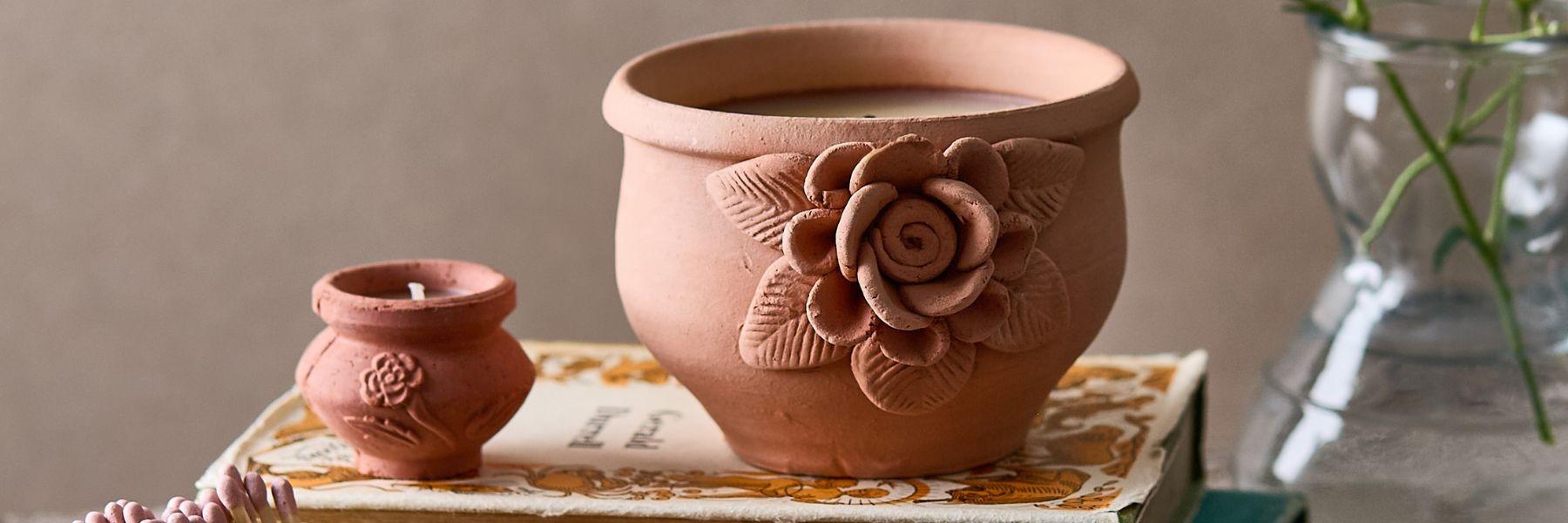
Dalit Goods explains that one symbol of this discrimination was the clay drinking pot. Dalits were often forced to use separate pots for drinking water and then smash them after use as a sign of supposed “untouchability.” This painful symbol later inspired the foundation of Dalit Goods Co.
Historical discrimination also affected land ownership, education, and economic mobility. Discussions within online communities continue to highlight issues such as landlessness and social inequality among Dalit communities.
The idea for Dalit Goods Co. began during a visit to India by Life Association director Simon Hawthorne. While travelling through slum areas in Mumbai, he noticed broken clay drinking pots scattered across the ground. He later learned these pots symbolised the discrimination faced by Dalits for generations.
Inspired by this experience, Dalit Goods was launched in 2010 with the aim of:
-
Raising awareness about the Dalit community
-
Creating dignified employment opportunities
-
Supporting ethical and environmentally friendly products
-
Funding charitable projects through Life Association
Today, the organisation works with artisan communities across India, producing handmade candles, soaps, home décor, and gifts while supporting social causes.
One of the most powerful ways businesses can create social change is through ethical employment. Dalit Goods focuses on providing opportunities for artisans and disadvantaged communities through handcrafted products.
Their collections include:
-
Handmade candles
-
Coconut oil soaps
-
Hand-painted candle holders
-
Tiffin lunch boxes
-
Sustainable home décor products
These products are designed to be ethically sourced, eco-friendly, and plastic-free. Every purchase helps support educational and community programmes run by Life Association.
This approach allows consumers to support meaningful causes while purchasing quality handmade goods.
Interestingly, candles became one of the first products associated with Dalit Goods. Handmade terracotta candles crafted by Dalit artisans in Mumbai represented not only creativity and craftsmanship but also empowerment and sustainable livelihoods.
Over time, these candles became symbols of hope and dignity. Many supporters appreciate that their purchases contribute directly to artisan communities and educational projects for Dalit children.
Online community posts discussing Dalit Goods frequently mention the importance of supporting handmade candles and ethical products created by disadvantaged communities.
Despite progress in education, law, and awareness, caste-based discrimination still affects many people in India today. News reports continue to document incidents of violence, labour exploitation, and social exclusion involving Dalit individuals.
These challenges highlight why awareness and social support remain important. Access to education, employment, healthcare, and equal opportunities continues to be essential for long-term change.
At the same time, there are also inspiring stories of Dalit individuals overcoming barriers and achieving remarkable success. Businesswoman Kalpana Saroj, for example, rose from poverty and discrimination to become a respected entrepreneur and Padma Shri award recipient.
Stories like hers demonstrate the resilience and strength within Dalit communities.
Consumers today are increasingly interested in products that are ethical, sustainable, and socially responsible. Supporting businesses that create fair employment opportunities can help empower marginalised communities and encourage positive change.
When people purchase ethically made handmade products, they are often contributing to:
-
Fair wages
-
Sustainable livelihoods
-
Artisan empowerment
-
Community development
-
Educational support programmes
This shift toward conscious consumerism has helped ethical brands gain popularity across the world.
One of the most important steps toward reducing discrimination is education and awareness. Many people outside India may not fully understand the history and experiences of the Dalit community.
Organisations like Dalit Goods and Life Association work to educate consumers about caste discrimination while promoting dignity and equality through ethical business practices.
Education also plays a vital role within communities themselves. Schools, vocational training, and child development programmes provide opportunities for future generations to build more secure and independent lives.
The word “Dalit” means “oppressed” or “downtrodden” and refers to communities historically discriminated against under India’s caste system.
According to Dalit Goods, there are around 250 million Dalit people affected by caste-based discrimination.
Dalits were historically excluded from society and considered socially impure under the caste system, leading to severe discrimination and segregation.
Although illegal, caste-based discrimination and violence still occur in some parts of India today.
Dalit Goods Co. is a UK-based ethical brand supporting Dalit communities through handmade products, fair employment, and charitable initiatives.
The company supports artisan employment, ethical trade, education projects, and awareness campaigns connected to the Dalit community.
Their collections include handmade candles, soaps, candle holders, home décor items, and tiffin lunch boxes.
Handmade products often support artisan livelihoods, fair wages, and sustainable production while preserving traditional craftsmanship.
The organisation was inspired by the symbolic clay pots used in caste discrimination, which founder Simon Hawthorne witnessed during a trip to India.
Consumers can support ethical brands by purchasing fair-trade products, promoting awareness, and choosing businesses committed to sustainability and social responsibility.
The story of the Dalit people is both painful and inspiring. It reflects centuries of discrimination but also extraordinary resilience, creativity, and determination. While social progress has been made, awareness and support remain essential for creating a more equal future.
Through ethical trade and artisan empowerment, organisations like Dalit Goods Co. are helping create opportunities for Dalit communities while educating consumers about social justice and sustainability.

 English
 Arabic
 French
 Spanish
 Portuguese
 Deutsch
 Turkish
 Dutch
Dutch
 Italiano
 Russian
 Romaian
 Portuguese (Brazil)