


Guide to Court Marriage in Delhi: Essential Steps to Follow
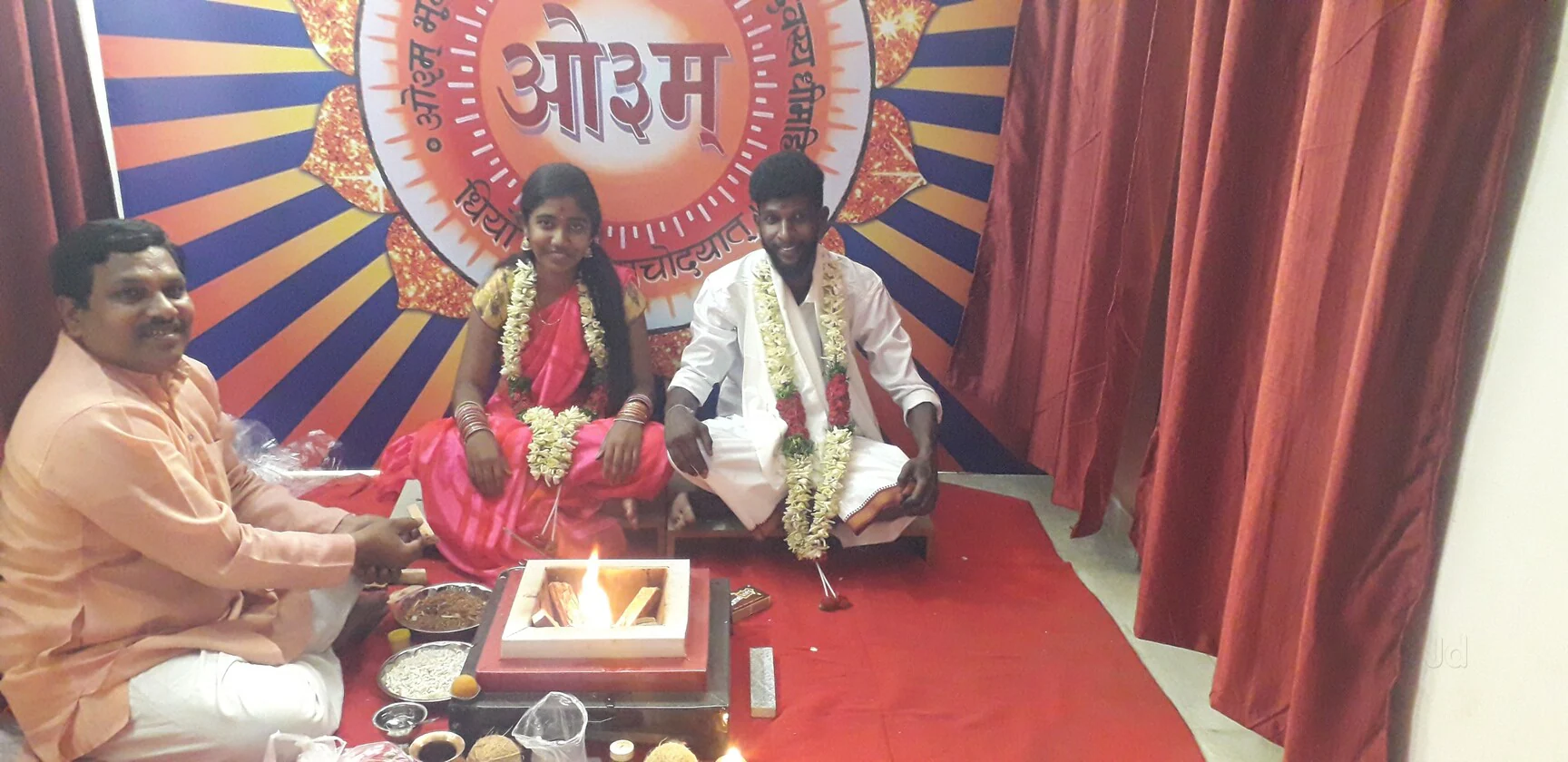
Guide to Court Marriage in Delhi: Essential Steps to Follow
Court marriage in Delhi is a legal marriage process conducted under the Special Marriage Act, allowing two adults to marry legally regardless of caste, religion, or community.
Many couples choose court marriage because it provides official legal recognition without requiring traditional wedding ceremonies. It is especially common among:
- inter-caste couples,
- inter-religion couples,
- love marriage couples,
- and individuals seeking a simple legal process.
But many people misunderstand how court marriage actually works.
Some think it can be completed instantly in one day under all situations. That is not always true. The legal process under the Special Marriage Act involves documentation, notice procedures, verification, and registration formalities.
The process itself is not extremely complicated, but mistakes in documents, witness arrangements, or legal understanding can create delays.
This guide explains the essential court marriage steps in Delhi in simple language so beginners understand what really matters.
What Is Court Marriage in Delhi?
Court marriage is a legally recognized marriage performed before a marriage officer according to Indian law.
Unlike traditional religious marriages, court marriage focuses on:
- legal consent,
- age verification,
- identity verification,
- and official registration.
The marriage certificate issued after court marriage becomes valid legal proof for:
- passports,
- visas,
- bank records,
- insurance,
- and other official purposes.
Court marriage is governed mainly under:
- the Special Marriage Act, 1954.
This law allows marriage between adults from different religions or castes without mandatory religious conversion.
Who Is Eligible for Court Marriage in Delhi?
The legal eligibility conditions are straightforward.
Age Requirement
- Groom must be at least 21 years old.
- Bride must be at least 18 years old.
Anything below this is illegal under Indian law.
Mental Consent
Both individuals must marry willingly without pressure or force.
Marital Status
Both individuals should be legally unmarried.
If previously married:
- divorce decree or
- spouse death certificate
may be required.
What Documents Are Required for Court Marriage?
Documentation is one of the most important parts of the process.
Commonly required documents include:
Identity Proof
Examples:
- Aadhaar Card
- Passport
- Voter ID
- Driving License
Address Proof
Examples:
- Aadhaar
- Rent agreement
- Utility bill
- Passport
Age Proof
Examples:
- Birth certificate
- 10th marksheet
- Passport
Passport Size Photographs
Recent photographs are usually required.
Witness Documents
Witnesses must carry:
- ID proof
- address proof
- photographs
Witnesses are mandatory during registration.
How Does the Court Marriage Process Work in Delhi?
The process generally follows several legal steps.
Step 1: Filing the Marriage Notice
The couple submits:
- application form,
- identity documents,
- photographs,
- and address proof
to the marriage registrar office.
This is officially called the “Notice of Intended Marriage.”
Step 2: Publication of Notice
After submission, the registrar publishes a public notice.
This is a legal requirement under the Special Marriage Act.
The purpose is to allow objections if:
- either party is already married,
- underage,
- or legally ineligible.
Step 3: Wait for the 30-Day Notice Period
This is the part many people do not know.
Under normal Special Marriage Act procedure, there is a mandatory 30-day waiting period after notice publication.
During this period:
- objections can technically be raised.
If no valid objections are received, the process moves forward.
Step 4: Verification and Witness Appearance
After the notice period:
- both individuals,
- along with witnesses,
appear before the marriage officer.
Documents are verified again.
The marriage declaration is signed officially.
Step 5: Marriage Certificate Issuance
Once formalities are completed, the marriage certificate is issued.
This certificate acts as:
- official legal proof of marriage.
How Many Witnesses Are Required?
Usually, three witnesses are required.
Witnesses should:
- be adults,
- carry valid ID proof,
- and remain physically present during registration.
Friends, relatives, or known individuals can generally act as witnesses.
Can Inter-Religion Couples Do Court Marriage in Delhi?
Yes.
This is one of the biggest advantages of court marriage under the Special Marriage Act.
Adults from different religions can legally marry without mandatory religious conversion.
This law exists specifically to provide a secular legal marriage framework.
Is Family Consent Required for Court Marriage?
Legally, no — if both individuals are adults.
This creates confusion for many couples because social pressure often gets mixed with legal rights.
Under Indian law:
- consenting adults have the right to marry legally.
However, family disputes may still create emotional or practical challenges outside the legal process.
How Long Does Court Marriage Take in Delhi?
The standard process usually takes:
- around 30–45 days
because of the legal notice period.
Anyone promising “instant legal court marriage” under the Special Marriage Act without explaining procedures should be questioned carefully.
There are many misleading claims online.
Is Arya Samaj Marriage the Same as Court Marriage?
No.
This is a very common misunderstanding.
Court Marriage
- Legal civil marriage directly under government law.
Arya Samaj Marriage
- Religious ceremony mainly for Hindu, Sikh, Jain, and Buddhist couples.
Many couples perform Arya Samaj marriage first and then complete legal registration separately.
The processes are related but not identical.
What Are Common Mistakes Couples Make?
Several mistakes repeatedly create delays or confusion.
Incomplete Documentation
Missing documents are one of the biggest reasons for delays.
Incorrect Birth Time or Age Proof Issues
Age verification is strict.
Witness Problems
Witnesses arriving without proper ID proof can delay registration.
Believing Fake “One-Day Court Marriage” Claims
Many agents use misleading advertising.
Always verify legal procedures properly.
Ignoring Registration Importance
Some couples complete ceremonies but delay legal registration unnecessarily.
That creates future complications.
Why Is Court Marriage Becoming More Popular?
Court marriage is growing because many couples now prefer:
- legal simplicity,
- lower costs,
- privacy,
- and official registration.
It is especially useful for:
- inter-caste marriages,
- inter-religion marriages,
- and couples avoiding large traditional ceremonies.
Urban cities like Delhi naturally see higher demand because of social diversity and independent decision-making.
What Should Couples Prepare Beyond Legal Formalities?
This is the part most people ignore.
Many couples focus heavily on completing legal marriage quickly but fail to discuss:
- finances,
- future responsibilities,
- emotional compatibility,
- career planning,
- and family expectations.
Marriage registration is legally important.
But maintaining a healthy relationship afterward requires much more than paperwork.
Long-term relationship success depends more on:
- communication,
- trust,
- emotional maturity,
- and responsibility
than the marriage process itself.
Final Thoughts
Court marriage in Delhi is a legal and structured process under the Special Marriage Act that allows consenting adults to marry officially regardless of caste or religion.
The essential process includes:
- notice filing,
- document verification,
- waiting period,
- witness appearance,
- and marriage certificate issuance.
The most important things are:
- proper documentation,
- legal awareness,
- and choosing genuine guidance instead of misleading shortcuts.
When handled properly, court marriage is usually straightforward.
And honestly, understanding the legal process carefully can save couples far more stress than rushing blindly into incomplete or incorrect procedures.

 English
 Arabic
 French
 Spanish
 Portuguese
 Deutsch
 Turkish
 Dutch
Dutch
 Italiano
 Russian
 Romaian
 Greek
Greek