


Beyond Hyaluronic Acid: Essential Ingredients to Look for in Your Next Hydrating Serum for Dry Skin
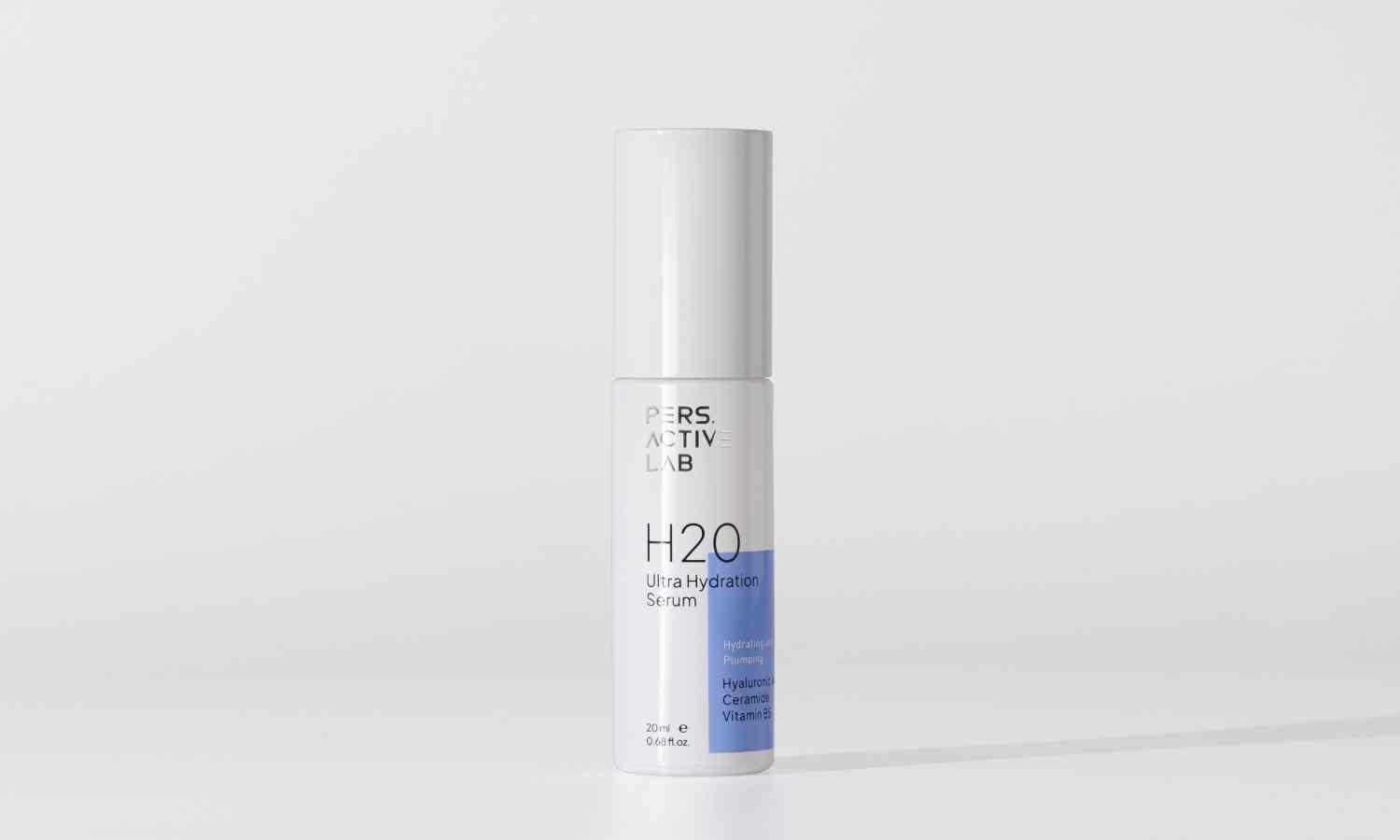
Dry skin needs more than basic moisture. When the skin barrier becomes weak, hydration escapes quickly, leaving the surface tight, rough, and easily irritated. While hyaluronic acid remains a reliable hydrator, modern formulations deliver deeper nourishment by combining multiple actives not just water-binding molecules. Many people now pair a hyaluronic acid serum for dry skin with barrier-strengthening ingredients to maintain comfort throughout the day.
A well-formulated serum targets hydration from different angles: attracting moisture, sealing it in, supporting repair, and preventing irritation. When you understand which ingredients deliver these benefits, choosing the right product becomes far easier.
1. Ceramides: The Foundation of a Strong Barrier
Ceramides occur naturally in the skin, making them one of the most dependable ingredients for dryness. They form the structure that keeps moisture locked in and irritants out. When levels dropdue to age, weather changes, or over-cleansing—the skin feels rough and fragile.
Adding ceramides through a serum restores this protective layer. They reinforce the lipid matrix and help reduce sensitivity, flaking, and that uncomfortable tight feeling. When paired with humectants, ceramides hold hydration in place far longer.
2. Squalane: Lightweight Yet Deeply Nourishing
Squalane offers oil-based moisture without heaviness. Since dry skin typically lacks its own natural oils, squalane helps replenish what’s missing. It mimics the skin’s natural lipids, which makes it absorb quickly and support softness without clogging pores.
This ingredient works particularly well under makeup because it smooths texture and reduces dry patches. When used alongside hydrating humectants, squalane helps maintain a balanced, flexible skin surface.
3. Beta-Glucan: A Superior Moisture Binder
Often compared to hyaluronic acid, beta-glucan provides even stronger water-binding ability. It calms redness, reduces irritation, and supports the skin’s recovery processes. Its ability to penetrate more deeply allows it to deliver lasting moisture, making it ideal for anyone with chronic dryness or sensitivity.
4. Panthenol (Vitamin B5): Soothing and Moisture Balancing
Panthenol helps hold hydration at the surface while strengthening the skin barrier. It works especially well when dryness is paired with irritation from environmental exposure. This ingredient helps reduce tightness and supports smoother, more comfortable skin.
5. Niacinamide: Improves Moisture Retention and Texture
Niacinamide has become a key ingredient in hydrating serums because it enhances how the skin retains hydration. It minimizes water loss, supports the barrier, and improves overall texture. For dry skin that also experiences dullness or uneven tone, niacinamide provides added clarity without causing irritation.
6. Polyglutamic Acid: A High-Performance Humectant
Polyglutamic acid has gained attention for its impressive ability to attract and hold moisture. It forms a breathable film on the surface, keeping hydration from evaporating too quickly. When layered with hyaluronic acid, it delivers a noticeably plumper appearance.
7. Aloe Vera and Centella Asiatica: Plant-Based Hydration and Repair
Plant extracts like aloe and cica (Centella Asiatica) bring additional soothing benefits. They hydrate lightly, calm redness, and support the skin’s natural repair cycle. These are especially helpful for dry skin that reacts easily to cold weather or harsh ingredients.
How to Choose the Right Formula
Dry skin benefits most from formulas that combine humectants with lipids. The goal is to pull moisture in and keep it there. When reviewing product labels, look for combinations like:
- Hyaluronic acid + ceramides
- Beta-glucan + squalane
- Panthenol + niacinamide
A balanced formula helps maintain softness throughout the day and prevents the cycle of dryness from returning.
Why Layering Matters
A hydrating serum works best when paired with a moisturizer. The serum delivers concentrated hydration, while the moisturizer locks it in with oils, butters, or occlusive ingredients. This layering creates long-lasting comfort and prevents irritation.
The Role of Personalized Skin Solutions
Today’s skincare market leans toward personalized skin care products designed around individual concerns, sensitivities, and environmental conditions. These customized solutions allow people with dry skin to choose ingredients that target their exact hydration needs, whether they require stronger barrier support, deeper hydration, or added soothing ingredients. Personalized routines help prevent trial-and-error fatigue and ensure each product works effectively with the skin’s natural functions.
FAQs
1. “My skin feels dry even after using hyaluronic acid. What am I doing wrong?”
Reddit users frequently mention skipping moisturizer after their hydrating serum. Hyaluronic acid needs to be sealed in; otherwise, it can evaporate and take moisture with it. Always follow your serum with a barrier-focused moisturizer.
2. “Can dry skin use multiple hydrating ingredients at once?”
Yes. Quora discussions highlight that dry skin often responds best to layered hydration humectants first, then emollients, then occlusives. This prevents moisture loss more effectively than a single active.
3. “Is niacinamide safe for dry, sensitive skin?”
According to skincare threads on both platforms, niacinamide is generally well tolerated and supports barrier repair. Most people find it reduces redness and improves softness without irritation.
4. “How long does it take to see improvement with a new hydrating serum?”
Most users report noticeable softness within a week and stronger barrier function in 3–4 weeks, depending on ingredients and consistency of use.
5. “Should I switch serums during winter?”
Many Reddit users mention that dry skin becomes more reactive in colder months. Using a richer serum with ceramides, squalane, or panthenol during winter helps maintain comfort and prevent flaking.

 English
 Arabic
 French
 Spanish
 Portuguese
 Deutsch
 Turkish
 Dutch
Dutch
 Russian
 Romaian
 Portuguese (Brazil)
 Greek
Greek