


Improving Air Circulation with RV Vent and Roof Systems
Traveling in an RV offers comfort, flexibility, and the freedom to explore different destinations. However, maintaining proper airflow inside the camper is essential for a comfortable journey. This is where the RV Vent and Roof system plays an important role. A well-designed roof ventilation setup helps remove heat, moisture, cooking odors, and stale air while improving indoor comfort during every trip.
Modern RV owners understand the value of proper air circulation because poor airflow can lead to humidity buildup, unpleasant smells, and even mold growth. By using quality roof vents, fans, vent covers, and sealants, RV travelers can create a healthier and more enjoyable living space.
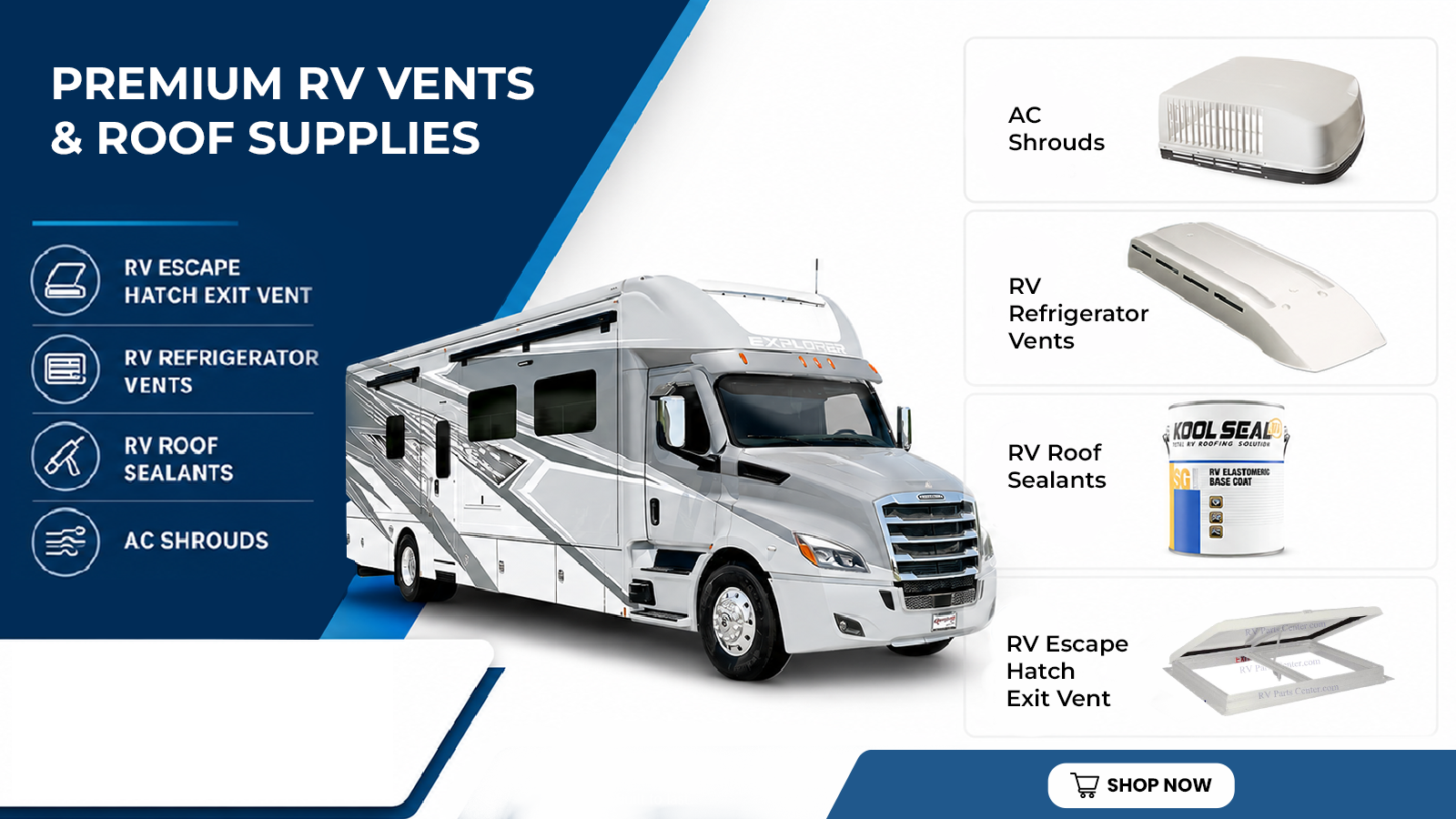
Understanding the Importance of RV Vent and Roof Systems
The RV Vent and Roof system is designed to improve ventilation throughout the camper. Roof vents allow fresh air to enter while pushing warm or humid air outside. This process keeps the interior environment cooler and cleaner.
Without proper ventilation, RV interiors can quickly become uncomfortable, especially during summer travel. Cooking, showering, and sleeping all create moisture inside the vehicle. Over time, trapped humidity may damage walls, ceilings, and furniture.
Benefits of Proper RV Ventilation
A reliable ventilation system offers several benefits, including:
-
Better airflow inside the camper
-
Reduced indoor heat buildup
-
Prevention of mold and mildew
-
Removal of cooking and bathroom odors
-
Improved sleeping comfort
-
Lower moisture levels inside the RV
A quality RV Vent and Roof setup also helps protect your RV investment by reducing roof-related moisture damage.
How RV Roof Vents Improve Air Circulation
Roof vents are one of the most important components in an RV ventilation system. These vents create airflow by allowing hot air to escape through the roof while cooler air enters through windows or lower openings.
Types of RV Roof Vents
Different RVs use different roof vent systems depending on size and design.
Manual Roof Vents
Manual roof vents open and close using a hand crank. They are simple, affordable, and commonly found in many campers.
Powered Roof Vents
Powered vents use electric fans to improve airflow. These systems move air faster and provide better cooling performance.
Bathroom Roof Vents
Bathroom vents remove moisture and odors created during showers, helping maintain dry conditions inside the RV.
The Role of RV Fantastic Fan Systems
An RV fantastic fan is one of the best upgrades for improving air circulation. These high-powered roof fans quickly move stale air outside while drawing fresh air into the RV.
Unlike standard roof vents, fantastic fans provide active ventilation rather than passive airflow. This makes them highly effective in hot climates or crowded camping areas.
Advantages of RV Fantastic Fan Systems
Installing an RV fantastic fan provides several advantages:
-
Faster removal of hot air
-
Better airflow during cooking
-
Reduced dependence on air conditioning
-
Improved airflow during sleep
-
Quieter operation compared to some AC systems
Best Locations for Fantastic Fans
Kitchen Area
Installing a fan near the kitchen helps remove cooking smoke, steam, and odors.
Bathroom Area
Bathroom fans quickly remove humidity after showers.
Main Living Space
A centrally placed fantastic fan improves overall airflow throughout the camper.
Importance of RV Vent Covers
An RV vent cover is a protective shield placed over roof vents. These covers allow airflow while protecting the vent opening from rain, debris, and harsh weather.
Vent covers are extremely useful for RV owners who travel in different climates.
Benefits of RV Vent Covers
Using an RV vent cover provides several important advantages:
-
Allows ventilation during rain
-
Prevents leaves and dirt from entering vents
-
Reduces UV damage to vent lids
-
Extends the life of roof vents
-
Improves airflow efficiency
Choosing the Right RV Vent Cover
When selecting a vent cover, RV owners should consider:
Material Quality
Choose durable materials that resist sunlight and weather damage.
Airflow Design
A good vent cover should maximize airflow while protecting the vent opening.
Easy Installation
Some vent covers can be installed without drilling, making maintenance easier.
Why RV Roof Sealant Matters
Ventilation systems require proper sealing to prevent leaks and roof damage. An effective RV roof sealant helps secure roof vents and protects against water intrusion.
Over time, roof seams and vent edges may crack due to sun exposure and changing temperatures. Regular inspection and resealing are essential for maintaining roof integrity.
Signs Your Roof Sealant Needs Replacement
Watch for these common warning signs:
-
Cracked or peeling sealant
-
Water stains inside the RV
-
Soft spots near roof vents
-
Visible roof gaps
-
Moisture buildup around vent openings
Tips for Applying RV Roof Sealant
Clean the Surface First
Remove dirt, old sealant, and debris before applying new material.
Use RV-Specific Sealant
Always choose a sealant designed specifically for RV roofing materials.
Inspect the Roof Regularly
Routine inspections help prevent expensive roof repairs later.
How RV Escape Hatch Systems Support Ventilation
An RV escape hatch is primarily designed for emergency exits, but it can also improve ventilation when opened safely. Many RV escape hatches include built-in screens and vent openings.
These hatches are commonly located in bedrooms or main living spaces.
Benefits of RV Escape Hatch Ventilation
An RV escape hatch can help:
-
Increase natural airflow
-
Remove trapped warm air
-
Improve emergency safety
-
Provide additional daylight inside the RV
Maintaining RV Escape Hatches
Proper maintenance helps ensure both safety and ventilation performance.
Check Seals Frequently
Inspect seals around the hatch to prevent leaks.
Clean Hinges and Screens
Regular cleaning improves operation and airflow.
Test Opening Mechanisms
Ensure the escape hatch opens smoothly in case of emergencies.
Seasonal RV Vent and Roof Maintenance Tips
Routine maintenance is essential for keeping the RV Vent and Roof system functioning properly throughout the year.
Summer Maintenance
During hot weather:
-
Clean roof vents regularly
-
Inspect fan motors
-
Check vent covers for cracks
-
Improve airflow with additional fans
Winter Maintenance
Cold weather preparation should include:
-
Inspecting roof sealants
-
Closing damaged vents
-
Removing snow buildup from the roof
-
Checking escape hatch seals
Rainy Season Preparation
Before traveling in wet conditions:
-
Test all roof seals
-
Confirm vent covers are secure
-
Inspect for moisture damage
Upgrading Your RV Vent and Roof System
Many older RVs use outdated ventilation systems that may not provide enough airflow. Upgrading roof vents and fans can significantly improve comfort.
Popular Upgrade Options
RV owners often upgrade with:
-
High-powered roof fans
-
Modern vent covers
-
Remote-controlled roof vents
-
Temperature-sensitive ventilation systems
-
Improved roof sealants
These upgrades help create a more comfortable RV environment during long trips.
Finding RV Ventilation Parts at RV Parts Center
Many RV owners search for dependable replacement parts and ventilation accessories online. RV Parts Center offers a wide range of RV roof and vent products designed for different camper models.
Popular items include:
-
Roof vent assemblies
-
Vent covers
-
Fantastic fans
-
Roof sealants
-
Escape hatch components
-
Replacement vent lids
Choosing the right components helps improve airflow and maintain long-term RV comfort.
Conclusion
A properly maintained RV Vent and Roof system is essential for improving air circulation, reducing humidity, and creating a more comfortable travel experience. Roof vents, fantastic fans, vent covers, roof sealants, and escape hatches all work together to improve airflow while protecting the RV from moisture damage.
Regular maintenance and timely upgrades help extend the life of your RV roof system and improve overall indoor comfort. Whether you are planning short weekend trips or long-distance adventures, investing in quality ventilation components can make every journey more enjoyable and relaxing.
FAQs
What does an RV Vent and Roof system do?
An RV Vent and Roof system improves airflow by removing hot air, humidity, and odors while allowing fresh air into the RV.
How often should I inspect my RV roof vents?
Roof vents should be inspected every few months and before long trips to check for leaks, cracks, or damaged sealant.
Why is an RV fantastic fan useful?
An RV fantastic fan improves airflow quickly and helps reduce heat buildup inside the RV.
Can an RV vent cover stay open during rain?
Yes, many RV vent cover designs allow safe ventilation even during rainy weather.
When should I replace RV roof sealant?
Replace RV roof sealant if you notice cracking, peeling, water leaks, or roof gaps around vents.
Does an RV escape hatch help with ventilation?
Yes, an RV escape hatch can improve natural airflow when opened safely and properly maintained.

 English
 Arabic
 French
 Spanish
 Deutsch
 Turkish
 Dutch
Dutch
 Italiano
 Russian
 Romaian
 Portuguese (Brazil)
 Greek
Greek