


Southwest Florida Shark Fishing: Why the Fort Myers Coast Punches Above Its Weight
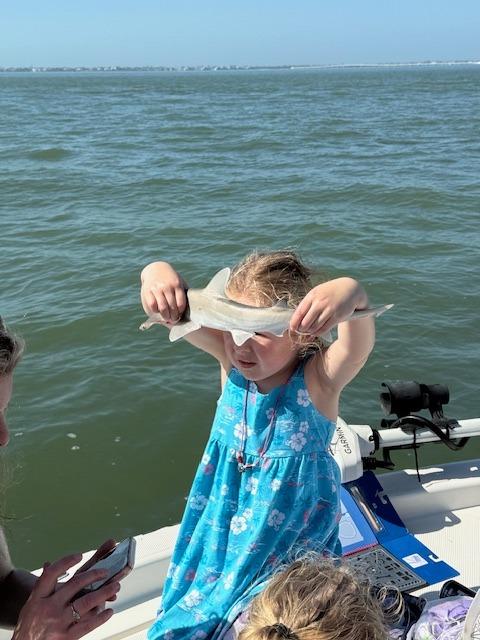
The Gulf of Mexico off Southwest Florida holds more large sharks in accessible nearshore water than almost any other stretch of coastline in the continental United States. This is not a fishing marketing claim — it's an ecological reality rooted in the specific combination of habitat, water chemistry, prey availability, and the particular physiology of bull sharks that allows them to thrive in the estuarine and nearshore environment that Fort Myers' geography creates.
Most anglers visiting Florida think of shark fishing as an offshore activity — something that requires a multi-hour run to deep water to encounter fish of any significant size. Fort Myers changes that expectation completely. Large, trophy-quality sharks are accessible from nearshore water within a short run of any Fort Myers marina, making shark fishing one of the most dramatically productive and logistically accessible specialty experiences in the Southwest Florida charter fishing menu.
Here's why this coast is exceptional for sharks, and what you need to know to make the most of the opportunity.
The Ecological Basis for Fort Myers' Exceptional Shark Fishing
The Fort Myers shark fishery's exceptional quality is rooted in the same ecological factors that make the rest of the Southwest Florida fishery productive: the Caloosahatchee River outflow, the extensive grass flat and estuary system, and the biological productivity of the Gulf of Mexico nearshore zone at this latitude.
Bull sharks specifically are adapted to tolerate the broad salinity range that the Fort Myers system provides — from nearly freshwater in the upper Caloosahatchee to full oceanic saltwater at the passes and nearshore Gulf. This adaptation allows bull sharks to use the entire habitat continuum, moving between the river system for feeding and breeding, the estuary for seasonal prey concentration, and the nearshore Gulf for open-water hunting.
The prey base is another key factor. The extraordinarily productive grass flats of Pine Island Sound support enormous populations of mullet, ladyfish, jack crevalle, and other large baitfish that sustain large predators. The same seasonal bait movements that drive tarpon and snook concentrations in the passes also drive bull shark concentrations — the sharks follow the bait along the same routes and through the same passes.
The water temperature range in Southwest Florida — maintaining above 60°F year-round with summer temperatures reaching the mid-to-upper 80s — provides the thermal environment that bull sharks and blacktip sharks prefer for year-round residence rather than seasonal migration. Other shark species that are only seasonal visitors in the Carolinas or the Chesapeake Bay become year-round residents in Fort Myers.
Targeting Bull Sharks: The Flagship Fort Myers Shark Experience
If you're planning a shark fishing charters in Fort Myers experience with a specific species target, bull sharks are the flagship experience that defines what makes this fishery exceptional.
The preparation for a targeted bull shark trip starts with heavy tackle. The standard approach uses 80-pound conventional or heavy spinning gear with 300-plus yards of line — bull sharks can make runs that strip several hundred yards from a reel that doesn't have adequate reserve line. Leaders are either heavy monofilament (200–400 pound test) or wire, depending on the technique and the preferred approach of the captain.
Baiting for bull sharks uses fresh, high-oil-content bait that generates strong scent trails — whole ladyfish, fresh-cut bonito, and large mullet are standard. The bait is typically presented on the bottom near structure: nearshore reefs, the edges of shell bottom transitions, or the deeper water at pass mouths where bull sharks patrol regularly.
The fight with a large bull shark is one of the most physically demanding experiences in nearshore saltwater fishing. Unlike pelagic species that make spectacular aerial displays or single long runs, bull sharks fight with sustained power and a bottom-hugging tendency — they dive repeatedly toward structure and make multiple runs throughout the fight rather than tiring quickly. A 200-pound bull shark can realistically take 45 minutes to an hour to land on appropriate gear.
The experience of seeing a large bull shark at boatside — the breadth of the body, the distinctive rounded nose, the size of the fins — is an encounter that contextualizes the animal's power in a way that fighting it on the line doesn't fully communicate.
Spring Hammerhead Season: When Fort Myers Gets Spectacular
If bull sharks are the year-round anchor of the Fort Myers shark fishery, spring hammerhead season is its most dramatic seasonal event. From late February through May, great hammerheads move through Southwest Florida's nearshore waters on their northward spring migration, creating sight-fishing opportunities that are genuinely extraordinary.
The sight-fishing dimension of spring hammerhead encounters is what makes them stand apart from other shark fishing experiences. On calm days with good water visibility — which spring typically provides in southwest Florida — great hammerheads can be spotted from the bow of a boat at 50–100 feet, cruising just below the surface in clear water. The silhouette of a large hammerhead — the broad, distinctive head, the tall dorsal fin, the powerful sweep of the tail — is unmistakable from above and creates a rush of recognition and adrenaline that experienced anglers describe as uniquely compelling.
Presenting a live bait to a spotted hammerhead — adjusting the boat's position to intercept the shark's path, casting the bait ahead of the fish, watching the shark turn and commit — is sight-fishing for a large predator in a way that parallels tarpon fishing in its technical requirements and its emotional intensity. The subsequent fight with a large hammerhead adds the physical dimension that completes the experience.

The overlap between spring hammerhead season and the early part of tarpon fishing in the same productive waters creates a late April through May window where both targets are accessible in the same general area — a remarkable convergence of large-species opportunity that no other location on Florida's Gulf Coast can fully match.
Blacktip Season: Light Tackle Excitement Near Shore
The spring blacktip shark season in Fort Myers offers a different dimension of the shark fishing experience — faster, lighter, more visual, and more accessible for anglers without specific heavy-tackle experience.
Blacktip sharks travel in loose schools, feeding actively near the surface during spring as water warms. Their surface feeding behavior — the visible commotion of a feeding school, the flashes of fins and tails at the surface, the birds diving on the same baitfish — can often be spotted from a moving boat at significant distance. Approaching a feeding school quietly and presenting a lure or live bait into the melee produces strikes with remarkable consistency.
The visual excitement of blacktip fishing on light spinning gear is hard to overstate. When a blacktip hits and begins its characteristic spinning jump — the rapid axial rotation that distinguishes them from other nearshore sharks — the reaction from anyone who hasn't seen it before is genuine surprise. Multiple jumps, at heights of five to eight feet, from a 60-pound fish on 20-pound spinning gear is one of the most action-packed 10 minutes available in Fort Myers nearshore fishing.
For Fort Myers fishing charters that include shark fishing as a component — either as a primary target or as a supplement to other inshore fishing — the spring blacktip season provides an entry point that's physically accessible to a broader range of anglers than the heavy bull shark approach while still delivering genuinely exciting shark fishing.
The Captiva and Barrier Island Shark Fishing Advantage
The barrier islands of Captiva and Sanibel add a specific dimension to the Fort Myers shark fishing picture that's worth understanding for trip planning purposes.
The Gulf-facing side of the barrier islands, combined with the deep-water access at the passes (particularly Captiva Pass), creates a shark fishing environment with visual and physical qualities that differ from the mainland nearshore zone. The clearer water on the Gulf side of the islands enables the sight-fishing approach to both hammerheads and blacktips that is less reliably possible in the sometimes-murky nearshore zone closer to the river outflow.
Captiva Island shark fishing charter options specifically benefit from the island's direct Gulf access — shorter runs to clear nearshore water, better sight-fishing conditions for spring species, and the specific deep-water habitat at Captiva Pass that holds bull sharks during the summer months. The combination of the barrier island environment, the pass deep water, and the Gulf-side clarity makes the Captiva area one of the preferred shark fishing bases in the broader Southwest Florida system.
For current information about which species are active and where they're producing near Fort Myers and the barrier islands, the weekly Southwest Florida fishing report provides the most current species-specific activity data from guides actively on the water.
Conservation Practices That Keep Fort Myers Shark Fishing Exceptional
The ongoing quality of Fort Myers' shark fishery — the fact that large bull sharks, hammerheads, and blacktips are reliably present in accessible nearshore water year after year — is not an accident. It's the result of conservation practices, regulatory management, and a fishing culture that has increasingly embraced catch-and-release as the foundation of sustainable sport fishing rather than simply a courtesy.
Capture-and-release protocols for large sharks have improved dramatically over the past decade as both scientific understanding and angler awareness of shark physiology have grown. Large sharks, particularly hammerheads, are physiologically sensitive to the stress of capture — prolonged fights, extended time out of water, and handling that restricts gill movement all increase post-release mortality. Modern best practices for large shark release involve fighting fish efficiently (not prolonging the fight unnecessarily), keeping the fish in the water throughout hook removal and any photography, and using circle hooks that reduce deep-hooking and gill damage.
The prohibition on keeping most large shark species in Florida waters — including great hammerheads, all species of thresher shark, and several others — reflects the regulatory recognition that these species' populations require protection from harvest pressure to maintain fishable densities. For serious shark anglers, these protections are broadly supported because they maintain the quality of the experience that makes the fishery worth fishing.
For guides who specifically specialize in shark fishing from Fort Myers, the conservation conversation is part of the pre-trip briefing. Understanding why specific handling practices matter for fish welfare — and practicing them correctly during the catch, the photo opportunity, and the release — is as much a part of the shark fishing experience as the tackle and the technique. The best shark fishing experiences in Fort Myers leave both the fish and the angler better for the encounter.
Frequently Asked Questions
Q: How big are the bull sharks typically caught near Fort Myers?
A: Most bull sharks caught in nearshore Fort Myers waters run 80–200 pounds. Fish over 200 pounds are encountered regularly during summer peak season. Exceptional catches exceeding 300 pounds have been reported from Fort Myers nearshore waters.
Q: What time of year is best for overall shark diversity near Fort Myers?
A: The spring period — March through May — offers the widest species diversity, with hammerheads, blacktips, spinners, and bull sharks all accessible. Summer offers the best bull shark action. Year-round availability is the norm for bull sharks and nurse sharks.
Q: Can I eat the sharks I catch near Fort Myers?
A: Some species are legal to keep within specific size and bag limits. Blacktip sharks are generally considered good table fare. Bull sharks are also edible. Several species are fully protected. Your guide manages regulatory compliance during the trip.
Q: Do I need prior shark fishing experience to enjoy a Fort Myers shark charter?
A: No. The physical experience of landing a large shark is demanding, but no prior shark-specific experience is required. The guide manages rigging, presentation, and tactical decisions. Your role is to hold the rod and follow instruction during the fight.
Q: Is Fort Myers shark fishing better than the Florida Keys for shark fishing?
A: They're different experiences. The Keys are known for lemon and bull sharks in shallow backcountry water and hammerheads on the reef. Fort Myers offers easier bull shark access in nearshore water and a better spring hammerhead sight-fishing experience. Both are exceptional.
Conclusion
Fort Myers shark fishing is one of those rare experiences where the reality genuinely exceeds the expectation. The combination of large, accessible bull sharks in nearshore water, the spring spectacle of sight-fishing for hammerheads on clear Gulf days, and the light-tackle excitement of the blacktip spring season creates a shark fishery that few visitors are fully prepared for the first time they encounter it. Plan around the season that matches your target species, work with a guide who specializes in shark fishing in this specific area, and come prepared for the physical demands and the visual drama of what these waters genuinely offer.

 English
 Arabic
 French
 Portuguese
 Deutsch
 Turkish
 Dutch
Dutch
 Italiano
 Russian
 Romaian
 Portuguese (Brazil)
 Greek
Greek