


How Can You Refinish Engineered Hardwood Floors Without Damage
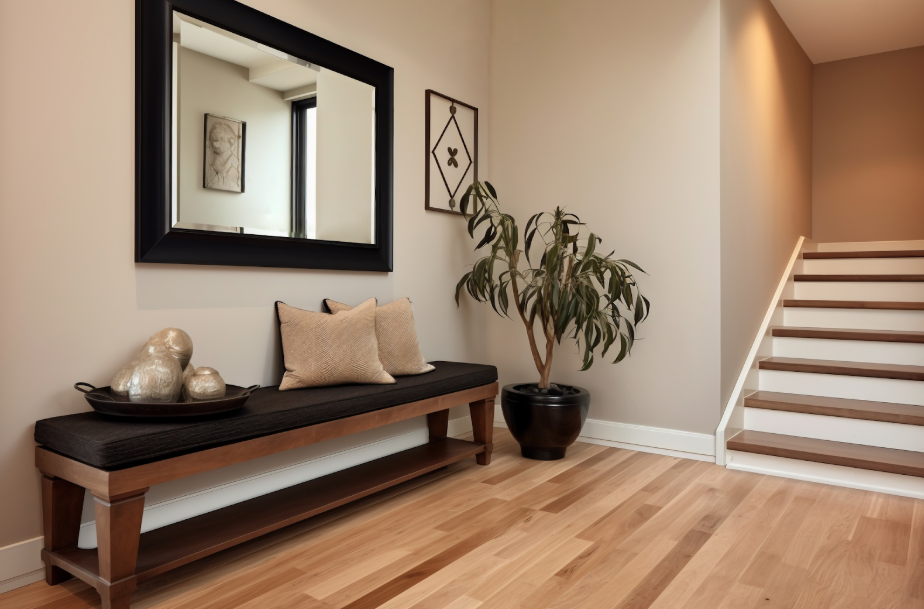
Your engineered hardwood floors add warmth, character, and significant value to your home. Over time, however, even the most durable flooring can show signs of wear, making you wonder, "Can you refinish engineered hardwood floors?" The answer is often yes, but with a crucial caveat: engineered hardwood is distinct from solid hardwood, and its refinishing process requires a more delicate approach to avoid damage. This guide will walk you through the essential steps and considerations for successful floor refinishing and hardwood floor restoration, ensuring your floors look their best for years to come.
Understanding Engineered Hardwood Construction
Before diving into the refinishing process, it's vital to grasp what engineered hardwood truly is. Unlike solid hardwood, which is a single piece of timber throughout, engineered hardwood consists of multiple layers. It typically features a high-quality wood veneer (the wear layer) on top, bonded to several layers of plywood or high-density fiberboard. This construction makes engineered wood highly stable and resistant to moisture and humidity changes, often more so than solid hardwood. This stability is a key advantage, as detailed in our article on how engineered hardwood flooring handles moisture and humidity better than solid hardwood.
The critical factor for refinishing is the thickness of that top veneer. A thicker wear layer means the floor can withstand more sanding and revitalization cycles. Thinner veneers, on the other hand, might only accommodate light screening or a chemical refinishing process.
Assessing Your Engineered Hardwood for Refinishing
The first and most important step is to assess if your engineered hardwood floors are even candidates for refinishing. Not all engineered floors are created equal. You need to determine the thickness of the top layer, as this dictates the possible refinishing methods. You can often find this information from the original manufacturer's specifications or by carefully inspecting a cross-section of a spare plank, or even a discreet area under a baseboard.
-
Wear Layer Thickness: A wear layer of 2mm or less usually restricts you to a screen and recoat method or chemical abrasion. A layer between 2mm and 3mm might allow for one light sanding. Floors with a wear layer of 3mm or more can typically be sanded more than once, similar to solid hardwood, though still with caution.
-
Current Condition: Evaluate the extent of damage. Are there deep gouges, significant water damage, or warping? While minor scratches and dullness are good candidates for refinishing, severe damage like structural warping usually means replacement is a more viable option. For insights on handling specific damage, see our guide on what to do when engineered floor warps after water damage.
If you're unsure about the thickness or condition, consulting with a flooring professional is always advisable. They can provide an expert opinion and recommend the best course of action for your specific flooring, ensuring you protect your investment and maintain the beauty of your floors.
Refinishing Techniques for Engineered Hardwood
There are several methods for floor refinishing, each suitable for different levels of wear and wear layer thickness.
1. Screen and Recoat (Light Refinishing)
This is the least invasive method and is ideal for floors with minor surface scratches, scuffs, and a dull finish, particularly those with thinner wear layers. It effectively revives the existing finish without removing much of the actual wood.
-
Process: The floor is lightly buffed or "screened" with a fine-grit abrasive pad (not sanded down to the bare wood). This abrades the existing topcoat, preparing it for a fresh application of polyurethane. The old finish is not fully removed.
-
Benefits: Quick, less messy, cost-effective, and extends the life of the finish. It does not alter the wood beneath, preserving the structural integrity.
2. Light Sanding and Refinishing
When floors have more prominent scratches or deeper dullness that a screen and recoat cannot address, a light sanding might be an option. This method carefully removes a very thin layer of the wood veneer along with the old finish.
-
Process: A professional will use a disc sander with a fine-grit sandpaper (e.g., 80-120 grit) to remove a minimal amount of the wear layer. Extreme care is taken to avoid sanding through to the core layers. After sanding, the floor is thoroughly cleaned, and new coats of finish are applied.
-
Considerations: This method should only be attempted if your engineered hardwood has a sufficiently thick wear layer (typically 2mm-3mm or more). It's crucial to consult with an expert before attempting this to prevent irreversible damage.
3. Chemical Abrasion (Buffing with a Chemical Solution)
This technique uses a chemical solution to lightly etch or soften the existing finish, allowing for better adhesion of a new topcoat without mechanical sanding.
-
Process: A chemical abrasive is applied and worked into the floor surface, effectively de-glossing and preparing it. No wood material is removed. The floor is then cleaned, and fresh layers of polyurethane are applied.
-
Benefits: A good option for floors with very thin wear layers that cannot tolerate any sanding. It's often quicker and less dusty than traditional sanding.
Step-by-Step Guidance for Damage-Free Refinishing
If you've determined your engineered hardwood is a candidate for refinishing and are considering a DIY approach (especially for screen and recoat), here’s how to proceed. For more intensive sanding, professional help is highly recommended.
Step 1: Preparation is Key
Remove all furniture, rugs, and decor from the room. Thoroughly clean the floors by sweeping, vacuuming, and then damp-mopping. Ensure no dust, debris, or residues remain. Any contaminants can compromise the new finish.
Step 2: Repair Any Existing Damage
Address minor repairs before refinishing. Fill small scratches or dents with wood putty that matches your floor's color. Allow it to dry completely and lightly sand smoothly. For tougher stains, learn the best way to remove water stains from engineered wood floor.
Step 3: Test a Small Area
Always test your chosen refinishing method (especially if it involves sanding or chemical abrasion) in an inconspicuous spot. This allows you to confirm the wear layer thickness and that the process won't damage the floor's appearance before tackling the entire room.
Step 4: Execute the Refinishing Method
If performing a screen and recoat:
-
Use a buffer with a screen pad (e.g., 220-grit screen) to lightly abrade the entire floor surface. This will create a fine, dull powder.
-
Thoroughly vacuum and wipe down the floor to remove all dust.
-
Apply a thin, even coat of your chosen finish (water-based polyurethane is popular for its low VOCs and quick drying time). Follow manufacturer instructions for application and drying.
-
Apply a second or third coat as needed, allowing adequate drying time between coats.
If opting for light sanding, it's best left to professionals. They possess the specialized equipment and expertise to measure wear layer depth precisely and sand minimally, preventing damage to the plywood core. They also know how to repair deep scratches in engineered European oak flooring effectively.
Step 5: Curing and Care
Allow the finish to cure completely before moving furniture back onto the floor, typically several days. Avoid heavy foot traffic and placing rugs for at least a week to ensure proper hardening. Remember to protect your flooring from scratches and dents by using furniture pads and avoiding dragging heavy items across the surface.
Important Considerations to Prevent Damage
Refinishing engineered wood floors successfully means prioritizing caution and understanding the material's limitations.
-
Know Your Wear Layer: This cannot be stressed enough. It is the single most critical factor in deciding if and how you can refinish your floors.
-
Avoid Over-Sanding: This is the most common mistake. Sanding through the veneer will not only expose the core but also render your floor un-refinishable and potentially require replacement. This is why professional intervention is often the safest bet for sanding.
-
Choose the Right Finish: Use high-quality finishes that are compatible with engineered wood. Always read product labels thoroughly.
-
Humidity Control: Maintain stable indoor humidity levels before, during, and after refinishing. Extreme humidity fluctuations can cause issues with the finish and even wood movement. Proper maintenance is key to extend the life of your floors or any other wood-based flooring.
-
Professional Expertise: When in doubt, particularly for sanding, invest in professional floor refinishing services. Their experience with different types of engineered hardwood and specialized equipment minimizes risk and ensures a quality outcome.
Maintaining Your Refinished Engineered Floors
Once your engineered hardwood floors are beautifully refinished, proper maintenance is crucial to preserve their new look and extend their lifespan. Regular cleaning, prompt spill cleanup, and avoiding harsh chemicals will keep them looking their best.
Learn more about general floor care in our guide on how to maintain and clean different types of flooring. For specific care, especially concerning moisture, be aware that you cannot steam mop engineered oak flooring without damaging the finish.
Conclusion
Can you refinish engineered hardwood floors? Absolutely, in many cases. With careful assessment, the right technique, and attention to detail, you can breathe new life into your flooring and avoid costly damage. While a screen and recoat is often a manageable DIY project, any method involving sanding demands a thorough understanding of your floor's construction or, ideally, the expertise of a professional.
Successfully undertaking floor refinishing not only rejuvenates your space but also adds aesthetic appeal and preserves your home's value, reinforcing why engineered hardwood floors are a popular and durable choice. For further guidance on maintaining and selecting the perfect flooring for your home, or if you require professional assistance with hardwood floor restoration, please don't hesitate to contact us and visit Parma Floors. We provide exceptional quality and guidance to help you achieve the beautiful, long-lasting floors you desire.
FAQs
Can all engineered hardwood floors be refinished?
No, not all engineered hardwood floors can be refinished. The ability to refinish depends on the thickness of the wear layer (the top layer of real wood veneer). Thicker wear layers allow for sanding and refinishing, while thinner ones may not.
How do you know if your engineered hardwood can be refinished?
You can determine if your engineered hardwood can be refinished by checking the manufacturer's specifications or by measuring the wear layer. A wear layer of 2-3mm or more is generally considered thick enough for at least one refinishing.
What is the process for refinishing engineered hardwood floors?
The process typically involves sanding down the existing finish and a thin layer of the wood, repairing any minor damage, and then applying new stains and protective topcoats. This is similar to solid hardwood, but requires more caution due to the thinner wear layer.
Are there alternatives to sanding and refinishing engineered hardwood?
Yes, for floors with thin wear layers or minor wear, screen and recoat (buffing and applying a new topcoat) or a chemical refinishing process can be viable alternatives. These methods don't remove wood but refresh the surface.
How many times can you refinish engineered hardwood?
The number of times you can refinish engineered hardwood depends directly on the thickness of its wear layer. Floors with a 2-3mm wear layer might be refinished once, while those with a 4-6mm layer could potentially be refinished 2-3 times.

 English
 Arabic
 French
 Spanish
 Portuguese
 Deutsch
 Turkish
 Dutch
Dutch
 Italiano
 Romaian
 Portuguese (Brazil)
 Greek
Greek