


AC Duct Replacement: The Complete Guide to Improving Cooling Efficiency, Comfort, and Indoor Air Quality
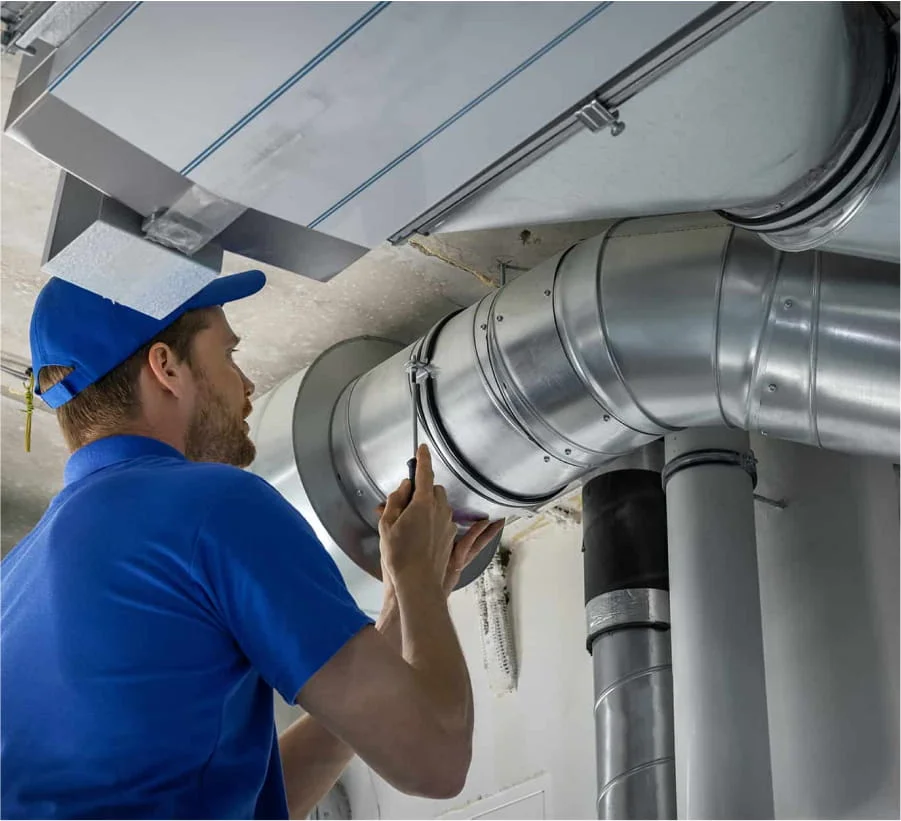
Your air conditioning system relies on more than just the AC unit itself to keep your home comfortable. Behind the walls, ceilings, attics, and crawl spaces lies a network of ductwork responsible for delivering cooled air throughout your property. When these ducts become damaged, outdated, or inefficient, they can significantly impact your home's comfort and your HVAC system's performance.
If you've noticed uneven cooling, rising energy bills, excessive dust, or poor airflow, it may be time to consider AC duct replacement. Replacing old or damaged ductwork can dramatically improve energy efficiency, enhance indoor air quality, and help your cooling system operate more effectively.
This complete guide explains everything homeowners need to know about AC duct replacement, including warning signs, benefits, costs, installation processes, and frequently asked questions.
What Is AC Duct Replacement?
AC duct replacement involves removing old, damaged, or inefficient air conditioning ductwork and installing a new duct system designed to distribute cooled air effectively throughout the home.
The duct system serves as the delivery network for conditioned air produced by your HVAC unit. If the ducts are leaking, poorly insulated, improperly sized, or structurally compromised, your cooling system may struggle to maintain comfortable indoor temperatures.
A professional AC duct replacement project ensures that air flows efficiently from the HVAC unit to every room, reducing energy waste and improving overall system performance.
Why AC Ductwork Is Important
Many homeowners focus on replacing aging air conditioners but overlook the condition of their ductwork.
Even the most energy-efficient AC unit cannot perform optimally if conditioned air escapes through damaged ducts before reaching living spaces.
Properly functioning ductwork helps:
-
Maintain consistent indoor temperatures
-
Improve energy efficiency
-
Lower utility costs
-
Enhance indoor air quality
-
Reduce HVAC system strain
-
Extend equipment lifespan
Without efficient ducts, your cooling system may waste a significant amount of energy while failing to provide adequate comfort.
Signs You Need AC Duct Replacement
Knowing when to replace your ductwork can help prevent expensive HVAC issues and ongoing inefficiencies.
Uneven Cooling Throughout the Home
One of the most common indicators of failing ductwork is inconsistent temperatures between rooms.
Some rooms may feel cool and comfortable while others remain warm despite continuous AC operation.
Rising Energy Bills
A sudden increase in cooling costs often points to air leakage or inefficiencies within the duct system.
When conditioned air escapes before reaching living areas, your AC unit must run longer to compensate.
Weak Airflow From Vents
Reduced airflow can result from:
-
Duct leaks
-
Collapsed duct sections
-
Improper duct sizing
-
Severe blockages
Poor airflow negatively impacts comfort and efficiency.
Excessive Dust and Allergens
Damaged ductwork can draw contaminants into the HVAC system from attics, crawl spaces, and wall cavities.
This often leads to increased dust accumulation and worsening allergy symptoms.
Visible Duct Damage
Signs of physical deterioration include:
-
Cracks
-
Holes
-
Corrosion
-
Rust
-
Sagging ducts
-
Disconnected sections
Visible damage frequently indicates the need for AC duct replacement.
Aging Ductwork
Most residential duct systems last between 15 and 25 years.
Older ductwork often develops leaks, insulation deterioration, and structural problems that reduce performance.
Excessive HVAC Repairs
If your HVAC system requires frequent service but comfort issues persist, failing ductwork may be the underlying problem.
Benefits of AC Duct Replacement
Replacing outdated ductwork offers substantial long-term benefits.
Improved Energy Efficiency
One of the primary reasons homeowners invest in AC duct replacement is energy savings.
New duct systems are properly sealed and insulated, minimizing air loss and maximizing airflow efficiency.
Lower Utility Bills
Improved duct performance reduces the workload placed on your air conditioning system.
This often results in lower monthly energy costs.
Better Indoor Comfort
A properly designed duct system ensures balanced airflow and consistent temperatures throughout the home.
Enhanced Indoor Air Quality
New ducts help prevent contaminants such as:
-
Dust
-
Pollen
-
Mold spores
-
Insulation particles
-
Pet dander
from entering the conditioned airflow.
Longer HVAC Equipment Life
When airflow improves, the HVAC system operates more efficiently and experiences less wear and tear.
Increased Property Value
Updated HVAC infrastructure can enhance a home's market appeal and resale value.
Common Reasons Homeowners Need AC Duct Replacement
Several factors can contribute to ductwork failure.
Poor Original Installation
Improperly installed ducts often develop performance issues over time.
Common installation problems include:
-
Incorrect sizing
-
Poor sealing
-
Inadequate support
-
Improper routing
Air Leaks
Leaks are among the leading causes of HVAC inefficiency.
Small gaps can waste significant amounts of conditioned air.
Corrosion and Rust
Metal duct systems may deteriorate due to age, moisture exposure, and environmental conditions.
Rodent or Pest Damage
Animals can chew through insulation and flexible ducts, creating airflow problems.
Structural Damage
Home settling, renovations, and accidental impacts can damage ductwork.
Mold Contamination
Moisture intrusion can lead to mold growth inside ducts, compromising both air quality and system performance.
AC Duct Replacement vs. AC Duct Repair
Homeowners often wonder whether repair or replacement is the better option.
When Repairs May Be Sufficient
Repairs are often appropriate when:
-
Damage is minor
-
Ducts are relatively new
-
Problems are localized
-
Overall duct condition remains good
When Replacement Is Recommended
Replacement is usually the better solution when:
-
Ductwork exceeds 20 years of age
-
Multiple leaks are present
-
Corrosion is widespread
-
Mold contamination exists
-
Airflow design is outdated
-
Repair costs continue to increase
A professional HVAC inspection can determine the most cost-effective option.
The AC Duct Replacement Process
Understanding the installation process helps homeowners prepare for the project.
Step 1: Comprehensive Duct Inspection
Technicians evaluate the current duct system and identify performance issues.
Step 2: HVAC Load Calculation
Proper sizing is essential for efficient airflow and cooling performance.
Professionals calculate the home's cooling requirements before designing a new duct system.
Step 3: Duct Design and Planning
The new layout is customized to maximize airflow and comfort.
Step 4: Removal of Existing Ductwork
Old ducts are carefully removed from the home.
Step 5: Installation of New Ducts
New ductwork is installed according to industry standards and manufacturer recommendations.
Step 6: Sealing and Insulation
All connections are sealed to prevent leaks, and insulation is installed where needed.
Step 7: System Testing and Balancing
Technicians verify airflow performance and ensure proper distribution throughout the home.
How Much Does AC Duct Replacement Cost?
The cost of AC duct replacement varies depending on several factors.
Factors Affecting Cost
Home Size
Larger homes require more duct materials and labor.
Accessibility
Ducts located in attics, crawl spaces, or difficult-to-reach areas increase installation complexity.
Duct Material
Different materials vary in price and durability.
System Design
Custom-designed duct systems typically cost more than standard installations.
Regional Labor Rates
Local labor costs significantly influence total project expenses.
Average Cost of AC Duct Replacement
Most homeowners spend between $3,500 and $12,000 for complete AC duct replacement.
Smaller homes generally fall near the lower end of the range, while larger or more complex systems can exceed average costs.
Best Duct Materials for Replacement
Selecting the right material affects durability, efficiency, and long-term performance.
Sheet Metal Ducts
Advantages include:
-
Exceptional durability
-
Long lifespan
-
Resistance to mold growth
-
Excellent airflow characteristics
Flexible Ducts
Benefits include:
-
Lower installation costs
-
Easier installation in tight spaces
Fiberglass Duct Board
Advantages include:
-
Built-in insulation
-
Noise reduction
-
Energy efficiency benefits
An HVAC professional can recommend the most appropriate material based on your home's needs.
How AC Duct Replacement Improves Indoor Air Quality
Indoor air quality is a major concern for many homeowners.
Old duct systems often accumulate years of contaminants and may develop leaks that allow pollutants into the airflow.
Replacing ductwork helps:
-
Reduce dust circulation
-
Improve filtration performance
-
Minimize allergen exposure
-
Eliminate contaminated duct materials
-
Create healthier indoor environments
This is especially beneficial for individuals with allergies, asthma, or respiratory conditions.
Energy Savings From AC Duct Replacement
One of the most compelling reasons to replace ductwork is the potential for energy savings.
New ducts improve efficiency by:
-
Reducing air leakage
-
Improving airflow balance
-
Enhancing HVAC performance
-
Lowering cooling demands
Many homeowners notice a measurable reduction in utility bills after replacing outdated duct systems.
Professional Installation vs. DIY Duct Replacement
Although some home improvement projects can be handled independently, AC duct replacement requires professional expertise.
Risks of DIY Installation
-
Incorrect duct sizing
-
Poor airflow distribution
-
Energy inefficiency
-
Code violations
-
Reduced HVAC performance
Benefits of Professional Installation
-
Accurate system design
-
Proper airflow balancing
-
Compliance with building codes
-
Warranty protection
-
Long-term reliability
Professional installation ensures maximum comfort and efficiency.
Maintenance Tips After AC Duct Replacement
Proper maintenance can help extend the life of your new duct system.
Replace Air Filters Regularly
Clean filters support efficient airflow and improve indoor air quality.
Schedule Annual HVAC Inspections
Routine inspections help identify developing issues before they become major problems.
Keep Vents and Registers Clean
Removing dust and debris improves airflow.
Monitor Utility Bills
Unexpected increases may indicate HVAC system issues.
Inspect Accessible Duct Areas
Check for signs of damage, insulation problems, or loose connections.
Conclusion
AC duct replacement is one of the most effective ways to improve cooling performance, reduce energy waste, and enhance indoor comfort. While many homeowners focus solely on the air conditioning unit, the duct system plays an equally important role in HVAC efficiency.
If your home experiences uneven cooling, rising energy costs, excessive dust, or aging ductwork, replacing your ducts may provide substantial long-term benefits. A professionally installed duct system can improve airflow, lower utility bills, enhance indoor air quality, and extend the lifespan of your HVAC equipment.
Investing in AC duct replacement today can lead to years of improved comfort, efficiency, and savings.
Frequently Asked Questions (FAQs)
What is AC duct replacement?
AC duct replacement involves removing old or damaged ductwork and installing a new system designed to improve airflow and HVAC efficiency.
How often should AC ducts be replaced?
Most duct systems last between 15 and 25 years, depending on materials, maintenance, and environmental conditions.
How do I know if I need AC duct replacement?
Common signs include uneven cooling, weak airflow, high energy bills, excessive dust, visible damage, and aging ductwork.
Is AC duct replacement worth the cost?
Yes. New ductwork can improve energy efficiency, reduce utility bills, enhance comfort, and improve indoor air quality.
How much does AC duct replacement cost?
Most homeowners spend between $3,500 and $12,000 depending on home size, accessibility, and project complexity.
Can new ductwork lower energy bills?
Absolutely. Properly sealed and insulated ducts reduce energy waste and improve HVAC performance.
How long does AC duct replacement take?
Most residential projects are completed within one to three days.
Can replacing ducts improve indoor air quality?
Yes. New ductwork helps prevent dust, allergens, and contaminants from entering the airflow.
Should I replace ductwork when replacing my air conditioner?
If the duct system is old, damaged, or inefficient, replacing both simultaneously often provides the best performance results.
Will AC duct replacement increase home value?
Updated HVAC infrastructure can improve buyer appeal and may contribute to increased property value.

 English
 Arabic
 Spanish
 Portuguese
 Deutsch
 Turkish
 Dutch
Dutch
 Italiano
 Russian
 Romaian
 Portuguese (Brazil)
 Greek
Greek