


Compare 3PL and Fulfillment Providers for Shopify or Amazon Sellers in India
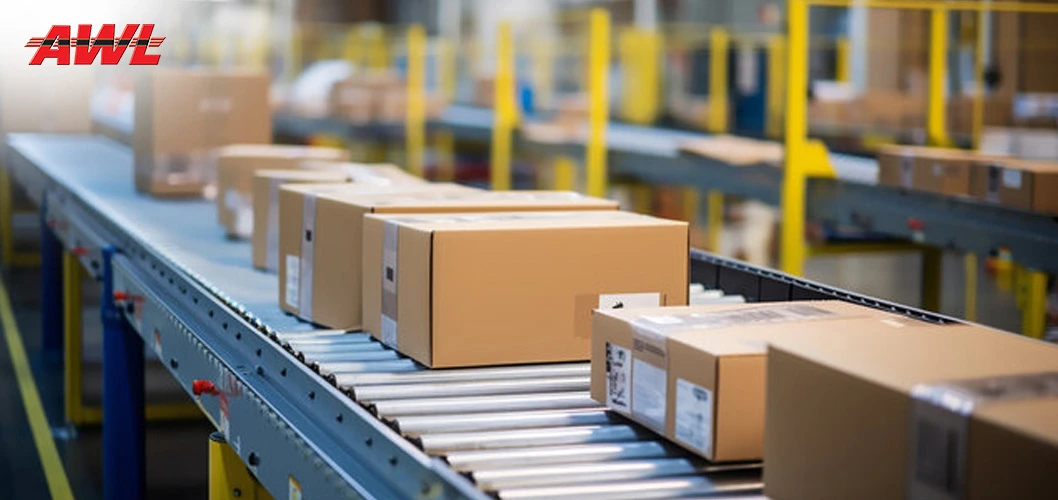
As eCommerce continues to scale rapidly, Indian online sellers on platforms like Shopify and Amazon face a critical operational decision: choosing between a 3PL (Third-Party Logistics) provider and a fulfillment service provider. While both support storage, packing, and delivery, their scope, flexibility, and long-term impact on business growth vary significantly—especially in a competitive market like India.
Understanding the difference between these two logistics models is essential for sellers aiming to improve delivery speed, reduce costs, and scale efficiently. Let’s explore how 3PL and fulfillment providers compare and which option may be better suited for Shopify or Amazon sellers.
What Is a 3PL Provider?
A 3PL provider manages a broad range of supply chain operations beyond just order fulfillment. These services typically include warehousing, inventory management, order processing, last-mile delivery, returns handling, and sometimes even freight forwarding and cross-border logistics.
For Indian eCommerce sellers looking for end-to-end logistics control, a 3PL partner like AWL India acts as an extension of the business. Instead of handling logistics in silos, sellers get a unified system that integrates inventory storage, order flow, courier management, and reverse logistics under one roof.
3PL services are especially useful for brands operating across multiple sales channels—such as Shopify websites, Amazon marketplaces, and offline distribution—because they centralize operations and reduce complexity.
What Is a Fulfillment Provider?
A fulfillment provider focuses primarily on order fulfillment tasks: storing products, picking and packing orders, and shipping them to customers. These services are often tightly integrated with specific platforms. For example, Amazon sellers commonly use marketplace-led fulfillment services to qualify for faster delivery badges and customer trust.
Fulfillment providers are usually transactional and standardized, meaning sellers operate within predefined processes, pricing slabs, and storage rules. While this can be convenient for beginners or single-channel sellers, it may limit flexibility as the business grows.
Key Differences Between 3PL and Fulfillment Providers
The most significant difference lies in scope and control. Fulfillment providers are order-centric, while 3PL providers are supply-chain-centric.
A 3PL partner supports sellers from inbound logistics to final delivery and returns, allowing brands to customize workflows, select courier partners, manage regional inventory placement, and optimize delivery costs. Fulfillment providers, on the other hand, prioritize speed and platform alignment but offer limited customization.
Another difference is scalability. As order volumes increase, sellers using fulfillment-only services may face rising storage fees, restrictive policies, or channel dependency. A 3PL like AWL India enables sellers to scale without being locked into a single marketplace ecosystem.
Which Is Better for Shopify Sellers?
Shopify sellers typically operate independent D2C brands, making logistics flexibility extremely important. They often sell across multiple channels—own website, marketplaces, social commerce, and even B2B.
For these sellers, a 3PL provider is generally the better choice. With a 3PL partner, Shopify brands can integrate their store with a centralized warehouse system, automate order processing, choose optimal courier services, and maintain consistent branding across deliveries.
AWL India, for instance, helps Shopify sellers manage pan-India fulfillment while retaining control over customer experience, delivery timelines, and return policies—something that standard fulfillment services struggle to offer.
Which Is Better for Amazon Sellers?
Amazon sellers often prioritize Prime eligibility, fast delivery, and platform trust. Marketplace-linked fulfillment services can help achieve these goals quickly, especially for new sellers or those with limited order volumes.
However, as Amazon sellers expand to multiple cities or add other sales channels, relying solely on fulfillment services can become expensive and restrictive. Storage penalties, long-term fees, and lack of control over returns can eat into margins.
In such cases, a hybrid approach works best—using Amazon’s fulfillment selectively while partnering with a 3PL like AWL India for non-marketplace orders, bulk inventory management, and multi-channel fulfillment.
Cost Considerations for Indian Sellers
Cost is often a deciding factor, but it should be evaluated holistically. Fulfillment providers may appear cost-effective initially, but fees for storage duration, peak seasons, and returns can add up quickly.
3PL providers typically offer transparent pricing models, allowing sellers to pay only for the services they use. By optimizing inventory placement and courier selection, a 3PL can help reduce overall logistics costs while improving delivery performance.
Returns and Reverse Logistics
Returns are a major challenge in Indian eCommerce. Fulfillment providers usually follow fixed return workflows, offering limited visibility or control to sellers.
A 3PL provider like AWL India offers customized reverse logistics, including quality checks, refurbishment, restocking, and faster refunds. This improves customer satisfaction while minimizing losses.
Making the Right Choice
The choice between a 3PL and a fulfillment provider depends on business size, sales channels, and growth plans.
-
Single-channel, early-stage sellers may benefit from fulfillment services for simplicity.
-
Growing brands and multi-channel sellers gain more value from a 3PL partnership.
-
Established sellers often prefer 3PL solutions for cost efficiency, control, and scalability.
By partnering with AWL India, Shopify and Amazon sellers can build a logistics backbone that supports long-term growth, faster deliveries, and better customer experiences—without being constrained by platform limitations.
FAQs
1. Is a 3PL better than a fulfillment provider for Shopify sellers in India?
Yes, for most Shopify sellers, a 3PL offers greater flexibility, multi-channel support, and better control over branding, deliveries, and returns.
2. Can Amazon sellers use a 3PL along with marketplace fulfillment?
Absolutely. Many sellers use a hybrid model, combining Amazon’s fulfillment for Prime orders and a 3PL like AWL India for other channels.
3. Does a 3PL handle returns and reverse logistics?
Yes, unlike basic fulfillment providers, 3PL companies manage end-to-end reverse logistics, including inspections, restocking, and refunds.
4. How does AWL India support eCommerce sellers?
AWL India provides warehousing, order fulfillment, courier management, returns handling, and scalable logistics solutions tailored for Indian eCommerce businesses.

 English
 Arabic
 French
 Spanish
 Portuguese
 Deutsch
 Turkish
 Dutch
Dutch
 Italiano
 Russian
 Romaian
 Portuguese (Brazil)