


Common Healthcare Compliance Mistakes and How to Avoid Them
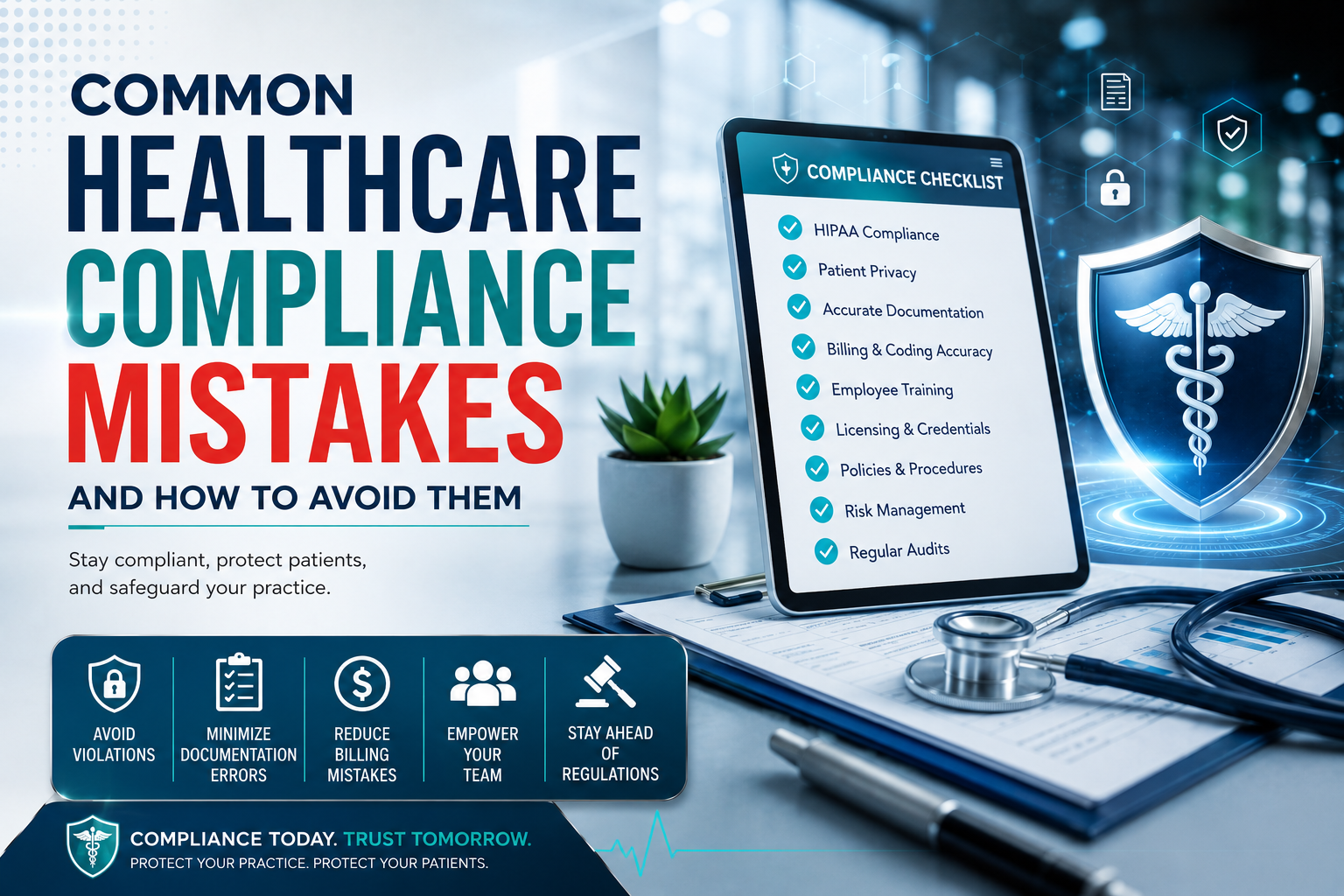
The healthcare industry continues to experience rapid growth, but with expansion comes increased regulatory responsibility. Healthcare providers, medical practices, and healthcare entrepreneurs must follow strict legal and compliance standards to protect patients and maintain successful operations.
The Common Healthcare Compliance Mistakes made by healthcare organizations are often caused by outdated procedures, insufficient employee training, poor documentation, or misunderstanding complex regulations. These mistakes may appear minor but can lead to serious consequences, including financial penalties, regulatory investigations, lawsuits, and reputational damage.
A proactive compliance strategy helps healthcare organizations reduce risks, improve efficiency, and build trust with patients.
This guide explains the most frequent healthcare compliance mistakes and practical steps businesses can take to avoid them.
Why Healthcare Compliance Is Important
Healthcare compliance involves following federal and state regulations, industry standards, and internal policies that govern healthcare operations.
A strong compliance program helps organizations:
- Protect patient information
- Maintain proper documentation
- Prevent billing problems
- Reduce legal exposure
- Improve patient safety
- Build organizational trust
Compliance is not simply a requirement; it is an important part of operating a responsible healthcare business.
1. Poor Protection of Patient Information
One of the most serious compliance issues in healthcare involves patient privacy.
Healthcare organizations handle sensitive information such as:
- Medical histories
- Treatment records
- Insurance information
- Personal health details
Failing to properly protect this information can create privacy risks.
Common mistakes include:
- Sharing patient data without proper authorization
- Using unsecured communication methods
- Weak password policies
- Poor employee awareness
- Improper record handling
Healthcare organizations should establish clear privacy procedures and ensure all employees understand their responsibilities.
2. Incomplete HIPAA Compliance Programs
HIPAA compliance remains one of the biggest challenges for healthcare businesses.
Many organizations create basic privacy policies but fail to maintain an effective compliance system.
Common HIPAA mistakes include:
- Not updating policies
- Lack of workforce training
- Poor access controls
- Missing security assessments
- No breach response plan
An effective HIPAA program should include regular reviews, employee education, and security safeguards.
3. Inaccurate Medical Documentation
Proper documentation is essential for quality care and legal protection.
Incomplete records can create problems during:
- Compliance audits
- Insurance reviews
- Patient disputes
- Regulatory investigations
Common documentation problems include:
- Missing patient notes
- Incomplete treatment records
- Lack of consent documentation
- Incorrect information
- Poor record organization
Healthcare providers should implement consistent documentation standards and train staff regularly.
4. Billing and Coding Compliance Issues
Billing mistakes are among the most common healthcare compliance challenges.
Incorrect billing practices can result in:
- Payment delays
- Audits
- Financial penalties
- Compliance investigations
Common billing errors include:
- Incorrect codes
- Duplicate billing
- Unsupported claims
- Missing documentation
Regular billing reviews and staff training help organizations identify and correct errors before they become major problems.
5. Failure to Maintain Licenses and Credentials
Healthcare professionals must maintain active licenses and required credentials.
A common mistake is failing to track renewal dates or verify provider qualifications.
Organizations should regularly monitor:
- Professional licenses
- Certifications
- Facility requirements
- Provider credentials
Proper credential management helps avoid operational interruptions and regulatory issues.
6. Lack of Employee Compliance Training
Employees are one of the biggest factors affecting healthcare compliance.
Without proper training, staff members may unknowingly violate important regulations.
Training should include:
- Patient privacy rules
- Documentation procedures
- Security practices
- Workplace policies
- Compliance responsibilities
Regular education creates a culture where employees understand and follow compliance expectations.
7. Ignoring Healthcare Contract Risks
Healthcare businesses often work with multiple parties, including:
- Providers
- Vendors
- Contractors
- Management companies
- Technology partners
Poorly structured contracts can create compliance concerns.
Healthcare agreements should clearly define:
- Roles and responsibilities
- Confidentiality requirements
- Payment terms
- Compliance obligations
Strong contracts help protect organizations from unnecessary legal disputes.
8. Not Updating Policies and Procedures
Healthcare regulations constantly change.
Policies that were effective several years ago may not meet current requirements.
Healthcare organizations should regularly review:
- Compliance manuals
- Privacy policies
- Employee procedures
- Security protocols
Keeping policies updated helps businesses remain prepared for regulatory changes.
9. Weak Cybersecurity Practices
Modern healthcare relies heavily on digital systems, increasing the importance of cybersecurity.
Common cybersecurity mistakes include:
- Weak passwords
- Limited access controls
- Unsecured devices
- Lack of security training
- Poor data backup practices
Healthcare organizations should implement strong cybersecurity measures to protect patient information.
10. Skipping Compliance Audits
Many organizations review compliance only after a problem occurs.
Regular internal audits allow businesses to identify risks early.
Compliance reviews should examine:
- Patient records
- Billing practices
- Privacy procedures
- Licensing documentation
- Employee processes
A proactive audit approach helps prevent small issues from becoming major compliance failures.
How Healthcare Businesses Can Build Better Compliance
Healthcare organizations can improve compliance by:
Creating Clear Policies
Written policies provide employees with clear guidance.
Training Employees Regularly
Ongoing education reduces mistakes and improves accountability.
Monitoring Operations
Regular reviews help identify potential risks.
Protecting Patient Data
Strong privacy practices support patient trust.
Staying Updated
Following regulatory changes helps organizations adapt quickly.
The Long-Term Benefits of Healthcare Compliance
A strong compliance program helps healthcare businesses:
- Improve patient confidence
- Reduce legal risks
- Strengthen operations
- Protect sensitive information
- Support sustainable growth
Compliance should be viewed as an investment rather than a burden.
Conclusion
Avoiding the Common Healthcare Compliance Mistakes is essential for every healthcare provider, startup, and medical organization. Small oversights involving privacy, documentation, billing, licensing, or employee training can create significant challenges.
By developing strong compliance policies, educating employees, conducting regular reviews, and staying informed about regulatory changes, healthcare businesses can create safer and more successful operations.
A commitment to compliance protects patients, providers, and the future of healthcare organizations.

 English
 French
 Spanish
 Portuguese
 Deutsch
 Turkish
 Dutch
Dutch
 Italiano
 Russian
 Romaian
 Portuguese (Brazil)
 Greek
Greek