


Bird Netting with Reliable Environmental Protection
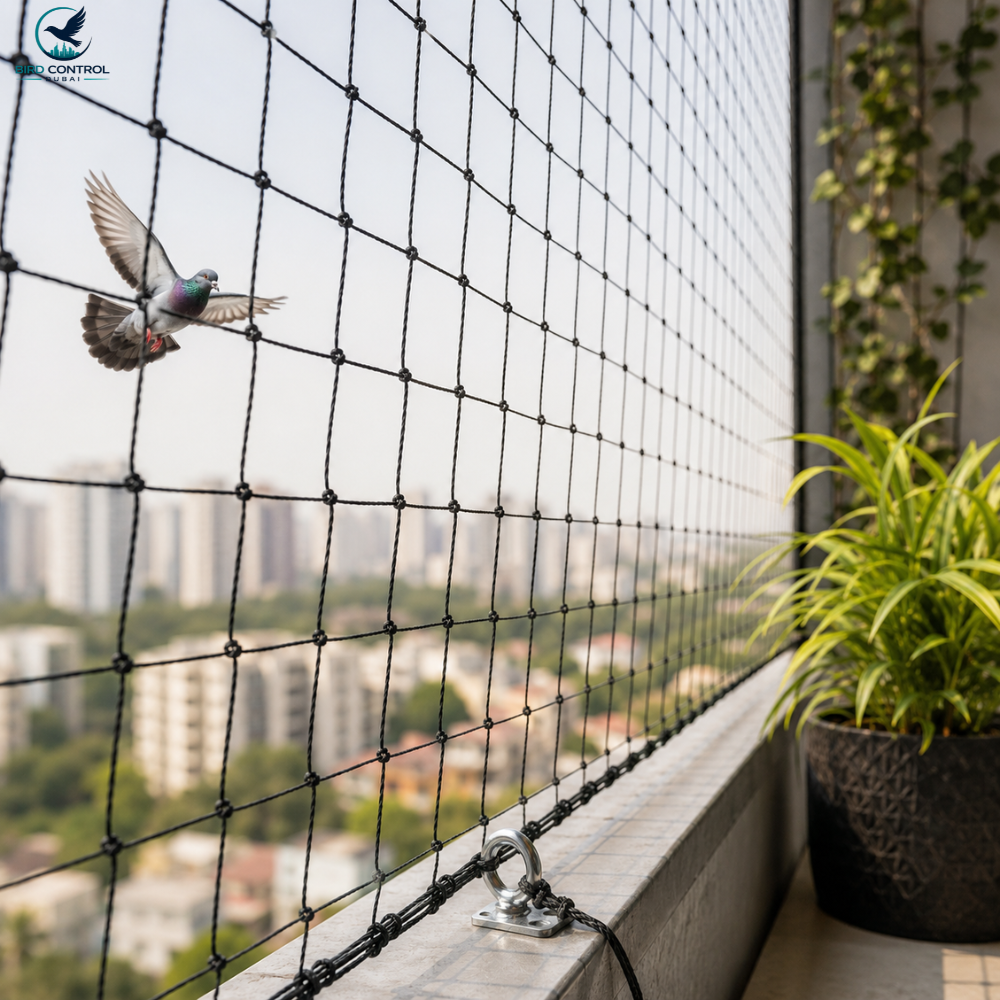
Bird activity around homes, commercial buildings, warehouses, and industrial facilities can create a variety of challenges. Birds often seek safe places for resting, nesting, and feeding, which can lead to unwanted consequences such as property damage, hygiene concerns, and maintenance issues. As urban areas continue to expand, the interaction between birds and human environments becomes more common. One of the most effective and long-lasting solutions for managing bird activity is bird netting.
Bird netting is a practical bird control method designed to prevent birds from accessing specific areas without causing them harm. It creates a protective barrier that blocks entry to spaces where birds are not wanted while allowing the area to remain functional and visually appealing. This makes bird netting a preferred choice for residential, commercial, and industrial applications.
Understanding Bird Netting
Bird netting is made from durable materials such as polyethylene or nylon and is installed to cover open spaces where birds frequently gather. The net acts as a physical barrier, preventing birds from entering balconies, courtyards, rooftops, warehouses, loading docks, and other vulnerable locations.
Unlike temporary bird deterrents, bird netting offers continuous protection throughout the year. Once installed correctly, it can remain effective for many years with minimal maintenance. This reliability makes it one of the most trusted bird control solutions available today.
Why Bird Activity Needs Control
Birds may appear harmless, but excessive bird activity can lead to several problems. Bird droppings can accumulate on buildings, walkways, vehicles, and equipment, creating an unpleasant appearance and increasing cleaning costs. Nesting materials can block drainage systems, damage structures, and create fire hazards in some environments.
Commercial properties often face additional challenges when birds gather around entrances, signs, and outdoor seating areas. Customers may be discouraged by unsanitary conditions, while businesses must spend more on maintenance and repairs. Industrial facilities can also experience operational disruptions when birds enter production areas or storage spaces.
Bird netting helps eliminate these concerns by restricting access to the areas most affected by bird activity.
How Bird Netting Improves Bird Control
The effectiveness of bird netting comes from its ability to completely exclude birds from protected areas. Rather than attempting to scare birds away temporarily, netting prevents them from entering in the first place. This proactive approach delivers better long-term results than many other bird control methods.
When installed around balconies, rooftops, and open structures, bird netting creates a secure barrier that birds cannot easily bypass. As a result, birds are encouraged to seek alternative locations for nesting and resting. The protected area remains clean, safe, and free from recurring bird-related problems.
Because bird netting works through exclusion rather than deterrence, it remains effective regardless of changing weather conditions or bird behavior patterns.
Applications of Bird Netting
Bird netting can be used in a wide range of settings. Residential buildings often use netting to protect balconies, terraces, and air-conditioning units from pigeon activity. Homeowners appreciate the ability to enjoy outdoor spaces without dealing with bird droppings or nesting materials.
Commercial buildings frequently install bird netting around signage, entrances, parking structures, and outdoor dining areas. This helps maintain a professional appearance while reducing maintenance requirements.
Industrial facilities use bird netting to safeguard warehouses, manufacturing plants, storage yards, and loading docks. Preventing bird access in these locations supports cleanliness, operational efficiency, and equipment protection.
Agricultural properties also benefit from bird netting by protecting crops, greenhouses, and storage areas from bird damage. The versatility of bird netting makes it suitable for nearly any environment where bird activity is a concern.
Durability and Long-Term Performance
One of the biggest advantages of bird netting is its durability. High-quality bird netting is designed to withstand harsh environmental conditions, including strong sunlight, wind, rain, and temperature fluctuations. The materials used in modern bird netting systems are resistant to wear and degradation, ensuring long-lasting performance.
Professional installation further enhances the lifespan of the netting. Proper tensioning, secure attachment points, and careful design help maintain effectiveness over time. With routine inspections and occasional maintenance, bird netting can provide reliable protection for many years.
This long service life makes bird netting a cost-effective investment for property owners seeking a permanent bird control solution.
Safe and Humane Bird Management
Bird netting is widely recognized as a humane approach to bird control. Instead of harming birds, it simply prevents them from accessing specific areas. Birds are redirected to other locations where they can continue their natural activities without interfering with human environments.
Many property owners prefer bird netting because it aligns with responsible wildlife management practices. The solution focuses on prevention rather than punishment, creating a balance between protecting property and respecting local bird populations.
When installed correctly, bird netting provides effective control while maintaining a safe environment for both people and birds.
Professional Installation Matters
The success of a bird netting system depends heavily on proper installation. Every location presents unique challenges, including building design, access points, and bird behavior patterns. Professional installers assess these factors to create a customized solution that provides maximum coverage and protection.
A professionally installed bird netting system eliminates gaps and weak points that birds might exploit. It also ensures that the netting blends well with the structure while maintaining its strength and durability.
Investing in expert installation helps property owners achieve the best possible results and avoid future bird-related issues.
Conclusion
Bird netting is one of the most reliable and effective solutions for better control of bird activity. By creating a strong physical barrier, it prevents birds from accessing vulnerable areas while maintaining a safe and humane approach to bird management. Whether used in residential, commercial, industrial, or agricultural settings, bird netting offers long-term protection against nesting, roosting, and bird-related damage.
With its durability, versatility, and proven effectiveness, bird netting remains a preferred choice for property owners seeking a practical solution to bird problems. Properly installed bird netting helps maintain cleaner, safer, and more attractive environments while providing lasting peace of mind.

 English
 French
 Spanish
 Portuguese
 Deutsch
 Turkish
 Dutch
Dutch
 Italiano
 Russian
 Romaian
 Portuguese (Brazil)
 Greek
Greek