


The Essential Checklist for Solar Panel Removal and Reinstall in Dallas, TX
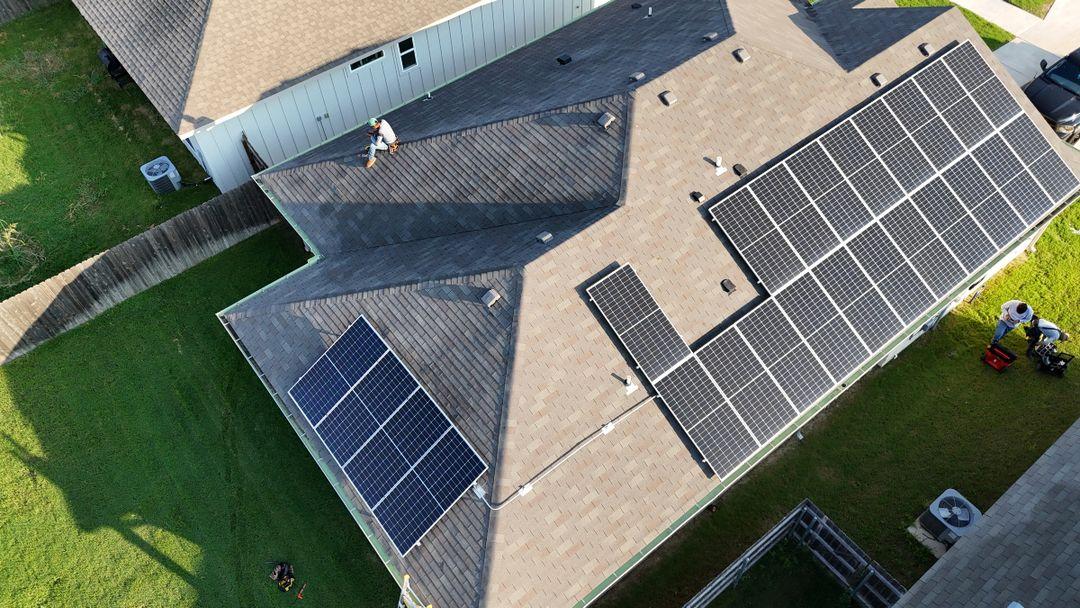
Whether you are replacing an aging roof, upgrading to impact-resistant shingles after a North Texas hail storm, or remodeling your home, a solar "de-install and reinstall" (R&R) requires precise execution.
Unlike a fresh installation, an R&R involves working with existing, weathered components, safely handling high-voltage DC power, and strict adherence to specific municipal guidelines. In Dallas, cutting corners can lead to voided equipment warranties, failed city inspections, or a denied utility connection from Oncor.
Use this essential checklist to navigate the solar removal and reinstallation process smoothly in Dallas.
Phase 1: Pre-Removal & Administrative Safeguards
[ ] Verify Warranty Preservation
Before any tool touches your roof, contact your original solar installer or the equipment manufacturers (like Enphase or SolarEdge).
-
The Trap: Having a standard roofing company remove your panels usually voids your system's workmanship and equipment warranties.
-
The Fix: Ensure the removal is performed or overseen by a technician certified by your specific equipment manufacturer.
[ ] Clarify Financial Ownership (PPAs and Leases)
If you do not own your panels outright and are instead on a Solar Lease or Power Purchase Agreement (PPA), you cannot legally touch the equipment without permission.
-
Contact your solar financier early. They will require you to use their approved network of technicians and will outline the standardized removal/reinstallation fees.
[ ] File for Property Tax Continuity
-
Because you are temporarily removing the system, ensure your Form 50-123 (Solar Energy Property Tax Exemption) remains intact with the Dallas Central Appraisal District (DCAD). The temporary removal for roof repair should not trigger a system reassessment as long as the system profile remains unchanged upon reinstallation.
Phase 2: Safe Removal & Material Storage
[ ] Execute Proper System Shutdown
-
The system must be fully de-energized following proper National Electrical Code (NEC) rapid shutdown procedures before unmounting. Turning off the main solar breaker in your service panel is not enough; the high-voltage DC strings coming from the panels must be safely isolated.
[ ] Map and Label Every Component
-
Micro-inverters/DC Optimizers: Technicians must map exactly which micro-inverter or optimizer belongs to which specific panel layout location. Shuffling them randomly during reinstallation makes future software troubleshooting an absolute nightmare.
-
Label Cables: Store and label all home-run wiring and conduit runs.
[ ] Secure and Store Equipment Safely On-Site
Your panels will likely sit in your yard or garage while the roofers work. Ensure they are protected against the unpredictable DFW weather:
-
Panels should be stacked horizontally, glass-to-glass and backsheet-to-backsheet, wrapped securely, and kept completely off the ground (ideally on pallets) to protect against dirt and moisture.
Phase 3: The Roofing Intermission
[ ] Coordinate the Mounting Hardware Strategy
-
Do Not Reuse Old Lag Bolts: Standard roofing protocols dictate that the old heavy-duty lag bolts holding your solar racking to the rafters must be discarded.
-
Flashing Replacement: Ensure your roofing contractor or solar team uses brand-new flashing and high-grade sealant (like flashing boots or solar-specific mounts) at every single roof penetration point to guarantee a watertight seal against torrential Texas downpours.
Phase 4: Reinstallation, Permitting, & Compliance
[ ] Navigate the City of Dallas Permitting Framework
A common misconception is that putting existing panels back on the same roof doesn't require a permit. However, the City of Dallas Sustainable Development and Construction Department views an R&R as a modification to existing structural and electrical systems.
-
The Rules: Under Dallas regulatory frameworks, a solar permit requires a structural building code review, fire specialty review (for roof pathways), and zoning review.
-
The Shortcut: Dallas permits a fast-track pathway where qualified, licensed third-party master electricians or inspectors can review the development files and speed up the municipal turnaround window to under three business days.
-
Avoid This Mistake: Do not let your contractor apply for a standalone online electrical permit; the city will cancel it. The R&R scope must undergo proper plan review via the DallasNow portal or ProjectDox.
[ ] Update to the Latest Code Standards
When putting the system back up, it must comply with current building and electrical safety codes.
-
Rooftop Fire Pathways: Dallas requires a minimum 3-foot clear pathway along the roof edges and ridges for emergency firefighter access. If your old system was grandfathered in tightly to the edges, the layout may need minor adjustments during reinstall to pass inspection.
-
Critter Guards: Take advantage of the panels being off the roof to add wire mesh critter guards. Dallas squirrels love nesting under warm panels and chewing through exposed solar wiring.
Phase 5: Re-Commissioning & Oncor Interconnection
[ ] Pass the Final City Inspection
-
Once reinstalled, a licensed master or journeyman electrician must oversee the system connection. The City of Dallas field inspector (or authorized third-party inspector) must sign off on the structural attachments, code-compliant labeling, and electrical grounding before the system can legally be turned back on.
[ ] Re-Establish Oncor Interconnection
-
Because the system was disconnected from the grid, your contractor must verify or re-confirm the status with Oncor Electric Delivery. Running a grid-tied solar system in Dallas without active utility clearance can result in heavy fines or immediate system disconnection.
-
Once Oncor grants clearance and your retail electric provider (REP) confirms your solar buyback plan is active, flip the main breaker back on and monitor your monitoring app to ensure every individual inverter is reporting cleanly.

 English
 Arabic
 Spanish
 Portuguese
 Deutsch
 Turkish
 Dutch
Dutch
 Italiano
 Russian
 Romaian
 Portuguese (Brazil)
 Greek
Greek