


Electric Scooter Guide: Understanding Range, Battery, Speed, and Cost
Introduction
The electric scooter has evolved from a niche alternative into one of the most practical transportation solutions for modern commuters. Rising fuel expenses, increasing traffic congestion, and growing awareness of sustainable mobility have encouraged more people to explore electric two-wheelers as their primary mode of transport.
Whether you are a student commuting to college, a professional traveling to work, a senior citizen looking for convenient mobility, or a family seeking an economical vehicle for daily errands, an electric scooter can offer a compelling combination of affordability, convenience, and efficiency.
However, not all electric scooters are built for the same purpose. Understanding speed categories, battery technologies, range expectations, running costs, and ownership requirements is essential before making a purchase decision.
This guide explains everything you need to know about electric scooters in 2026.
What is an electric scooter?
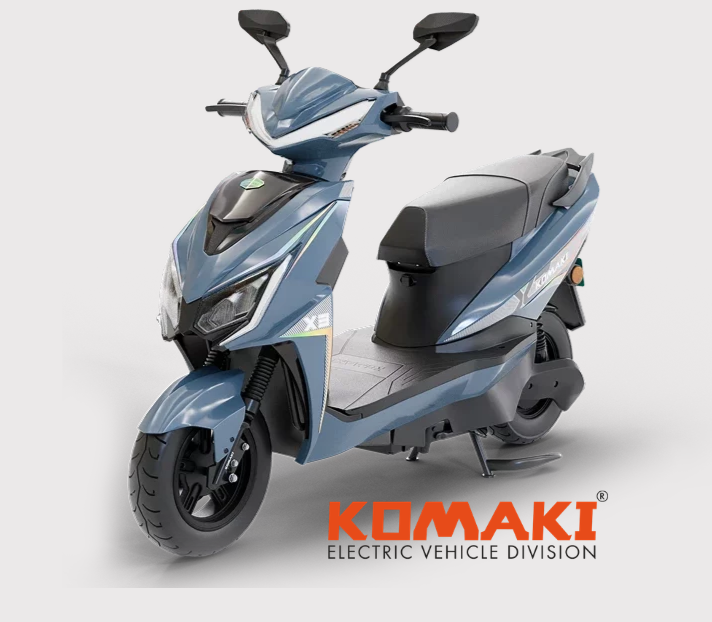
An electric scooter is a two-wheeled vehicle powered by an electric motor instead of a conventional petrol engine. Energy is stored in a rechargeable battery pack, which supplies power to the engine through a controller.
Unlike traditional scooters that require fuel refills and regular engine maintenance, electric scooters can be charged at home and typically have fewer moving parts.
How Electric Scooters Work
An electric scooter consists of four primary components:
Battery: Stores electrical energy.
Engine: Converts electrical energy into motion.
Controller: Regulates power delivery between the battery and motor.
Charger: Replenishes battery energy from a power source.
When the rider twists the throttle, the controller sends electricity from the battery to the motor, generating movement.
Types of Electric Scooters
Low-Speed Electric Scooters
Low-speed models are designed for short-distance urban commuting. They generally operate at moderate speeds and are often preferred by students, senior citizens, and local commuters.
High-Speed Electric Scooters
High-speed variants deliver greater acceleration, higher top speeds, and improved highway capability. They are suitable for longer commutes and riders seeking stronger performance.
Long-Range Electric Scooters
Long-range models prioritize battery capacity and efficiency, enabling riders to cover greater distances between charges.
City Commuter Electric Scooters
These scooters focus on practicality, comfort, and efficiency for daily urban travel.
Benefits of Owning an Electric Scooter
Lower Running Costs
One of the biggest advantages of electric scooters is their low operating cost. Charging a battery generally costs significantly less than purchasing fuel for an equivalent distance.
For riders covering daily commuting distances, the savings can become substantial over the vehicle's lifetime.
Reduced Maintenance Requirements
Electric scooters eliminate many components commonly associated with maintenance expenses, such as engine oil systems, spark plugs, and exhaust assemblies.
This often results in fewer service visits and lower maintenance costs.
Quiet and Smooth Riding Experience
Electric motors provide instant torque while producing minimal noise. The result is a smooth and comfortable riding experience, particularly in city environments.
Convenient Home Charging
Most electric scooters can be charged using a standard household electrical connection, reducing dependence on external fueling infrastructure.
Electric Scooter Price Segments
Electric scooter prices vary based on battery size, motor performance, range, features, and build quality.
Entry-Level Models
These scooters are generally designed for short-distance commuting and budget-conscious buyers.
Mid-Range Models
Mid-range options usually offer better range, improved performance, and additional convenience features.
Premium Models
Premium electric scooters typically include larger battery packs, advanced safety systems, enhanced connectivity features, and superior riding comfort.
Factors Affecting Price
Several factors influence the cost of an electric scooter:
-
Battery capacity
-
Motor power
-
Claimed range
-
Charging technology
-
Smart features
-
Build quality
-
Suspension system
-
Safety equipment
Low-Speed vs High-Speed Electric Scooters
Choosing between low-speed and high-speed models depends on your daily usage.
Low-Speed Electric Scooters
These are ideal for:
-
Local errands
-
College commuting
-
Residential areas
-
Short-distance travel
Advantages include lower ownership costs and simplified operation.
High-Speed Electric Scooters
These are better suited for:
-
Longer commutes
-
Frequent daily travel
-
Multi-purpose usage
-
Riders seeking stronger performance
They generally provide greater flexibility but may involve higher purchase costs.
Which Option Is Better?
There is no universal answer. A rider covering 10 to 20 kilometers per day may find a low-speed scooter perfectly adequate, while someone traveling significantly longer distances may benefit from a high-speed model.
Understanding Electric Scooter Range
Range refers to the distance an electric scooter can travel on a full charge.
While manufacturers often provide estimated figures, real-world performance can vary.
Factors Affecting Range
Rider Weight
Heavier loads typically increase energy consumption.
Traffic Conditions
Frequent stopping and acceleration can reduce efficiency.
Road Conditions
Hilly terrain and poor roads require more power.
Riding Style
Aggressive acceleration generally consumes more energy.
Battery Condition
Older batteries may provide reduced performance over time.
How Much Range Do You Need?
Rather than selecting the highest range available, buyers should calculate their average daily travel distance and choose a scooter that comfortably exceeds that requirement.
A practical safety margin helps account for traffic, detours, and battery aging.
Electric Scooter Battery Guide
The battery is the most important component of an electric scooter.
Lithium-Ion Batteries
Most modern electric scooters use lithium-ion batteries because they offer:
-
Higher energy density
-
Faster charging
-
Longer lifespan
-
Lower weight
Battery Life
Battery lifespan is typically measured in charging cycles. With proper usage and maintenance, a battery can provide several years of reliable service.
Charging Time
Charging times vary depending on battery capacity and charger specifications.
Smaller battery packs may require only a few hours, while larger batteries can take longer to reach full capacity.
Battery Care Tips
To maximize battery life:
-
Avoid complete discharge whenever possible.
-
Store the scooter in moderate temperatures.
-
Use approved charging equipment.
-
Follow recommended charging practices.
Electric Scooter Running Cost
One of the primary reasons consumers switch to electric mobility is cost savings.
Electricity Cost
The cost of charging depends on battery size and local electricity tariffs.
Even when electricity rates vary, charging expenses are generally lower than fuel costs for similar travel distances.
Monthly Ownership Costs
Typical ownership expenses include:
-
Electricity consumption
-
Periodic servicing
-
Tire replacement
-
Brake maintenance
-
Insurance, where applicable
Electric Scooter vs Petrol Scooter
Electric scooters often offer lower day-to-day operating expenses, particularly for riders covering consistent daily distances.
While the initial purchase price may vary, long-term ownership costs can favor electric mobility due to lower energy and maintenance expenses.
Features to Consider Before Buying
Digital Instrument Cluster
Modern displays provide information such as speed, battery percentage, range estimates, and trip data.
Reverse Assist
This feature helps maneuver the scooter in tight parking spaces.
Cruise Function
Useful during longer rides, allowing riders to maintain a steady speed.
Anti-Theft Security
Many scooters include security systems designed to discourage unauthorized usage.
Mobile Connectivity
Some models offer smartphone integration for ride statistics and vehicle monitoring.
Registration and License Requirements
Electric scooter regulations vary depending on performance specifications.
Scooters That Require Registration
Higher-performance scooters generally require registration and compliance with applicable road regulations.
Scooters That May Not Require Registration
Certain lower-speed categories may have different regulatory requirements depending on applicable laws.
Buyers should always verify the latest regulations before purchasing.
Insurance Considerations
Insurance requirements can vary based on vehicle classification and local regulations.
How to Choose the Right Electric Scooter
For Students
Prioritize affordability, ease of use, and sufficient daily range.
For Office Commuters
Look for reliability, comfortable seating, and practical range capacity.
For Senior Citizens
Focus on stability, ease of handling, and comfortable riding ergonomics.
For Delivery Usage
Range, durability, and battery efficiency become particularly important.
For Family Use
Consider storage capacity, comfort, and long-term reliability.
Common Electric Scooter Myths
Myth 1: Electric Scooters Are Expensive to Maintain
In reality, maintenance requirements are often lower than conventional fuel-powered alternatives.
Myth 2: Batteries Need Frequent Replacement
Modern battery technology has significantly improved longevity and durability.
Myth 3: Electric Scooters Cannot Handle Daily Commuting
Many modern models are specifically designed for everyday transportation needs.
Myth 4: Charging Is Difficult
Most users charge their scooters conveniently at home, similar to charging electronic devices.
The Future of Electric Scooters
Electric mobility continues to evolve rapidly.
Future developments are expected to include:
-
Improved battery technology
-
Faster charging systems
-
Better energy efficiency
-
Enhanced safety features
-
Smarter connectivity solutions
As technology advances, electric scooters are likely to become even more practical, efficient, and accessible for everyday transportation.
Conclusion
The electric scooter has become a practical mobility solution for riders seeking economical, convenient, and environmentally conscious transportation. Whether you need a low-speed scooter for local errands, a high-speed model for longer commutes, or a long-range option for frequent travel, selecting the right vehicle depends on understanding your daily usage patterns and priorities.
Instead of focusing solely on price or advertised range, buyers should evaluate battery quality, real-world performance, charging convenience, maintenance requirements, and overall ownership costs. By matching the scooter to your actual commuting needs, you can enjoy a more efficient and cost-effective transportation experience for years to come.

 English
 Arabic
 French
 Spanish
 Portuguese
 Deutsch
 Turkish
 Dutch
Dutch
 Italiano
 Romaian
 Portuguese (Brazil)
 Greek
Greek