


Ductwork Repairs: The Complete Guide to Efficient Airflow and HVAC Performance
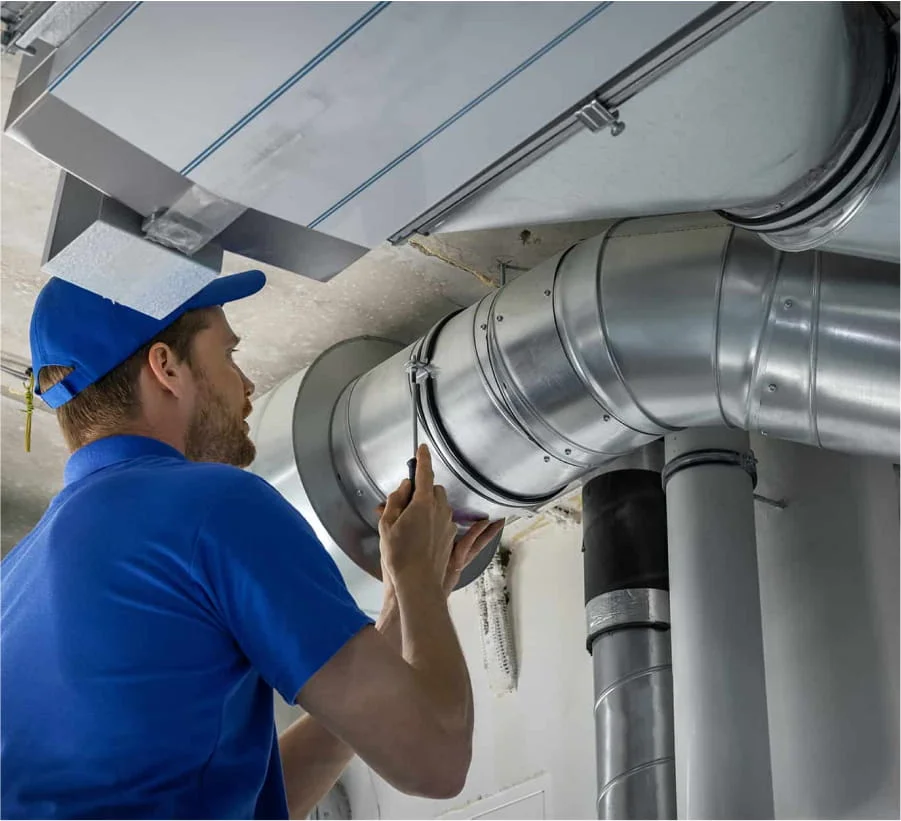
Air ducts are the backbone of any HVAC system. They carry heated or cooled air from your furnace or air conditioner to every room in your home or building. Over time, these ducts can develop leaks, cracks, or other issues that reduce airflow, increase energy bills, and affect indoor comfort. Ductwork repairs are essential to restore efficiency, maintain comfort, and protect indoor air quality.
Many homeowners overlook duct problems because ducts are hidden behind walls, ceilings, and floors. However, small leaks or damage can have a major impact on your HVAC system’s performance. Without proper repairs, even a new HVAC unit cannot deliver optimal comfort.
Ductwork repairs not only restore airflow but also help prevent long-term damage to the HVAC system. Timely repairs can reduce energy waste, lower utility costs, and create a healthier indoor environment. Understanding the causes, benefits, and repair process is crucial for maintaining a reliable HVAC system
What Are Ductwork Repairs?
Ductwork repairs involve fixing damaged, leaking, or poorly connected air ducts to improve airflow and HVAC efficiency. Unlike duct replacement, which involves removing old ducts and installing new ones, repairs focus on correcting specific issues in the existing duct system.
Repairs may include sealing leaks, reconnecting detached sections, replacing damaged insulation, or reinforcing joints. Professionals use high-quality sealants, mastic, or metal tape to ensure the ducts are airtight and properly supported.
Effective ductwork repairs restore proper airflow, balance air distribution across rooms, and improve energy efficiency without the cost of a full duct replacement. Repairs also help maintain indoor air quality by preventing contaminants from entering the system.
Common Signs You Need Ductwork Repairs
Several warning signs indicate that your ducts may need attention. Uneven heating or cooling is one of the most obvious indicators. If some rooms are too hot while others are too cold, leaks or blockages in the ducts may be the culprit.
Weak airflow from vents is another key sign. If your HVAC system is running but the air feels low or inconsistent, duct leaks or disconnections could be reducing airflow efficiency.
An unexplained increase in energy bills is also a sign. Damaged ducts allow conditioned air to escape, causing your HVAC system to work harder and consume more energy.
Additional signs include rattling, whistling, or banging noises from ducts, excessive dust around vents, musty odors, or visible signs of damage like rust or torn insulation. Ignoring these issues can lead to bigger problems and higher repair costs over time
Common Causes of Duct Damage
Understanding what causes duct problems can help prevent recurring issues after ductwork repairs. Aging is a major factor. Over time, metal ducts can rust, flexible ducts can sag or tear, and seals can dry out.
Poor installation is another frequent cause. If ducts are improperly sized, inadequately supported, or poorly connected, airflow problems and leaks can develop. Home renovations, structural shifts, or settling can also damage ducts.
Environmental factors such as moisture, temperature fluctuations, and pest infestations can further contribute to duct deterioration. Moisture can lead to rust or mold, while rodents can chew through flexible or fiberglass-lined ducts.
Knowing these causes allows homeowners to address the root of the problem during repairs and maintain long-term efficiency.
Benefits of Ductwork Repairs
There are several benefits to timely ductwork repairs. The most immediate improvement is enhanced airflow. Sealing leaks and fixing disconnections restores the proper flow of heated or cooled air to all rooms.
Energy efficiency is another major benefit. When ducts are leaking, your HVAC system must work harder to maintain the desired temperature. Repairs reduce air loss, allowing the system to operate more efficiently and lowering energy bills.
Indoor air quality improves after repairs as well. Leaky ducts can draw dust, allergens, and pollutants from attics, crawl spaces, or wall cavities into your living space. Proper sealing prevents contaminants from entering the airflow, creating a healthier home environment.
Repairs can also reduce noise. Old ducts may rattle, whistle, or vibrate due to loose connections or pressure imbalances. Fixing these issues can create a quieter and more comfortable indoor environment
Ductwork Repairs vs. Duct Replacement
Homeowners often wonder whether they should repair or replace ducts. Ductwork repairs are cost-effective for minor leaks, small disconnections, or localized issues. Repairs extend the life of your existing duct system and restore efficiency without the higher cost of replacement.
Duct replacement is necessary when the ducts are old, heavily damaged, rusted, contaminated, or poorly designed. In such cases, repairs may only provide temporary relief, and replacement offers a more reliable long-term solution.
Choosing between repairs and replacement depends on the extent of the damage, age of the system, and overall HVAC performance. A professional inspection is the best way to determine the right solution.
The Ductwork Repair Process
Professional ductwork repairs follow a systematic process to ensure effectiveness and long-term results. The first step is a full inspection to identify leaks, disconnected sections, and damaged insulation. Technicians may use thermal imaging, pressure testing, or visual inspection tools.
Once the problem areas are identified, ducts are cleaned if necessary. Removing dust, debris, or mold ensures a clean surface for sealing and prevents future contamination.
Next, damaged sections are repaired. Leaks are sealed with high-quality mastic or metal tape, loose connections are reattached, and torn insulation is replaced. In some cases, small sections of duct may need to be replaced if repairs are not sufficient.
Finally, airflow testing is performed to confirm that the system is working efficiently. This ensures that all rooms receive proper air distribution and that no leaks remain.
DIY vs. Professional Ductwork Repairs
While minor duct issues can sometimes be fixed by homeowners, most ductwork repairs require professional expertise. Simple leaks may be temporarily sealed with foil or duct tape, but these solutions are often ineffective in the long term.
Professional technicians have the tools, materials, and experience to identify hidden leaks, properly seal ducts, and ensure the system operates efficiently. They can also detect underlying issues such as poor duct design, pressure imbalances, or contamination that homeowners may miss.
Investing in professional repairs ensures long-lasting results, improved comfort, and energy savings. Attempting complex repairs without experience can lead to further damage and higher costs
Energy Efficiency and Cost Savings
Repairing ducts can have a significant impact on energy efficiency. Leaky ducts waste heated or cooled air, forcing the HVAC system to run longer and consume more energy. By sealing leaks and restoring proper airflow, repairs reduce energy usage and lower utility bills.
Properly repaired ducts also reduce wear and tear on the HVAC system. When air flows efficiently, the system does not have to overwork, which can extend its lifespan and reduce maintenance costs.
In many cases, the savings from improved energy efficiency can offset the cost of ductwork repairs, making it a smart investment for homeowners.
Indoor Air Quality Benefits
Damaged or leaky ducts can compromise indoor air quality by allowing dust, allergens, and pollutants to enter the airflow. Moisture in ducts can lead to mold growth, which further affects air quality and health.
By performing professional ductwork repairs, leaks are sealed, and any contamination is removed. This ensures that air delivered through vents is cleaner and healthier for residents. Proper insulation also helps prevent condensation, reducing the risk of mold and mildew
Maintenance Tips After Ductwork Repairs
Maintaining repaired ducts is essential to ensure long-term performance. Replace HVAC filters regularly to prevent dust and debris buildup. Keep vents unobstructed to allow balanced airflow throughout the home.
Schedule periodic HVAC inspections to detect early signs of leaks or inefficiency. Monitor airflow and energy bills to identify any sudden changes that may indicate duct issues.
Regular maintenance helps preserve the benefits of ductwork repairs, including improved comfort, energy savings, and better indoor air quality
Common Materials Used in Duct Repairs
Various materials are used in professional ductwork repairs depending on the system type and damage. Common materials include:
-
Mastic Sealant: A durable, long-lasting sealant for closing leaks and gaps in metal and flexible ducts.
-
Metal Foil Tape: Used to seal joints and small cracks in ductwork.
-
Replacement Duct Sections: For torn or damaged ducts that cannot be repaired.
-
Insulation Materials: To replace or reinforce damaged duct insulation, improving energy efficiency and airflow.
Using quality materials ensures repairs are long-lasting and maintain HVAC performance
Conclusion
Ductwork repairs are essential for maintaining a comfortable, energy-efficient, and healthy indoor environment. Leaks, cracks, and disconnected ducts can reduce airflow, increase energy bills, and compromise air quality.
Timely professional repairs restore proper airflow, improve HVAC efficiency, reduce energy costs, and enhance indoor air quality. Whether dealing with minor leaks or more extensive damage, repairing ducts is a cost-effective way to extend the life of your HVAC system and maintain home comfort.
If you notice uneven temperatures, weak airflow, high energy bills, or unusual noises from your ducts, scheduling a professional inspection and repair is the best way to ensure reliable performance.
FAQs About Ductwork Repairs
1. What are ductwork repairs?
Ductwork repairs involve fixing leaks, cracks, disconnected sections, or damaged insulation in HVAC ducts to restore proper airflow and system efficiency.
2. How do I know if my ducts need repairs?
Signs include uneven heating or cooling, weak airflow, high energy bills, rattling or whistling noises, excessive dust, or visible damage.
3. Are ductwork repairs better than replacement?
Repairs are cost-effective for minor issues, while replacement is ideal for old, heavily damaged, or inefficient ducts.
4. Can I repair ducts myself?
Minor leaks can be temporarily fixed, but most duct problems require professional expertise for long-term results.
5. How long do ductwork repairs last?
With proper materials and professional installation, repairs can last many years, maintaining airflow and efficiency.
6. Do duct repairs improve indoor air quality?
Yes, sealing leaks and removing contamination prevents dust, allergens, and pollutants from entering your home, improving air quality.
7. How much do ductwork repairs cost?
Costs vary depending on the extent of damage, duct material, accessibility, and labor rates. Minor repairs are generally affordable, while extensive repairs may cost more.
8. How often should ducts be inspected?
Annual inspections are recommended to detect leaks, blockages, or insulation issues before they affect efficiency or air quality.

 English
 Arabic
 French
 Spanish
 Portuguese
 Deutsch
 Turkish
 Dutch
Dutch
 Italiano
 Russian
 Romaian
 Portuguese (Brazil)