


Why Does Yoga Work Differently for Men Compared to Women?
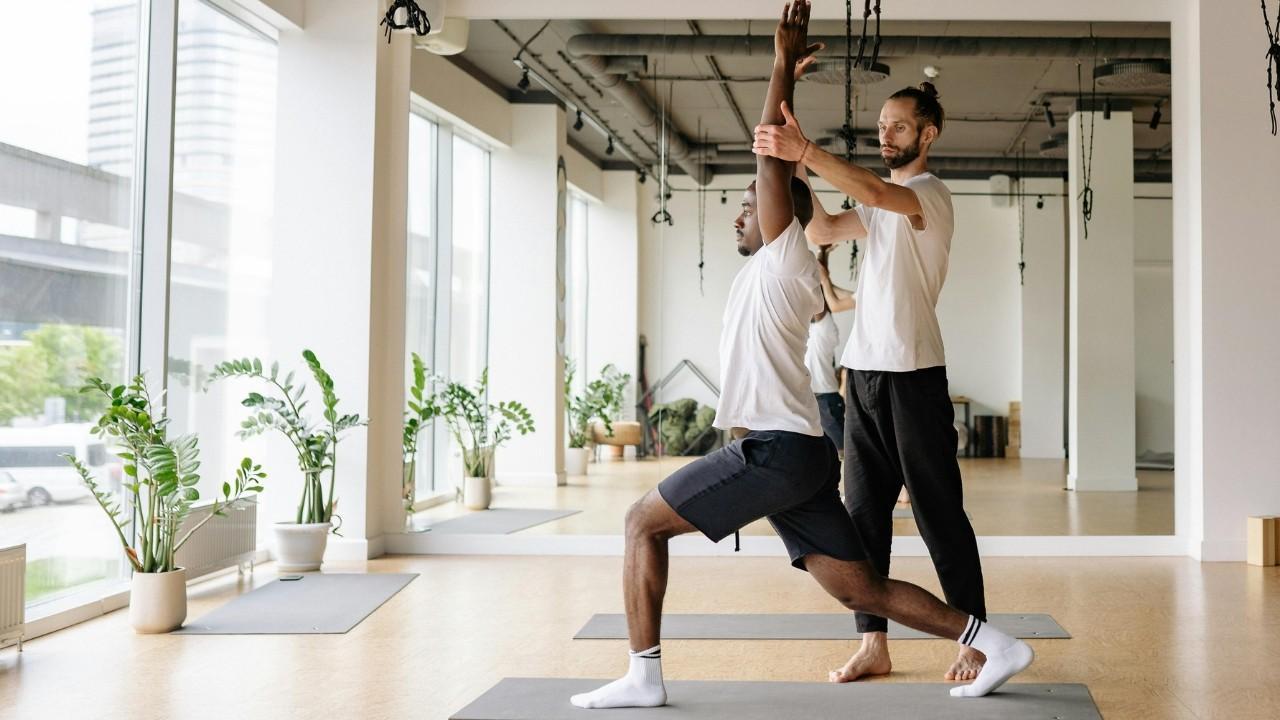
Understand why men and women experience yoga differently, from body mechanics to stress handling, and how yoga for men enhances posture, strength, and control.
Why Does Yoga Work Differently for Men Compared to Women?
Yoga affects men and women differently due to differences in muscle mass, flexibility, hormones, and training habits. Men often face tighter hips, hamstrings, and shoulders, and moving feels harder at first. Yoga for men helps balance strength, improve mobility, and reduce stress-related tension.
Introduction
Have you ever noticed that two people doing the same yoga pose feel completely different results? One person moves smoothly while the other struggles with stiffness or balance. This difference is not random; it comes from how the body is built and how it is trained over time.
When we talk about yoga for men, we are not talking about a separate version of yoga. We are talking about how the same practice interacts differently with a male body, lifestyle, and fitness background. And once this is understood, yoga becomes far more effective and practical.
Why the Male Body Responds Differently to Yoga
Men generally have higher muscle mass and tighter connective tissues compared to women. This often leads to reduced flexibility, especially in the hips, hamstrings, and lower back.
Most men also come from strength-based training backgrounds like weightlifting or sports, where muscles are trained to contract, not to lengthen. Because of this, slow mobility work in yoga can feel unfamiliar at first. This is where yoga for men plays a key role. It helps retrain movement patterns, not just stretch muscles.
Flexibility vs Strength Imbalance
One major difference is the balance between strength and flexibility. Women naturally tend to have more joint mobility, while men often develop more raw strength. This creates a gap where strength is high but mobility is limited.
Yoga helps bridge this gap by improving controlled movement. A consistent male yoga workout does not reduce strength; it supports it by improving range of motion and joint stability.
Hormones and Stress Response
Hormonal differences also affect how yoga is experienced. Men typically have higher testosterone levels, which support muscle growth and physical power. However, this can also lead to higher physical tension and slower recovery if not managed properly.
Yoga introduces controlled breathing and nervous system regulation, which reduces stress load and improve recovery. This is one reason why yoga for men is increasingly used alongside gym training and sports conditioning.
Lifestyle and Movement Patterns
Modern male lifestyles often involve long sitting hours, screen time, or repetitive gym workouts. These patterns create stiffness in specific muscle groups while ignoring others. Yoga corrects this imbalance by introducing full-body awareness. Instead of isolating muscles, it trains the body to move as a connected system. A structured male yoga workout helps restore natural posture, reduce back pain, and improve everyday movement efficiency.
Why Men Feel Yoga Is “Harder” at First
Many men feel yoga is difficult in the beginning, but not because it is weak or easy. It feels hard because it exposes hidden stiffness and lack of mobility. Unlike gym workouts, where strength can compensate for poor flexibility, yoga removes that compensation. It forces awareness of alignment, balance, and breath. Once this phase is passed, most people notice faster recovery, better movement control, and improved physical performance.
Mental Benefits That Often Get Ignored
Yoga is not only physical. One of the biggest differences in experience comes from mental response. Men often carry stress differently, holding it in the shoulders, jaw, and back. Yoga helps release this stored tension through breathwork and slow movement. Over time, yoga for men improves focus, emotional control, and sleep quality. These benefits often become the main reason people continue the practice.
How to Start a Male Yoga Workout Routine
There is no need to “perform” yoga perfectly. The goal is consistency and awareness.
A good starting point:
-
2–3 sessions per week
-
Focus on mobility-based poses
-
Slow breathing during movement
-
Gradual progression instead of force
A well-structured male yoga workout should feel challenging but not overwhelming. Progress comes from patience, not intensity.
Final Thoughts
Yoga works differently for men because the starting point is different, not the destination. The male body often begins with more strength but less flexibility, which changes the experience of every pose.
Once this is understood, yoga stops being confusing and becomes highly practical. Whether the goal is fitness, recovery, or mental clarity, yoga for men offers a complete system that supports both body and mind. In the end, yoga is not about changing who you are; it is about improving how your body moves through life.
Author Bio
A certified yoga instructor and fitness educator specializing in mobility, flexibility, and strength-based yoga practices. Focused on functional movement training that improves posture, balance, and body awareness. Helps individuals build consistent and sustainable yoga habits for long-term physical well-being.
FAQ Section
Q1: Why does yoga feel harder for men than women?
Yoga often feels harder for men because they usually have tighter hips, hamstrings, and shoulders due to strength-based training and daily movement habits. This limits flexibility in the early stages.
Q2: Is yoga for men different from regular yoga practice?
No, the practice is the same, but the results feel different because male body structure, muscle density, and mobility levels respond differently to stretching and slow movement.
Q3: Can yoga replace gym workouts for men?
Yoga can support or complement gym workouts but does not fully replace strength training. A balanced routine combining both works best for fitness and mobility.
Q4: What is a male yoga workout good for?
A male yoga workout helps improve flexibility, posture, joint health, stress control, and recovery, especially for men who do weight training or sit for long hours.
Q5: How often should men do yoga for best results?
Practicing yoga 2–4 times per week is enough for noticeable improvements in flexibility, strength, balance, and mental focus.

 Arabic
 French
 Spanish
 Portuguese
 Deutsch
 Turkish
 Dutch
Dutch
 Italiano
 Russian
 Romaian
 Portuguese (Brazil)
 Greek
Greek