


Air Conditioning Duct Repairs: The Complete Guide to Restoring HVAC Efficiency and Home Comfort
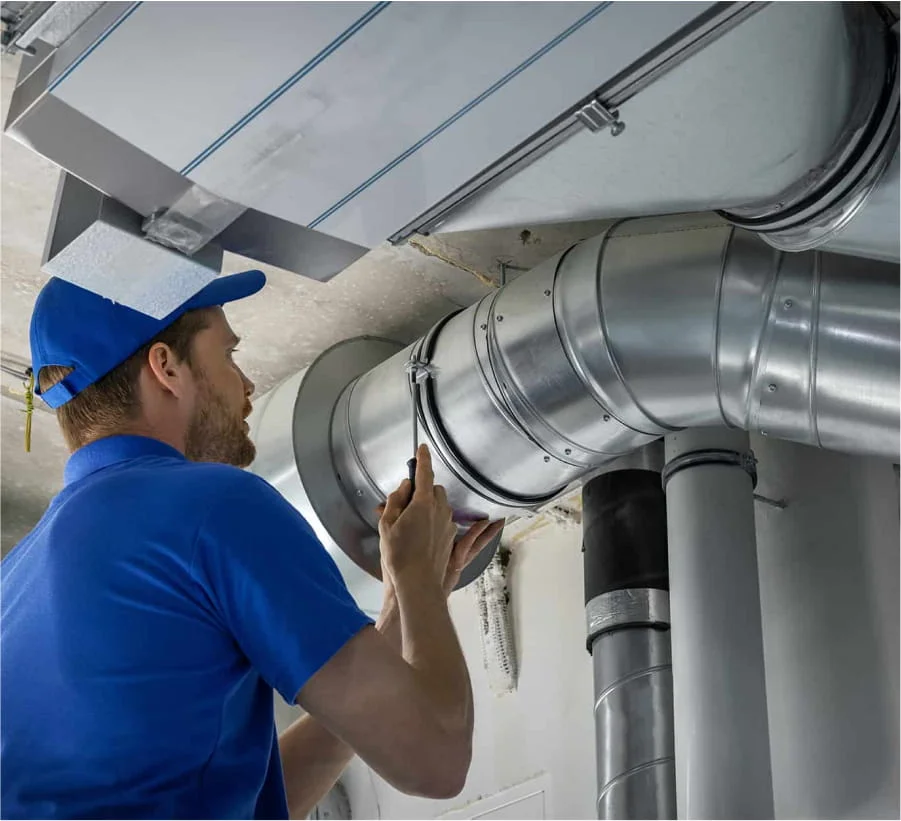
Your air conditioning system relies on more than just the indoor and outdoor units to keep your property cool and comfortable. One of the most important components of the entire HVAC system is the ductwork. Air ducts are responsible for distributing conditioned air throughout your home or commercial building. When ducts become damaged, disconnected, blocked, or leaky, your air conditioning system cannot perform efficiently.
Many homeowners focus on servicing the AC unit itself while overlooking the duct network hidden behind walls, ceilings, attics, and crawl spaces. However, damaged ductwork can lead to higher energy bills, poor airflow, uneven temperatures, and reduced indoor air quality.
Professional air conditioning duct repairs help restore proper airflow, improve system efficiency, and extend the lifespan of your HVAC equipment. Whether you're dealing with minor leaks or major duct damage, timely repairs can prevent costly replacements and improve overall comfort.
This guide explains everything you need to know about air conditioning duct repairs, including common problems, warning signs, repair methods, costs, benefits, and maintenance tips.
What Are Air Conditioning Duct Repairs?
Air conditioning duct repairs involve identifying and fixing problems within the duct system that distributes cooled air throughout a property.
Repairs may include:
-
Sealing air leaks
-
Reconnecting disconnected ducts
-
Replacing damaged duct sections
-
Repairing insulation
-
Fixing crushed or collapsed ducts
-
Removing blockages
-
Correcting airflow restrictions
The primary goal is to restore efficient airflow and ensure conditioned air reaches every room as intended.
Why Ductwork Is Important
Your duct system serves as the delivery network for your air conditioning system.
Without properly functioning ducts, even the most efficient air conditioner can struggle to maintain comfortable temperatures.
Quality ductwork provides:
-
Consistent cooling
-
Balanced airflow
-
Improved energy efficiency
-
Better indoor air quality
-
Reduced strain on HVAC equipment
When duct problems develop, overall system performance can decline significantly.
Common Air Conditioning Duct Problems
Over time, ducts can experience various forms of wear and damage.
Air Leaks
Air leaks are one of the most common duct issues.
Small gaps, cracks, or loose connections allow conditioned air to escape before reaching occupied spaces.
This energy loss forces your AC system to work harder.
Disconnected Duct Sections
Duct sections may become disconnected due to age, poor installation, vibration, or structural movement.
Disconnected ducts can release large amounts of conditioned air into attics, crawl spaces, or wall cavities.
Crushed or Collapsed Ducts
Flexible ductwork can become crushed by stored items, construction activity, or poor installation.
Restricted airflow reduces cooling efficiency and increases system strain.
Damaged Insulation
Insulation protects cooled air from temperature loss as it travels through the duct system.
Damaged insulation can reduce efficiency and increase energy costs.
Dust and Debris Buildup
Accumulated dust, dirt, and debris can restrict airflow and reduce system performance.
Rodent and Pest Damage
Rodents may chew through duct materials and insulation, creating leaks and contamination issues.
Signs You Need Air Conditioning Duct Repairs
Recognizing early warning signs can help prevent more serious HVAC problems.
Uneven Cooling
If some rooms feel significantly warmer than others, duct damage may be affecting airflow distribution.
Weak Airflow
Low airflow from vents often indicates leaks, blockages, or damaged ducts.
High Energy Bills
Unexpected increases in cooling costs may result from air escaping through damaged ductwork.
Excessive Dust
Leaking ducts can pull dust and contaminants into the system and distribute them throughout the property.
Strange Noises
Whistling, rattling, buzzing, or banging sounds can indicate damaged duct connections or airflow restrictions.
Hot and Cold Spots
Inconsistent temperatures often suggest airflow imbalances caused by duct issues.
Poor Indoor Air Quality
Damaged ducts may contribute to dust accumulation, allergens, and airborne contaminants.
Causes of Duct Damage
Several factors contribute to duct deterioration.
Age and Wear
Most duct systems last between 15 and 25 years.
Over time, materials naturally deteriorate and become less effective.
Poor Installation
Improperly installed ducts often develop problems sooner than professionally designed systems.
Temperature Fluctuations
Repeated heating and cooling cycles cause expansion and contraction, which can weaken duct connections.
Moisture Exposure
Excess moisture can damage insulation, encourage mold growth, and accelerate deterioration.
Pest Activity
Rodents and insects can damage duct materials and insulation.
Home Renovations
Construction projects can accidentally damage ductwork hidden within walls, ceilings, or roof spaces.
Benefits of Professional Air Conditioning Duct Repairs
Timely repairs provide several important advantages.
Improved Energy Efficiency
Repairing leaks and damaged sections reduces energy loss and improves cooling performance.
Lower Utility Bills
Efficient airflow helps reduce operating costs and monthly electricity expenses.
Better Indoor Comfort
Restored airflow improves temperature consistency throughout the property.
Enhanced Indoor Air Quality
Sealed ducts reduce dust, allergens, and contaminants entering the system.
Reduced HVAC Wear
Efficient airflow reduces strain on air conditioning components.
Extended Equipment Lifespan
A properly functioning duct system helps your HVAC equipment last longer.
Types of Air Conditioning Duct Repairs
Duct Sealing
Sealing leaks is one of the most common repair services.
Professionals use specialized materials such as:
-
Mastic sealant
-
Foil tape
-
Aerosol sealing systems
These methods prevent conditioned air from escaping.
Duct Reconnection
Disconnected sections are reattached and secured to restore proper airflow.
Duct Replacement Sections
Severely damaged portions of ductwork may need replacement.
Only affected sections are removed while the remaining system stays intact.
Insulation Repairs
Damaged insulation is replaced to improve thermal performance.
Airflow Balancing
Technicians adjust airflow distribution to ensure every room receives adequate cooling.
Vent and Register Repairs
Damaged vents and registers can also impact airflow and may require repair or replacement.
How Professionals Diagnose Duct Problems
Professional HVAC technicians use various methods to locate duct issues.
Visual Inspection
Accessible sections of ductwork are examined for visible damage.
Airflow Testing
Technicians measure airflow at vents to identify restrictions and imbalances.
Pressure Testing
Specialized equipment measures pressure loss within the duct system.
Smoke Testing
Smoke can reveal leaks and airflow disruptions.
Thermal Imaging
Infrared cameras help identify hidden leaks and insulation problems.
Air Conditioning Duct Repair Costs
Repair costs vary depending on the extent of damage and accessibility.
Common factors affecting costs include:
-
Size of the duct system
-
Location of damage
-
Duct material
-
Accessibility
-
Labor requirements
-
Insulation replacement needs
Minor repairs may cost a few hundred dollars, while extensive repairs involving multiple sections can cost significantly more.
Obtaining multiple professional quotes is recommended.
Repair vs Replacement
Homeowners often wonder whether repairs are sufficient or if replacement is necessary.
Repairs are usually appropriate when:
-
Damage is localized
-
Ducts are relatively new
-
Leaks are minor
-
Structural integrity remains intact
Replacement may be recommended when:
-
Ductwork is more than 20 years old
-
Extensive damage exists
-
Multiple repairs have already been performed
-
Mold contamination is widespread
-
Efficiency remains poor despite repairs
A professional assessment can help determine the best solution.
Preventing Future Duct Problems
Preventive maintenance reduces the likelihood of costly repairs.
Schedule Regular HVAC Inspections
Routine inspections help identify issues before they worsen.
Change Air Filters Regularly
Clean filters improve airflow and reduce stress on the system.
Keep Vents Unobstructed
Ensure furniture and household items do not block vents.
Monitor Energy Usage
Unexpected increases in utility bills may indicate duct issues.
Inspect Attics and Crawl Spaces
Check accessible ductwork for visible damage or loose connections.
Address Moisture Problems Quickly
Prevent water damage by maintaining proper insulation and ventilation.
Why Timely Duct Repairs Matter
Ignoring duct problems can lead to larger HVAC issues.
Delayed repairs may result in:
-
Higher energy costs
-
Reduced cooling capacity
-
Increased equipment wear
-
Poor indoor air quality
-
Expensive future repairs
Addressing problems early often saves money and improves system performance.
Choosing a Professional Duct Repair Company
Selecting a qualified HVAC contractor is essential.
Look for providers that offer:
-
Licensed technicians
-
Experience with duct systems
-
Detailed inspections
-
Transparent pricing
-
Positive customer reviews
-
Warranty coverage
An experienced contractor can accurately diagnose and repair duct issues while ensuring long-term reliability.
Conclusion
Your ductwork plays a critical role in the performance of your air conditioning system. Even minor leaks or damage can reduce efficiency, increase operating costs, and compromise indoor comfort.
Professional air conditioning duct repairs help restore proper airflow, improve energy efficiency, and enhance indoor air quality. Whether you're experiencing uneven cooling, rising electricity bills, or weak airflow, addressing duct problems promptly can protect your HVAC investment and improve your overall comfort.
Regular inspections, timely repairs, and proper maintenance will keep your duct system operating efficiently for years to come.
Frequently Asked Questions
What are the most common air conditioning duct repairs?
The most common repairs include sealing leaks, reconnecting duct sections, replacing damaged ducts, repairing insulation, and correcting airflow restrictions.
How do I know if my ducts need repair?
Signs include uneven cooling, weak airflow, rising energy bills, excessive dust, strange noises, and poor indoor air quality.
Can leaking ducts increase electricity bills?
Yes. Leaking ducts allow conditioned air to escape, forcing the air conditioning system to work harder and consume more energy.
How long do air conditioning ducts typically last?
Most duct systems last between 15 and 25 years, depending on installation quality, maintenance, and environmental conditions.
Are duct repairs better than duct replacement?
Repairs are often sufficient for localized damage. Replacement may be necessary for older systems with extensive deterioration.
Can damaged ducts affect indoor air quality?
Yes. Leaks can allow dust, allergens, mold spores, and contaminants to enter the airflow.
How much do air conditioning duct repairs cost?
Costs vary based on the extent of damage, accessibility, and materials. Minor repairs may cost a few hundred dollars, while major repairs can be more expensive.
Can I repair air conditioning ducts myself?
Small visible issues may be addressed temporarily, but professional repairs are recommended to ensure proper sealing, airflow, and long-term performance.
How often should ductwork be inspected?
Most HVAC professionals recommend a duct inspection every one to three years or whenever airflow problems arise.
Do duct repairs improve HVAC efficiency?
Yes. Properly repaired ducts reduce air loss, improve airflow, and help your HVAC system operate more efficiently.
SEO Meta Title: Air Conditioning Duct Repairs | Improve HVAC Efficiency & Airflow
SEO Meta Description: Learn everything about air conditioning duct repairs, including signs of damage, repair methods, costs, benefits, maintenance tips, and FAQs for improved HVAC performance.

 English
 Arabic
 French
 Spanish
 Portuguese
 Deutsch
 Turkish
 Dutch
Dutch
 Russian
 Romaian
 Portuguese (Brazil)
 Greek
Greek