


How Long Does Vinyl Wrap for a Car Last, and What Impacts It
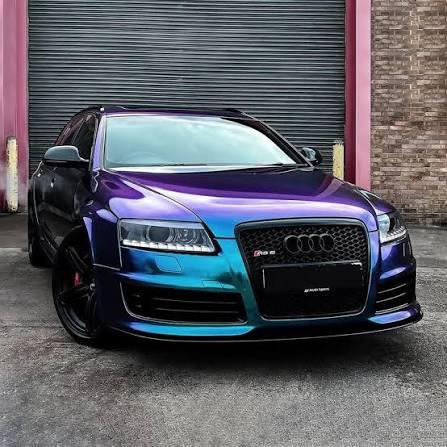
A vinyl wrap for a car typically lasts 3–7 years depending on material quality, installation, and care. Its vinyl wrap durability is mainly affected by sun exposure, weather conditions, driving habits, and maintenance routines. Proper care can significantly extend its lifespan.
Introduction
If you are considering a vinyl wrap for a car, the first practical question is not about color or style; it is about time. How long will it actually last on your vehicle, and what makes it wear out faster or slower?
The answer is not fixed. A protective automotive film can perform very differently depending on how and where it is used. Some stay fresh for years, while others start showing damage much earlier. Understanding the real factors behind vinyl wrap durability helps you avoid unrealistic expectations and make a smarter decision.
In most real-world cases, a high-quality vehicle wrap lasts between 3 to 7 years. This range depends heavily on material grade, installation execution, and daily driving environments:
-
Basic or low-grade vinyl: Around 3–4 years
-
Mid-range professional wrap: 4–6 years
-
Premium installed wrap: Up to 7 years or more
Beyond the material grade itself, small technical details during application heavily influence long-term performance. Surface preparation quality, panel stretching accuracy, and edge sealing precision all dictate how well the film holds up over time. Poor finishing in these areas often leads to early lifting at corners or seams, which shortens overall service life even if the vinyl itself is premium quality.
What Impacts Vehicle Wrap Lifespan?
1. Sun Exposure and UV Rays
Direct sunlight is one of the biggest reasons an exterior automotive wrap fades or weakens. Constant UV exposure can cause discoloration and drying of the material over time. Cars parked outdoors daily will always show lower resilience compared to garage-kept vehicles.
2. Climate and Weather Conditions
Heat, rain, dust, and humidity all affect an exterior finish differently.
-
Hot climates: Faster fading and adhesive weakening.
-
Cold climates: Slight cracking risk in lower-quality vinyl sheets.
-
Dusty environments: Abrasive surface wear and a dull appearance.
3. Installation Quality
Even premium material will fail early if the application is rushed. A properly installed vinyl wrap for a car ensures smooth adhesion, zero air bubbles, and clean edge sealing. Bad installation reduces lifespan immediately, sometimes cutting the wrap's longevity by half.
4. Maintenance Routine
How you clean your vehicle matters more than most people expect. Harsh washing methods, strong chemicals, or high-pressure water directed at the edges can damage an adhesive film. Gentle cleaning helps maintain surface integrity and extends overall vinyl wrap durability.
5. Driving Conditions
Frequent highway driving, gravel roads, and rough usage increase physical wear. Small stone impacts and friction gradually degrade the outer layer over time.
Signs That a Vehicle Wrap Is Wearing Out
A car wrap does not fail suddenly. It shows early warning signs that its lifespan is coming to an end:
-
Edge peeling or lifting
-
Severe color fading or cloudiness
-
Loss of gloss or original finish
-
Small hairline cracks on the surface
-
Air pockets appear under the film
Once these signs start spreading across panels, the underlying protection has been compromised.
Simple Ways to Extend Lifespan
To maximize how long your automotive film stays pristine:
-
Park in shade, a garage, or use a breathable car cover.
-
Wash gently by hand with mild, wrap-safe soap.
-
Avoid automatic mechanical brush car washes completely.
-
Clean bird droppings and dirt regularly before they bake into the film.
-
Address and fix small edge lifts early before they spread.
Conclusion
A vinyl wrap for a car is not defined by a fixed timeline alone. While the average range stays between 3 and 7 years, actual vinyl wrap durability depends on sun exposure, climate, installation quality, and maintenance habits. If these environmental and care factors are managed properly, the wrap becomes a highly practical, long-term styling and protection option for any vehicle.
Author Bio
Written by an automotive surface protection specialist with experience in vehicle wrapping systems, adhesive film technologies, and exterior finish preservation. The focus is on evaluating real-world vinyl wrap performance, installation standards, and environmental impact on durability. Content is developed based on applied industry knowledge of vehicle detailing and protective surface solutions.
FAQs
1. How long does a vinyl wrap for a car usually last?
It typically lasts between 3 to 7 years. The exact lifespan depends on the quality of the material used, installation standards, environmental exposure, and how it is cleaned.
2. What reduces vinyl wrap durability the most?
The biggest culprits are constant UV exposure from direct sunlight, poor surface preparation during installation, harsh automatic car washes, and extreme weather conditions like intense heat or humidity.
3. Can a vehicle wrap last more than 7 years?
Yes. Under controlled conditions, such as being kept in a climate-controlled garage, receiving professional installation, and being hand-washed regularly, a premium wrap can comfortably exceed 7 years.
4. Does the washing method affect how long it lasts?
Absolutely. High-pressure washing too close to the edges, abrasive automated brushes, and harsh chemical cleaners will weaken the adhesive bond and degrade the vinyl surface prematurely.
5. Is a wrap better than repainting in terms of lifespan?
Automotive paint has a much longer overall lifespan, but a wrap offers easier removal, lower upfront costs, and excellent protection for the factory clear coat, making it a more flexible mid-term solution.

 English
 Arabic
 French
 Spanish
 Portuguese
 Turkish
 Dutch
Dutch
 Italiano
 Russian
 Romaian
 Portuguese (Brazil)
 Greek
Greek