


How can Real-Time Vehicle Imaging Improve Perimeter Security?
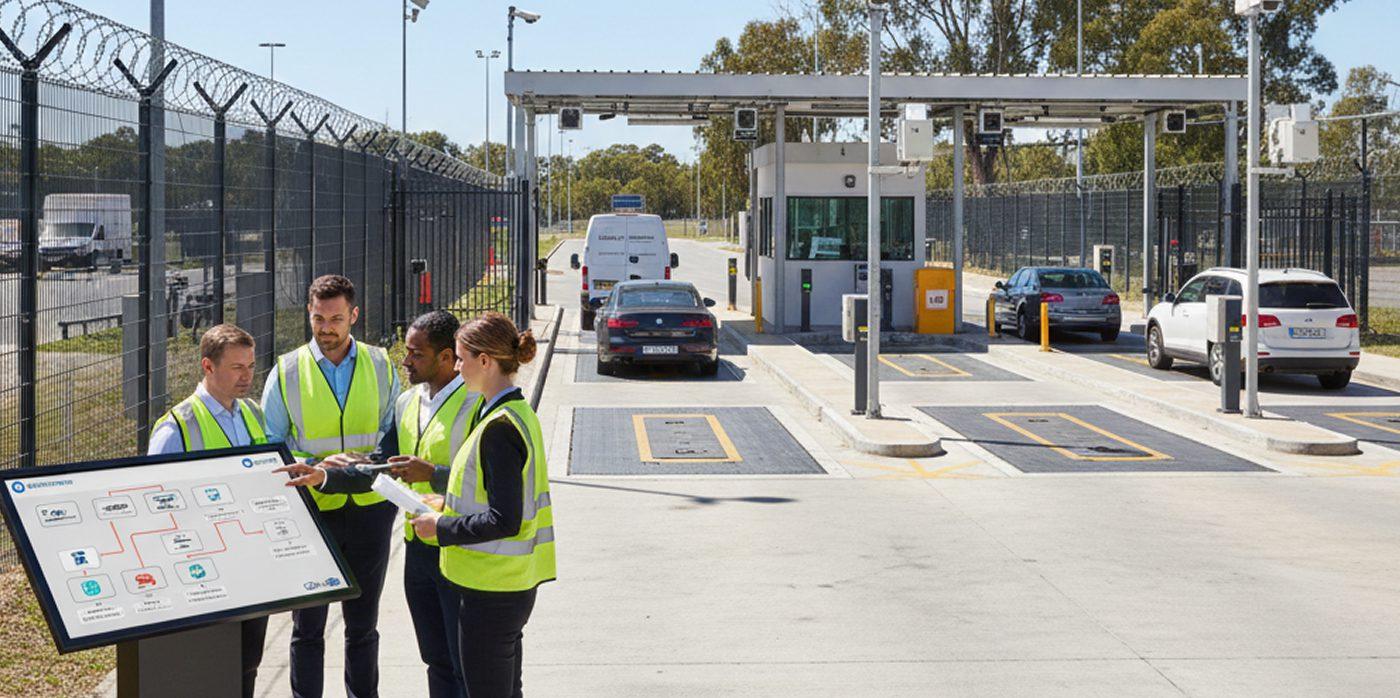
As security threats continue to evolve, organizations responsible for protecting critical infrastructure, government facilities, airports, ports, logistics hubs, industrial plants, and commercial properties are searching for more effective ways to secure their perimeters. Commport Technologies, a trusted supplier of advanced License Plate Recognition (LPR) systems, helps organizations improve vehicle monitoring and access control through intelligent security solutions designed for modern operational challenges.
One of the most significant developments in perimeter protection is real-time vehicle imaging. By combining high-speed imaging, automated identification, under vehicle inspection, and data-driven monitoring, security teams can detect threats faster and make informed decisions before a vehicle enters a protected area. When integrated with advanced vehicle inspection technologies, real-time imaging creates a powerful layer of defense against unauthorized access, contraband transportation, and potential security breaches.
The Growing Challenge of Vehicle-Based Security Threats
Problem: Vehicles Have Become a Common Security Vulnerability
Many organizations focus heavily on protecting buildings, personnel, and digital infrastructure while overlooking the risks posed by incoming vehicles. Cars, trucks, delivery vans, and commercial transport vehicles can be used to carry unauthorized items, conceal dangerous materials, or gain access through stolen credentials.
Traditional gate inspections often rely on manual verification procedures that can be inconsistent, time-consuming, and prone to human error. Security personnel may struggle to inspect every vehicle thoroughly during busy operational periods.
Solution: Real-Time Vehicle Imaging Provides Immediate Visibility
Real-time vehicle imaging captures detailed visual information as vehicles approach entry points. High-resolution cameras automatically record vehicle characteristics, license plates, body conditions, and movement patterns without interrupting traffic flow.
This instant visibility allows security operators to identify suspicious vehicles quickly and verify vehicle information before granting access. Automated imaging significantly reduces reliance on manual observation while improving inspection consistency.
The Hidden Threat Beneath Every Vehicle
Problem: Dangerous Items Can Be Concealed Under Vehicles
One of the most overlooked security risks involves the underside of vehicles. Unauthorized objects, contraband, tracking devices, weapons, or explosive materials can be attached beneath a vehicle where they remain difficult to detect during routine inspections.
For facilities handling sensitive operations, missing such threats can have severe consequences.
Solution: Advanced Under Vehicle Inspection Technology
Modern under vehicle inspection systems capture detailed images of a vehicle's underside while it moves through a designated inspection area. Security personnel receive a comprehensive view of components that would otherwise require lengthy manual examination.
By automatically scanning and recording undercarriage images, organizations can detect unusual modifications, hidden objects, and suspicious anomalies with greater accuracy and efficiency.
This capability strengthens perimeter protection while maintaining smooth vehicle throughput at busy checkpoints.
Challenges in Identifying Authorized and Unauthorized Vehicles
Problem: Manual Identity Verification Slows Operations
Facilities with high vehicle traffic often face difficulties verifying every incoming vehicle. Manual checks can create bottlenecks, increase wait times, and reduce operational efficiency.
At the same time, unauthorized vehicles may attempt to enter using forged credentials or stolen access permissions.
Solution: LPR Systems Deliver Automated Vehicle Recognition
License Plate Recognition technology automatically captures and analyzes license plate information as vehicles approach entry points.
Instead of relying solely on human operators, LPR systems compare captured plate data against approved vehicle databases, watchlists, visitor records, and access control systems.
This automated verification process enables faster decision-making while reducing the likelihood of unauthorized entry.
Limited Security Awareness Across Multiple Entry Points
Problem: Security Teams Lack Unified Vehicle Intelligence
Large facilities often have multiple gates, checkpoints, loading areas, and service entrances. Monitoring all vehicle activity across these locations can be difficult when security systems operate independently.
Without centralized visibility, suspicious behavior may go unnoticed.
Solution: Integrated Security Platforms Create Complete Situational Awareness
Real-time vehicle imaging systems can share data across a centralized security platform. Vehicle images, license plate information, inspection records, and historical access logs become available through a unified dashboard.
Security teams gain a complete picture of vehicle activity across the entire site, allowing them to identify unusual patterns, investigate incidents, and respond proactively to potential threats.
Increasing Threats to Critical Infrastructure
Problem: Critical Facilities Face Sophisticated Security Risks
Government installations, power plants, transportation hubs, military facilities, and industrial complexes are increasingly targeted by sophisticated threat actors. Traditional inspection procedures may not provide sufficient protection against modern attack methods.
Security teams require technologies capable of identifying threats before they reach sensitive areas.
Solution: Layered Vehicle Screening Enhances Protection
Combining real-time imaging, automated identification, and undercarriage inspection creates a multi-layered security strategy.
When a vehicle approaches a checkpoint, multiple technologies simultaneously analyze its identity, physical condition, and concealed areas. This comprehensive inspection process improves threat detection and reduces the chances of dangerous vehicles entering protected zones.
Organizations implementing a uvss system alongside advanced imaging and identification technologies can significantly strengthen their perimeter defenses while maintaining operational efficiency.
Managing High Traffic Volumes Without Sacrificing Security
Problem: Security Delays Affect Productivity
Logistics centers, airports, ports, and manufacturing facilities process hundreds or even thousands of vehicles daily. Thorough inspections are essential, but lengthy screening procedures can cause delays that impact operations and customer satisfaction.
Solution: Automated Screening Maintains Efficiency
Real-time vehicle imaging enables inspections to occur while vehicles remain in motion. Automated data capture reduces manual intervention and speeds up processing times.
Security teams receive immediate information, allowing them to focus attention on vehicles that require additional investigation while allowing authorized vehicles to proceed without unnecessary delays.
The result is stronger security without compromising productivity.
Difficulty Investigating Security Incidents
Problem: Limited Evidence Complicates Investigations
When security incidents occur, investigators often struggle to reconstruct vehicle movements due to incomplete records or missing visual evidence.
Without reliable documentation, identifying responsible parties becomes more difficult.
Solution: Comprehensive Digital Records Support Investigations
Real-time vehicle imaging systems automatically store vehicle images, license plate data, timestamps, inspection results, and access records.
These digital records provide valuable forensic evidence for investigations, compliance reporting, and security audits. Historical data also helps organizations analyze trends and improve future security strategies.
The Power of LPR and Under Vehicle Inspection Integration
Problem: Standalone Security Systems Leave Gaps
Individual security technologies offer valuable protection, but operating them separately can create blind spots.
For example, a vehicle may possess an authorized license plate while carrying concealed threats beneath its chassis.
Solution: Combined Technologies Deliver Superior Threat Detection
Integrating LPR systems with under vehicle inspection technology creates a more comprehensive vehicle screening process.
The LPR component verifies vehicle identity, while the undercarriage inspection system examines hidden areas for suspicious objects or modifications. Real-time imaging adds another layer by capturing the vehicle's overall condition and appearance.
Together, these technologies provide a complete vehicle profile, helping security personnel make faster and more informed decisions.
Conclusion
Modern organizations face increasingly complex vehicle-related security challenges. Unauthorized access attempts, concealed threats, operational bottlenecks, and limited visibility can expose critical facilities to significant risks.
Real-time vehicle imaging addresses these challenges by providing immediate visual intelligence, automated monitoring, and comprehensive documentation. When combined with advanced LPR systems and under vehicle inspection technologies, organizations gain a powerful solution for identifying vehicles, detecting threats, improving screening accuracy, and strengthening perimeter security.
For critical infrastructure, government facilities, industrial sites, logistics hubs, airports, ports, and commercial properties, integrated vehicle security technologies offer a practical and effective way to balance operational efficiency with robust protection. By adopting a layered vehicle screening approach, organizations can better safeguard their assets, personnel, and operations against evolving security threats.


 English
 Arabic
 French
 Spanish
 Portuguese
 Deutsch
 Turkish
 Dutch
Dutch
 Italiano
 Russian
 Portuguese (Brazil)
 Greek
Greek