


Why Soft Jaws Are Essential for Delicate Workpieces
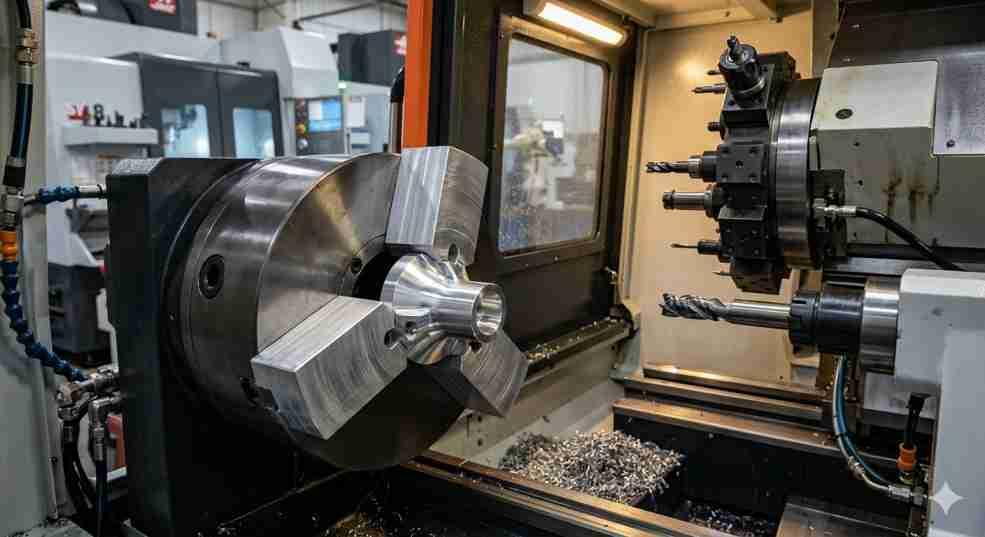
In modern machining, even one damaged part can cost hundreds or thousands of dollars. This is why many machine shops use soft jaws when working with delicate or high-value materials. Hard steel jaws can leave scratches, crush thin walls, or create alignment problems during machining. Soft jaws help solve these issues by providing a safer and more stable grip.
Whether you work with aluminum, brass, plastic, or thin-walled components, soft jaws can reduce scrap rates, improve precision, and save valuable machining time. In this guide, we will explain how soft jaws work, why they are important, and how to choose the right type for your machining projects.
What Are Soft Jaws and How Do They Work?
Soft jaws are replaceable chuck jaws made from softer materials than standard hardened steel jaws. They are designed to hold delicate workpieces without damaging the surface.
Materials and Composition
Soft jaws are commonly made from:
- Aluminum
- Nylon
- Brass
- Plastic composites
These materials are softer than steel, which helps protect the workpiece during clamping. The hardness of the jaw material directly affects how much pressure is transferred to the part.
For example:
- Aluminum soft jaws provide strong grip and good rigidity.
- Nylon jaws are softer and ideal for cosmetic finishes.
- Plastic jaws work well for lightweight and fragile parts.
Different materials also have different shore hardness levels. Softer jaws reduce the chance of dents, scratches, and deformation on sensitive materials.
The Mechanics of Grip
Soft jaws improve grip by spreading clamping pressure over a larger surface area. Instead of applying force at a few sharp contact points, they support more of the workpiece evenly.
One major advantage is custom shaping. Machinists can bore or machine the jaws to match the exact shape of the part. This creates a secure fit for round, square, or unusual geometries.
Standard jaws come in basic shapes, while custom-bored jaws are made specifically for one workpiece. Custom jaws improve repeatability and reduce movement during machining.
When to Choose Soft Over Hard Jaws
Soft jaws are the better choice when:
- Surface finish is important
- Parts have thin walls
- Materials are soft or fragile
- Small production batches require repeat accuracy
For example, mirror-finished aluminum parts can easily get jaw marks from hard steel jaws. Thin tubes may also collapse under heavy pressure. Soft jaws reduce these risks significantly.
Preventing Surface Damage and Deformation
One of the biggest reasons shops use soft jaws is to protect expensive workpieces from damage.
Eliminating Marring and Tool Marks
Hard jaws often leave visible marks on finished surfaces. These jaw marks can ruin the appearance and accuracy of the part.
Soft jaws help eliminate:
- Scratches
- Dents
- Pressure marks
- Surface distortion
In aerospace machining, surface integrity is extremely important. Aluminum aircraft components often require perfect finishes with tight tolerances. Soft jaws help maintain these standards without damaging the part.
By preventing surface damage, shops can also reduce secondary operations like polishing, sanding, or refinishing. This saves time and labor costs.
Managing Clamping Pressure
Thin-walled parts are especially sensitive to clamping pressure. Too much force can crush or deform the material during machining.
Soft jaws absorb part of the clamping force, reducing stress on the workpiece. Nylon jaws are especially useful for fragile components because they provide cushioning while still maintaining grip.
Many machine shops report a major reduction in part deformation after switching from steel jaws to nylon or aluminum soft jaws. In some cases, deformation rates can drop by more than 30%.
Handling Exotic and Soft Materials
Soft jaws are ideal for materials such as:
- Brass
- Copper
- Acrylic
- Engineering plastics
- Composite materials
These materials can easily scratch or react with harder metals. Soft jaws reduce the chance of galling and surface reactions between the jaw and workpiece.
Some specialty industries even use soft jaws for holding polished gemstones or glass components. In these cases, grip control and surface protection are critical.
Increasing Precision and Stability
Soft jaws not only protect parts but also improve machining precision.
Custom Contouring for Complex Shapes
One of the biggest advantages of soft jaws is custom contouring. Machinists can bore the jaws to perfectly match the profile of the workpiece.
Benefits include:
- Better contact area
- Improved stability
- Reduced movement during cutting
For example, holding a spherical part with standard jaws is difficult. Custom-bored soft jaws can grip the curved surface evenly without requiring additional fixtures like V-blocks.
More contact points also help distribute cutting forces evenly across the part.
Reducing Vibration and Chatter
Machining vibration can reduce surface quality and damage cutting tools. Soft jaws help absorb some of these vibrations during high-speed operations.
This damping effect helps:
- Improve surface finish
- Lower roughness (Ra) values
- Reduce chatter marks
- Extend tool life
When vibration is reduced, cutting tools experience less stress and wear. This improves machining consistency and lowers tooling costs over time.
Improving Concentricity and Alignment
Keeping the workpiece centered is essential for precision machining. Soft jaws help improve concentricity by creating a custom fit around the part.
This reduces:
- Part shifting
- Runout
- “Walk” during heavy cuts
Experienced machinists often recommend carefully squaring custom jaws to the chuck before machining. Proper alignment ensures repeatable accuracy across multiple parts.
Efficiency and Cost Savings in the Shop
Soft jaws may seem like a small investment, but they can save shops a significant amount of money.
Reducing Scrap Rates
Scrapped parts are expensive. A single damaged aerospace or medical component can cost far more than a complete set of soft jaws.
For example:
- One ruined precision part = hundreds of dollars lost
- One set of soft jaws = long-term protection for multiple jobs
A medical device manufacturer reported reducing production waste by 15% after switching to custom soft jaws for delicate components.
Soft jaws also reduce the chance of operator error during clamping because the setup is more forgiving.
Faster Setup Times for Repeat Orders
Custom-bored jaws can be stored and reused for repeat jobs. This saves setup time because machinists do not need to recreate the gripping solution every time.
Benefits include:
- Faster machine setup
- Improved repeatability
- Less trial and error
- Better workflow for small batches
Shops that frequently produce repeat orders can save many hours each month using pre-machined soft jaws.
Tooling Longevity
Soft jaws also help protect the main chuck system.
They reduce wear on:
- Master jaws
- Chuck surfaces
- Clamping components
Instead of replacing expensive chuck assemblies, machinists can simply replace worn soft jaws. This lowers long-term tooling costs and extends equipment life.
Best Practices for Selecting and Using Soft Jaws
Choosing the correct soft jaws is important for getting the best results.
Choosing the Right Material for the Job
Different materials work better for different applications.
Aluminum Soft Jaws
- Best for heavy cuts
- Strong and rigid
- Good for CNC turning applications
Nylon or Plastic Soft Jaws
- Best for delicate finishes
- Ideal for lightweight materials
- Excellent for cosmetic parts
Quick pairing examples:
| Workpiece Material | Recommended Jaw Material |
|---|---|
| Aluminum Parts | Aluminum Soft Jaws |
| Brass Components | Nylon Jaws |
| Plastic Parts | Plastic Jaws |
| Thin Tubes | Nylon Soft Jaws |
Choosing the correct jaw material improves both safety and machining performance.
Boring and Shaping Techniques
Proper boring techniques are essential for accurate gripping.
Basic steps include:
- Mount the soft jaws on the chuck.
- Apply boring pressure using a ring or spacer.
- Machine the jaw profile inside the machine.
- Match the bore size to the workpiece.
Some machinists use the actual workpiece as a guide to create a precise fit. A snug and square grip improves stability and repeatability.
Always check alignment after boring to ensure proper concentricity.
Maintenance and Storage
Good maintenance helps soft jaws last longer.
Best practices include:
- Clean chips and debris regularly
- Inspect jaws for wear or cracking
- Label jaws for repeat projects
- Store jaws in organized racks
Worn jaws can lose gripping power and increase slipping risk. Replace jaws when they become excessively worn or damaged.
Conclusion
Soft jaws are one of the most valuable tools for protecting delicate workpieces during machining. They reduce surface damage, improve grip stability, and increase machining precision.
From aerospace components to medical parts and polished finishes, soft jaws help shops reduce scrap rates, improve workflow, and save money over time.
Precision machining depends on proper work-holding. Even the best machine and cutting tools cannot produce accurate results if the workpiece is unstable or damaged during clamping.
If your shop is struggling with part damage or inconsistent setups, now is the perfect time to review your current work-holding methods. Auditing scrap rates and setup problems may show exactly where soft jaws can improve your machining process.

 English
 Arabic
 French
 Spanish
 Portuguese
 Deutsch
 Turkish
 Dutch
Dutch
 Italiano
 Russian
 Romaian
 Portuguese (Brazil)