


The Challenges of Historical Building Restoration for Structural Engineers
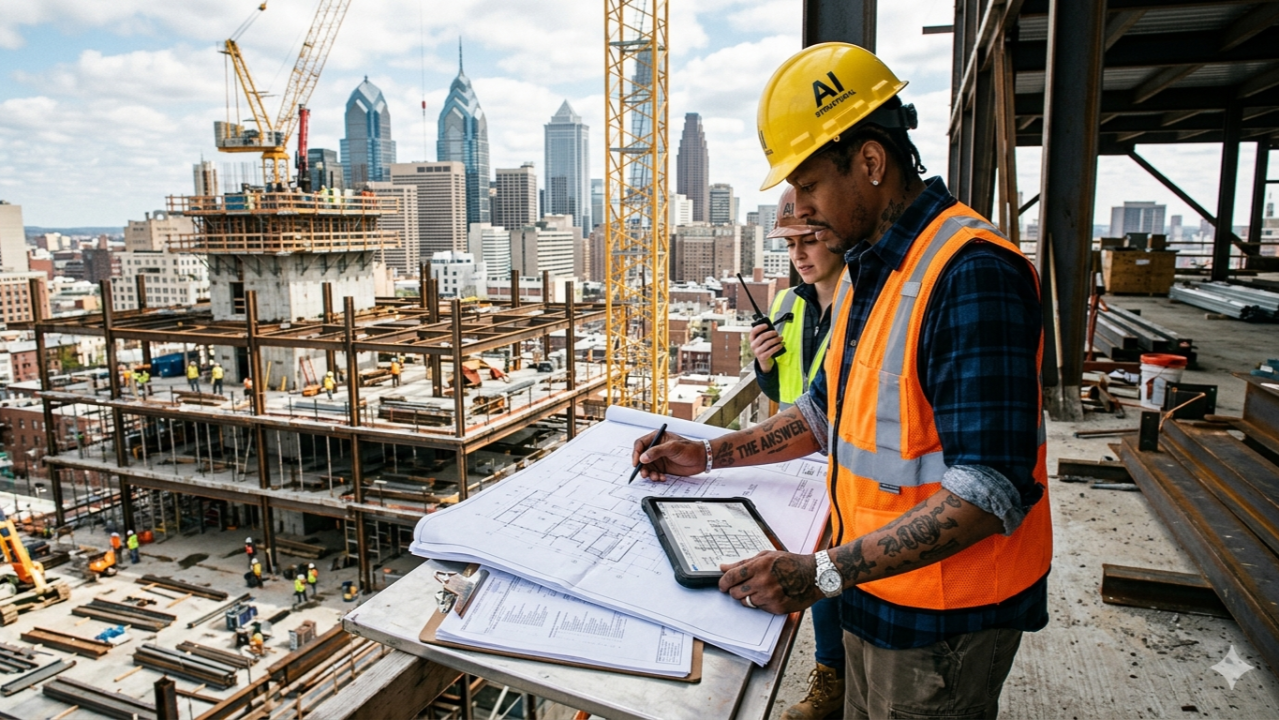
Historic buildings serve as important reminders of a community's cultural, architectural, and economic history. Preserving these structures requires careful planning, specialized engineering knowledge, and a deep understanding of both traditional construction methods and modern safety standards. For a Historical Building and Structural Engineer, restoration projects often present unique challenges that require balancing preservation goals with structural integrity and public safety.
Understanding Historical Building Restoration
Historical building restoration involves repairing, stabilizing, and preserving older structures while maintaining their original architectural character. Unlike modern construction projects, restoration work focuses on protecting historical features while ensuring the building remains safe and functional.
A Historical Building and Structural Engineer plays a critical role in this process by evaluating structural conditions, identifying deficiencies, and designing solutions that respect the building's historical significance.
These projects may involve:
-
Historic homes
-
Government buildings
-
Churches
-
Museums
-
Industrial landmarks
-
Educational institutions
Each structure presents its own set of engineering and preservation challenges.
Why Historical Buildings Require Specialized Engineering
Older buildings were often constructed using materials and techniques that differ significantly from today's engineering standards.
Common historic construction materials include:
-
Unreinforced masonry
-
Timber framing
-
Stone foundations
-
Early steel systems
-
Lime-based mortars
Many of these materials behave differently than modern construction materials, making restoration work more complex.
A Historical Building and Structural Engineer must understand how these systems perform over time and how repairs can be implemented without compromising historical authenticity.
Challenge 1: Aging and Deteriorating Materials
One of the biggest challenges in restoration projects is material deterioration.
Historic structures often experience:
-
Wood rot
-
Corrosion of steel components
-
Masonry cracking
-
Mortar deterioration
-
Moisture damage
Years of environmental exposure can weaken structural systems and reduce load-carrying capacity.
Engineers must determine whether original materials can be preserved, reinforced, or replaced while maintaining the building's historical value.
Challenge 2: Limited Original Documentation
Many historic buildings were constructed long before modern documentation standards existed.
As a result, engineers frequently encounter:
-
Missing construction drawings
-
Incomplete renovation records
-
Unknown structural modifications
-
Limited maintenance histories
Without complete information, engineers must rely on field investigations and structural analysis to understand how the building was originally designed and constructed.
This investigative process requires patience, expertise, and attention to detail.
Challenge 3: Hidden Structural Damage
Historic buildings often conceal structural issues behind walls, ceilings, and architectural finishes.
Common hidden problems include:
-
Foundation settlement
-
Structural movement
-
Decayed framing
-
Corroded connections
-
Water-related damage
A thorough investigation is essential before restoration work begins.
Many engineers use modern technologies such as:
-
Drone inspections
-
Laser scanning
-
Ground-penetrating radar
-
Moisture detection equipment
These tools help identify hidden conditions while minimizing damage to historic materials.
Challenge 4: Balancing Preservation with Safety
One of the most difficult aspects of restoration is balancing preservation goals with modern safety requirements.
Historic structures may not meet current standards for:
-
Structural loading
-
Wind resistance
-
Seismic performance
-
Accessibility
-
Fire protection
A Historical Rehabilitation and Structural Engineer must develop solutions that improve safety without altering the building's historic appearance.
This often requires creative engineering approaches and close collaboration with preservation authorities.
Challenge 5: Compliance with Preservation Regulations
Many historic buildings are protected by local, state, or national preservation guidelines.
These regulations may restrict:
-
Material replacements
-
Structural modifications
-
Exterior alterations
-
Demolition activities
While these requirements help protect historical value, they can also complicate engineering decisions.
Structural engineers must work within preservation guidelines while still addressing safety concerns and structural deficiencies.
Challenge 6: Damage from Severe Weather Events
Historic buildings can be especially vulnerable to extreme weather.
Storms, flooding, and hurricanes often cause significant damage to aging structures.
A Hurricane Damage Structural Engineer may evaluate:
-
Roof failures
-
Water intrusion
-
Foundation erosion
-
Masonry damage
-
Structural displacement
Because older buildings were not designed for modern storm standards, restoration efforts often include strengthening vulnerable structural components.
Challenge 7: Emergency Structural Conditions
Unexpected events can quickly create dangerous conditions within historic structures.
Examples include:
-
Partial collapses
-
Fire damage
-
Severe storms
-
Structural instability
An Emergency Response Structural Engineer may be called to assess safety risks, stabilize the building, and prevent further damage.
Rapid evaluations are critical to protecting both the structure and public safety.
Challenge 8: Structural Upgrades for Modern Use
Many historic buildings are restored for new purposes.
Examples include:
-
Converting warehouses into offices
-
Transforming schools into residential properties
-
Renovating churches into community spaces
Adaptive reuse projects often require structural upgrades to accommodate modern occupancy and loading requirements.
The challenge is introducing these improvements without damaging historical features.
A skilled restoration engineer develops solutions that blend modern performance with historical preservation.
Challenge 9: Construction Defects During Restoration
Restoration projects are highly specialized, and mistakes can create new structural problems.
Improper repairs may lead to:
-
Material incompatibility
-
Structural instability
-
Moisture issues
-
Premature deterioration
A Construction Defect Expert Witness and Structural Engineer may investigate restoration failures to determine whether construction practices contributed to the damage.
These evaluations help identify responsibility and guide corrective repairs.
Challenge 10: Legal and Insurance Disputes
Historic restoration projects often involve significant financial investments.
Disputes may arise regarding:
-
Construction quality
-
Preservation requirements
-
Structural damage
-
Insurance claims
In these situations, a Structural Engineer Expert Witness may provide technical evaluations, reports, and testimony.
Their expertise helps explain complex structural issues in legal and insurance proceedings.
Objective engineering analysis is often critical for resolving disputes fairly.
The Importance of Forensic Investigations
Many restoration projects require forensic engineering services to understand existing structural conditions.
Forensic investigations may involve:
-
Failure analysis
-
Material testing
-
Structural evaluations
-
Cause determination
These investigations help engineers understand how deterioration occurred and what measures are necessary to prevent future problems.
Accurate forensic analysis forms the foundation of successful restoration planning.
Modern Technology and Historical Preservation
Technology has greatly improved the restoration process.
Today's engineers often use:
-
3D laser scanning
-
Building information modeling (BIM)
-
Digital structural analysis
-
Non-destructive testing methods
These tools provide accurate information while minimizing disruption to historic materials and architectural details.
Technology helps engineers preserve structures more effectively than ever before.
Benefits of Historical Building Restoration
Despite the challenges, restoring historic structures offers many advantages.
Cultural Preservation
Historic buildings help preserve local heritage and community identity.
Environmental Sustainability
Restoration often reduces construction waste and conserves resources.
Economic Growth
Historic districts can support tourism, business development, and property values.
Architectural Preservation
Restoration protects unique craftsmanship and design features that cannot easily be replicated today.
Why Specialized Expertise Matters
Historical restoration is not a typical engineering project. It requires professionals who understand both structural behavior and preservation principles.
An experienced Historical Building and Structural Engineer can:
-
Identify hidden structural risks
-
Develop preservation-focused repair plans
-
Navigate regulatory requirements
-
Protect historical integrity
Their expertise helps ensure that restoration efforts are both safe and historically appropriate.
Final Thought
Restoring historic structures is a complex process that combines engineering science, preservation knowledge, and creative problem-solving. A Historical Building and Structural Engineer plays a vital role in protecting architectural heritage while addressing structural challenges such as deterioration, storm damage, safety upgrades, and construction defects. Whether evaluating aging materials, responding to emergencies, or supporting restoration projects, the expertise of a Structural Forensic Engineer helps ensure that historic buildings remain safe, functional, and preserved for future generations.

 English
 Arabic
 Spanish
 Portuguese
 Deutsch
 Turkish
 Dutch
Dutch
 Italiano
 Russian
 Romaian
 Portuguese (Brazil)
 Greek
Greek