


Cash for Gold Services Reviewed: Are They Worth It in 2026?
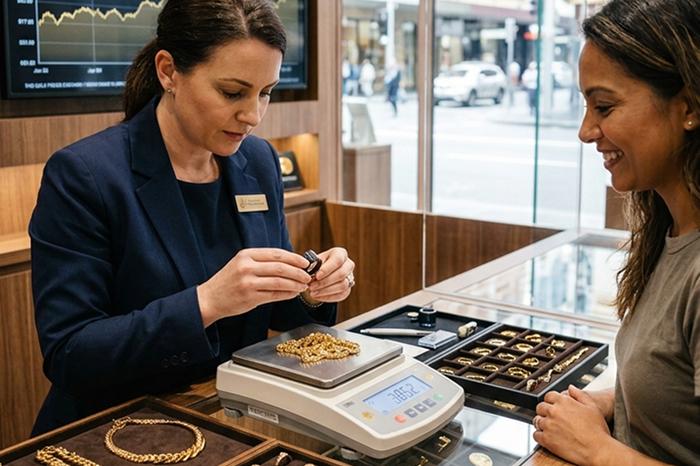
Gold prices continue to attract attention in 2026, prompting many people to search for cash for gold services as a quick way to turn unwanted jewelry into money. Whether it's broken chains, outdated rings, or inherited pieces gathering dust, selling gold can seem like an easy financial win. However, there is often a significant difference between the market value of gold and the amount a buyer is willing to pay.
The convenience of receiving immediate cash is appealing, but that speed frequently comes at a cost. Understanding how cash for gold companies operate can help you avoid low offers and maximize your payout. This guide explains how these services work, compares your selling options, highlights common scams, and provides practical strategies for getting the best price for your gold.
How Cash for Gold Businesses Actually Work
Before selling your jewelry, it's important to understand the business model behind cash for gold services.
The Buying Process
Most gold buyers follow a similar process when evaluating items.
First, they determine the purity of the gold. Traditional buyers often use acid testing kits, which involve applying chemicals to verify karat levels. While effective, acid testing is less precise than modern methods.
Many professional buyers now use X-Ray Fluorescence (XRF) scanners. These devices analyze metal composition without damaging the jewelry and provide highly accurate readings within seconds.
After purity is confirmed, the buyer weighs the item. Gold is typically measured using a troy ounce system rather than standard ounces. One troy ounce equals approximately 31.1 grams.
The buyer then calculates the item's melt value, which represents the value of the gold content if the piece were melted down and refined. In some cases, jewelry may also have resale value if it is a designer piece or antique item. Unfortunately, many cash for gold businesses focus solely on melt value and ignore any collectible or retail worth.
Common Pricing Models
Cash for gold companies generally use one of several pricing structures.
Percentage of Spot Price
The most common method is offering a percentage of the current gold spot price. Depending on the buyer, payouts may range from 70% to 95% of the gold's intrinsic value.
Lower percentages often generate higher profits for dealers but reduce the amount sellers receive.
Flat-Fee Structures
Some buyers, particularly those handling large volumes of scrap gold, may offer flat-rate pricing. This method is often used for bulk lots where individual item evaluation is less practical.
Buying vs. Consignment
A direct purchase provides immediate payment but usually results in a lower payout.
Consignment allows a dealer to sell the item on your behalf and pay you afterward. While this can generate more money, it also involves longer waiting periods and no guarantee of sale.
Hidden Fees to Watch For
Many sellers focus solely on the quoted price and overlook additional deductions.
Common hidden costs include:
-
Refining fees deducted from the final payout
-
Shipping costs for mail-in gold kits
-
Insurance charges during transit
-
Administrative or handling fees
-
Processing fees for small transactions
Always ask for a complete breakdown before agreeing to any sale.
Comparing Your Selling Options
Not all gold buyers operate the same way. Understanding the advantages and disadvantages of each option can help you make a more informed decision.
Local Pawn Shops and Jewelers
Many people start with local businesses because they offer immediate convenience.
Pros
-
Instant cash payment
-
Face-to-face interaction
-
Ability to negotiate in person
-
No shipping risks
Cons
-
Large variation in pricing
-
Potential for low-ball offers
-
Limited competition
-
Less transparency regarding calculations
Case Study: Local Shop vs. Certified Refinery
Consider a seller with 100 grams of 14k gold jewelry.
A local pawn shop might offer 70% of melt value for immediate payment.
A certified refinery may offer 90% to 95% after refining and verification.
The difference can amount to hundreds or even thousands of dollars depending on current gold prices.
Online Gold Buyers
Online gold buying services have become increasingly popular due to improved transparency and competitive pricing.
Pros
-
Access to national markets
-
Competitive offers
-
Easy comparison shopping
-
Convenient mail-in process
Cons
-
Shipping concerns
-
Delayed payment timelines
-
Risk of dealing with unreliable companies
-
Potential disputes regarding purity assessments
Checklist: Verifying an Online Buyer
Before shipping valuable gold, verify the following:
-
Business licensing information
-
Customer reviews across multiple platforms
-
Years in operation
-
Physical business address
-
Insurance coverage during shipment
-
Written payout policies
-
Return procedures if you reject an offer
A legitimate company should provide all of this information clearly.
Direct Sale to Refineries
Selling directly to a refinery often produces the highest payout.
Pros
-
Closest pricing to actual spot value
-
Greater transparency
-
Professional testing equipment
-
Reduced middleman costs
Cons
-
Minimum weight requirements
-
Longer processing times
-
Less suitable for small quantities
Expert Insight
Professional investors and precious metal traders rarely use traditional cash for gold storefronts because every intermediary takes a profit margin.
Instead, experienced sellers often work directly with refiners or specialized precious metals dealers to maximize returns.
Red Flags: How to Avoid Getting Scammed
While many gold buyers operate honestly, scams remain common within the industry.
Warning Signs of a Bad Deal
Offers That Seem Too Good to Be True
An unusually high initial quote may be used to attract sellers before hidden deductions are introduced later.
Pressure to Sell Immediately
Reputable buyers understand that customers may seek multiple quotes.
If someone insists that an offer expires within minutes, consider it a warning sign.
Lack of Pricing Transparency
A trustworthy buyer should clearly explain:
-
Gold purity
-
Weight measurements
-
Current spot price
-
Percentage being offered
Vague explanations often indicate an unfavorable deal.
The "Free Appraisal" Trap
Many cash for gold advertisements promote free appraisals.
While not inherently dishonest, these evaluations are often designed to move customers quickly toward a sale.
Some businesses use high-pressure sales techniques after completing the appraisal.
For valuable collections, paying for an independent third-party appraisal can provide an unbiased estimate and strengthen your negotiating position.
Common Weight Tricks
Unscrupulous buyers may manipulate weight calculations in subtle ways.
Common tactics include:
-
Using uncalibrated scales
-
Rounding weights downward
-
Excluding certain components improperly
-
Failing to separate gold by purity level
Always request to see the weight displayed during evaluation.
If gemstones or non-gold materials are present, ensure deductions are reasonable and clearly explained.
Step-by-Step Guide to Maximize Your Payout
Following a structured approach can significantly increase the amount you receive for your gold.
Pre-Sale Preparation
Identify Hallmarks
Check each item for purity markings such as:
-
10K
-
14K
-
18K
-
22K
-
24K
These stamps indicate gold content and help you estimate value before meeting buyers.
Sort by Purity
Separate jewelry according to karat level.
Mixing different purity grades together can lead to inaccurate pricing and lower offers.
Track Current Gold Prices
Monitor the daily gold spot price before selling.
Knowing the market rate allows you to evaluate offers objectively and identify buyers offering fair percentages.
The Art of Negotiation
Many sellers accept the first offer they receive.
This is often a costly mistake.
Ask About Spot Price Percentage
Always ask:
"What percentage of today's spot price are you offering?"
This question immediately reveals whether the offer is competitive.
Obtain Multiple Quotes
Gather at least three independent offers before making a decision.
Competition among buyers frequently results in better pricing.
Know When to Walk Away
If a buyer refuses transparency, applies pressure, or offers significantly less than competitors, leave.
There will always be other opportunities to sell.
Documentation and Safety
Proper documentation protects you throughout the transaction.
Request Written Records
A receipt should include:
-
Gold weight
-
Purity level
-
Price per gram or ounce
-
Total payment amount
-
Date of transaction
Use Insured Shipping
For online transactions, always choose insured and trackable shipping methods.
This protects you against loss or theft during transit.
Maintain an Offer Log
Record:
-
Buyer names
-
Offer amounts
-
Purity estimates
-
Dates of evaluation
This information makes comparisons easier and strengthens negotiation efforts.
Conclusion: Is the Convenience Worth the Cost?
Cash for gold services continue to serve an important purpose in 2026. They provide a fast and convenient way to convert unwanted jewelry into cash without the complexity of private sales.
However, convenience usually comes with a trade-off. Many sellers receive less than their gold's true market value because buyers must cover refining costs, operational expenses, and profit margins.
For small amounts of jewelry or situations requiring immediate cash, cash for gold services can be a practical solution. For larger collections, investment-grade bullion, or high-value pieces, exploring refiners, specialized dealers, and independent appraisals can significantly improve your return.
Final Tally: Expected Loss vs. Time Saved
Most cash for gold transactions involve accepting approximately 5% to 30% less than the theoretical market value of the gold. In exchange, sellers gain speed, convenience, and immediate liquidity.
Whether that trade-off is worthwhile depends on your financial goals and timeline.
Your Action Plan Before Selling Gold
-
Check the current gold spot price and identify the purity of every item.
-
Collect at least three offers from different buyers before making a decision.
-
Request written documentation and avoid buyers who cannot clearly explain their pricing.
By following these steps, you'll dramatically improve your chances of receiving a fair payout while avoiding the common pitfalls that cost many gold sellers money.

 English
 Arabic
 French
 Portuguese
 Deutsch
 Turkish
 Dutch
Dutch
 Italiano
 Russian
 Romaian
 Portuguese (Brazil)
 Greek
Greek