


Soundproof Door for Home That Improves Energy Efficiency
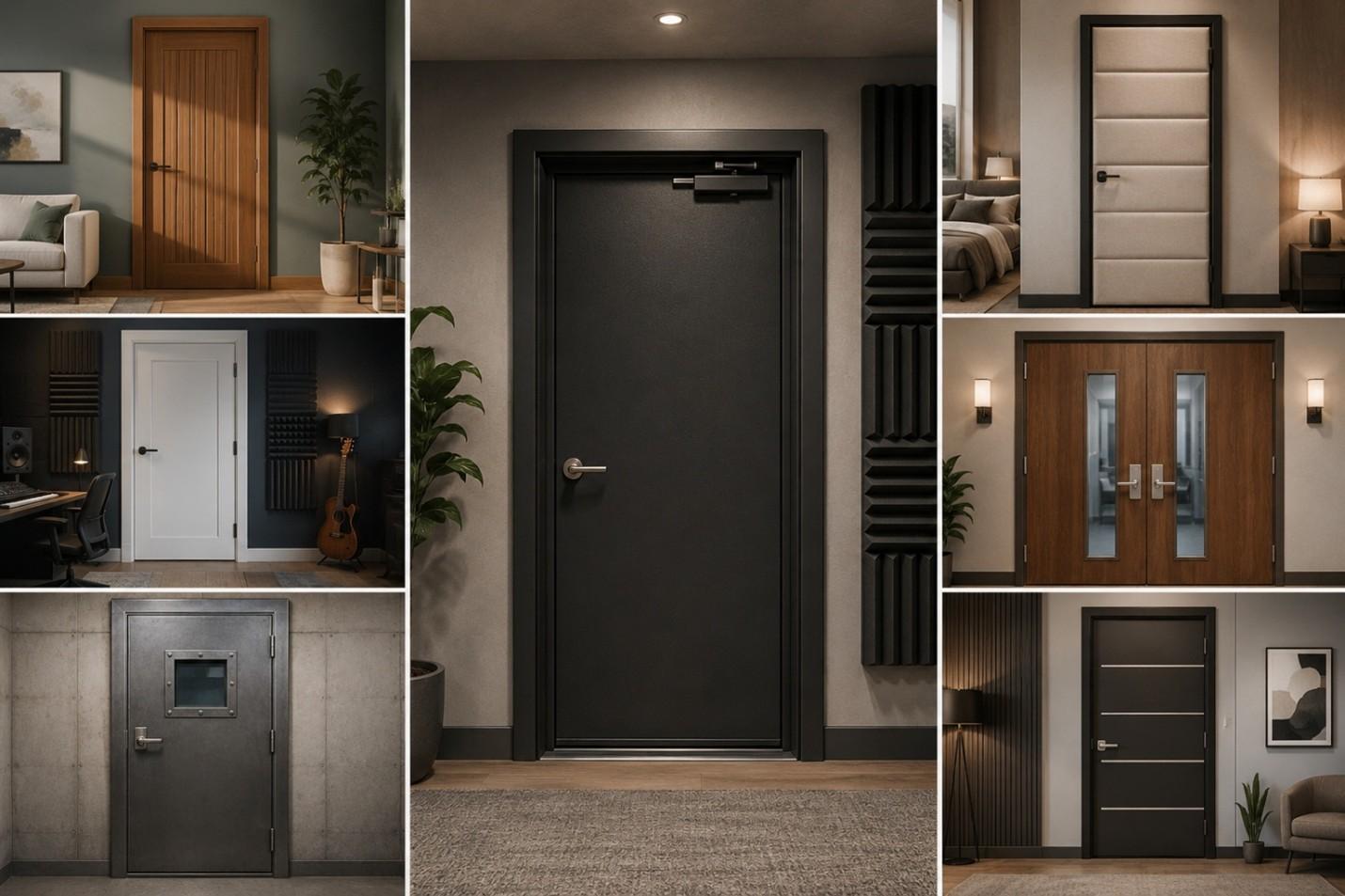
Modern homes are expected to deliver more than security and aesthetics. Homeowners increasingly look for solutions that create a comfortable indoor environment while helping manage energy consumption. A soundproof door for the home can contribute to both objectives. While many people associate soundproofing with noise reduction alone, the right door system can also enhance thermal performance, improve airtightness, and reduce energy loss. As cities become busier and homes rely more on climate control systems, the relationship between acoustic comfort and energy efficiency becomes increasingly important.
The Connection Between Noise Control and Energy Efficiency
A common misconception is that soundproofing and energy efficiency are separate considerations. In reality, many of the features that block external noise can also help improve thermal insulation.
Sound enters a home through gaps, weak seals, and poorly designed frames. The same openings can allow conditioned air to escape and outdoor air to enter. When this happens, air conditioning systems often need to work harder to maintain a comfortable indoor temperature.
A well-designed door system helps minimise these issues by creating a more secure barrier between indoor and outdoor environments. This can contribute to greater comfort year-round while reducing unnecessary energy use.
Why Door Sealing Matters
One of the most important aspects of a soundproof door is its sealing performance. Even a small gap around a door can affect both acoustic and thermal performance.
Several design elements help improve sealing effectiveness, such as:
-
EPDM Gaskets: Durable sealing components that help reduce air leakage and limit sound transmission.
-
Multi-Point Sealing: Seals positioned at multiple contact points to create a tighter enclosure.
-
Corner Protection: Properly sealed corners help prevent gaps where air and noise can enter.
-
Precision Engineering: Accurate manufacturing improves the fit between the frame and door panel.
These features are commonly associated with high-performance aluminium systems and contribute to both sound insulation and energy efficiency. TOSTEM highlights the importance of EPDM gaskets, airtight construction, and precision sealing in improving overall performance.
The result is a more stable indoor environment with fewer temperature fluctuations and less noise intrusion.
Must Read: How Aluminium Window Design Enhances Natural Light in Homes
How Aluminium Doors Support Better Performance
When discussing energy-efficient door systems, material selection plays a significant role. Modern aluminium door design solutions are engineered to deliver durability, precision, and consistent performance. Unlike some traditional materials, aluminium offers excellent structural stability. This allows manufacturers to create accurately fitted door systems that maintain their performance over time. Some advantages include:
-
Dimensional Stability: Aluminium resists warping, swelling, and shrinking caused by weather changes.
-
Long-Term Durability: Strong frames help maintain sealing effectiveness for years.
-
Low Maintenance: Minimal upkeep helps preserve performance and appearance.
-
Compatibility with Advanced Glazing: Aluminium systems can accommodate thicker glass configurations for improved insulation and sound control.
These characteristics make aluminium a practical choice for homeowners seeking both comfort and efficiency.
The Role of Glass in Acoustic and Thermal Comfort
Glass selection is another important factor when choosing a Soundproof Door for Home. While the frame and seals contribute significantly to performance, glazing also influences how much noise and heat transfer through the door.
Thicker glass configurations generally provide better sound insulation. Laminated or specialised glazing options can further improve acoustic performance while helping reduce heat transfer. When combined with airtight framing systems, these glazing solutions create a more comfortable indoor environment by:
-
Reducing external noise levels
-
Supporting indoor temperature stability
-
Limiting unwanted heat gain
-
Improving overall living comfort
Research on façade insulation and noise reduction has also shown that lowering indoor noise exposure can improve perceived comfort over the long term.
Choosing the Right Aluminium Doors Design
Not all door systems deliver the same level of performance. Homeowners should look beyond appearance and consider technical features that influence both acoustic and thermal efficiency. Important factors include:
-
Air Tightness Performance: Helps reduce energy loss and improve comfort.
-
Quality Gaskets: Essential for effective sealing.
-
Frame Engineering: Precision manufacturing supports consistent operation.
-
Glass Compatibility: Allows for enhanced insulation options.
-
Performance Testing: Independent testing provides confidence in product capabilities.
Many contemporary Aluminium Doors Design options combine sleek aesthetics with performance-focused engineering, making them suitable for modern homes where comfort and efficiency are equally important.
Conclusion
A soundproof door for the home offers benefits that extend beyond noise reduction. Features such as airtight sealing, quality gaskets, precision-engineered frames, and suitable glazing can also contribute to improved energy efficiency. By limiting air leakage and supporting thermal insulation, these systems help create a quieter, more comfortable living environment. As homeowners place greater emphasis on long-term comfort and sustainability, choosing well-designed door systems becomes an important part of building a more efficient and enjoyable home.

 English
 Arabic
 French
 Spanish
 Portuguese
 Deutsch
 Dutch
Dutch
 Italiano
 Russian
 Romaian
 Portuguese (Brazil)
 Greek
Greek