


Is a Hair Transplant Considered Major or Minor Surgery?
Hair loss can significantly impact confidence and self-esteem, prompting many to explore solutions like hair transplantation. If you’re considering this procedure, a common question arises: Is a hair transplant considered major or minor surgery? Understanding the nature of the procedure, its risks, and recovery process is essential before deciding. Patients in Dubai often seek guidance from a reputable Hair Transplant Clinic in Sharjah, and knowing what to expect can make the process smoother and more reassuring.
Understanding Hair Transplant Procedures
Hair transplant surgery involves moving hair follicles from a donor area—typically the back or sides of the scalp—to areas experiencing thinning or balding. The two most common techniques are:
-
FUT (Follicular Unit Transplantation): Involves removing a strip of scalp from the donor area and dissecting it into individual follicular units for transplantation.
-
FUE (Follicular Unit Extraction): Extracts individual hair follicles directly from the donor area and implants them into the thinning regions.
Both procedures aim to restore natural hair growth, but they differ in technique, recovery time, and the level of invasiveness.
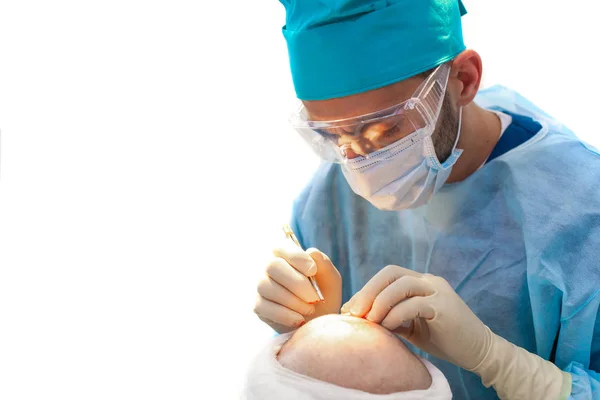
Major vs. Minor Surgery: Where Does Hair Transplant Fall?
Surgical procedures are generally classified as either major or minor based on several factors:
-
Extent of tissue involvement
-
Anesthesia type
-
Hospitalization requirements
-
Risk of complications
A hair transplant is typically considered minor surgery. Here’s why:
-
Local Anesthesia: Hair transplant procedures are usually performed under local anesthesia, which numbs the scalp without affecting overall consciousness. Patients remain awake and alert throughout the procedure.
-
Outpatient Procedure: Most patients visit the clinic, undergo the procedure, and return home the same day. Hospitalization is rarely required.
-
Minimal Tissue Trauma: Unlike major surgeries that involve internal organs or large incisions, hair transplants primarily affect the scalp’s surface, reducing risk and recovery time.
-
Low Complication Risk: While minor complications like swelling, redness, or temporary numbness can occur, serious risks are uncommon when performed by skilled professionals.
Factors That Influence Surgery Classification
Even though a hair transplant is minor, several factors can affect the complexity of the procedure:
-
Number of Grafts: Larger sessions involving thousands of grafts may extend procedure time and slightly increase discomfort.
-
Technique Used: FUT may leave a linear scar due to the strip removal, whereas FUE leaves tiny, almost unnoticeable scars.
-
Patient Health: Pre-existing health conditions or scalp issues can influence the surgical approach and aftercare.
-
Recovery Considerations: Some patients may need longer downtime depending on the number of grafts and individual healing response.
Understanding these factors helps patients set realistic expectations and ensures a smoother recovery process.
Recovery and Post-Procedure Care
Recovery from a hair transplant is relatively straightforward, reinforcing its classification as a minor surgery:
-
Immediate Aftercare: Patients may experience mild swelling, redness, or scabbing around the transplanted area. These effects typically subside within a few days.
-
Activity Restrictions: Strenuous physical activity should be avoided for the first week to protect the transplanted follicles.
-
Follow-Up: Routine check-ins with the clinic ensure proper healing and allow early identification of any minor complications.
-
Hair Growth Timeline: Initial shedding of transplanted hair is normal. New hair growth usually becomes noticeable within three to six months, with full results visible around 12 months.
Advantages of Choosing a Professional Hair Transplant Clinic
Selecting a reputable Hair Transplant Clinic in Sharjah ensures a safe, efficient, and effective procedure:
-
Expertise: Skilled technicians use advanced techniques for natural-looking results.
-
State-of-the-Art Facilities: Modern equipment reduces discomfort and shortens procedure time.
-
Personalized Care: Clinics provide tailored pre- and post-operative instructions to optimize outcomes.
-
Minimized Risk: Proper sterilization and procedural protocols reduce the risk of infection and complications.
Key Takeaways
-
Hair transplants are generally considered minor surgery, performed under local anesthesia, with minimal risk and short recovery time.
-
Techniques like FUE and FUT are both effective but vary in invasiveness, scarring, and session length.
-
Recovery is straightforward, with most patients resuming daily activities within a few days.
-
Choosing a qualified Hair Transplant Clinic in Sharjah is crucial for safe, successful results.
For residents of Dubai and surrounding areas, understanding the nature of hair transplant surgery can reduce anxiety and help make informed decisions. While it may sound daunting initially, the procedure’s minimally invasive nature and proven track record make it an accessible and effective solution for hair restoration.

 English
 Arabic
 French
 Spanish
 Portuguese
 Deutsch
 Turkish
 Dutch
Dutch
 Italiano
 Russian
 Romaian
 Portuguese (Brazil)