


Why Hard Jaws Matter in Automotive and Aerospace Machining
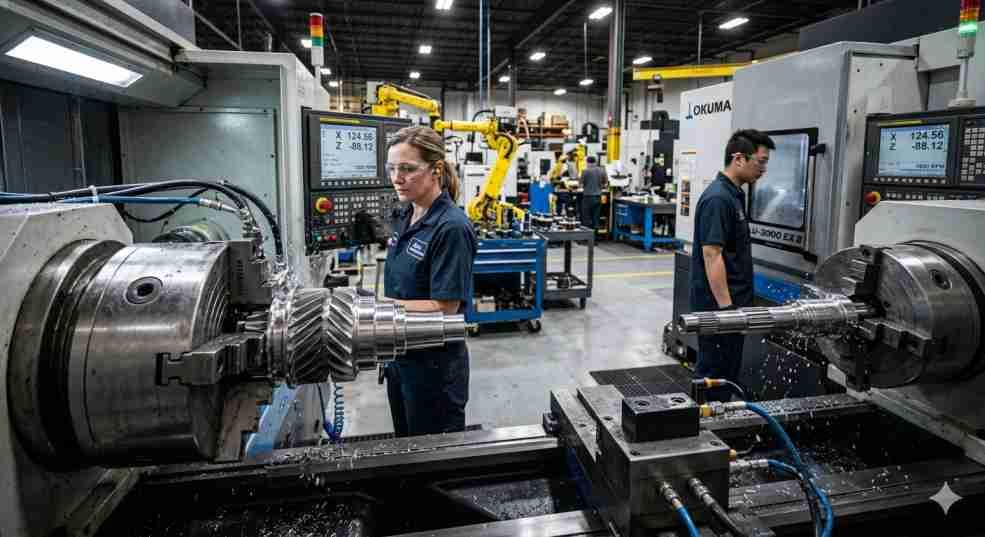
In the automotive and aerospace industries, precision is not optional. Every component must meet strict quality standards to ensure safety, performance, and reliability. From engine parts and transmission components to aircraft landing gear and turbine shafts, manufacturers rely on accurate machining processes to produce high-quality parts. One important tool that helps achieve this level of precision is hard jaws.
Hard jaws are commonly used in lathe chucks and workholding systems to securely grip workpieces during machining operations. Their strength, durability, and consistent holding power make them a preferred choice for automotive and aerospace applications. In this article, we will explore why hard jaws matter in these industries and how they contribute to efficient and accurate machining.
What Are Hard Jaws?
Hard jaws are hardened steel chuck jaws designed to grip and hold workpieces during machining. Unlike soft jaws, which can be machined to fit specific part shapes, hard jaws come pre-hardened and are built for long-term use.
These jaws are commonly used for:
- High-volume production
- Repetitive machining operations
- Heavy-duty cutting applications
- Precision turning and milling processes
Because of their hardened construction, hard jaws offer excellent wear resistance and maintain their gripping accuracy over extended periods.
The Importance of Precision in Automotive and Aerospace Manufacturing
Both automotive and aerospace industries require extremely tight tolerances. Even a small machining error can result in component failure, increased costs, or safety risks.
For example:
- Automotive parts such as crankshafts, brake components, and transmission gears require precise dimensions for proper performance.
- Aerospace parts such as turbine blades, landing gear components, and structural fittings must meet strict engineering specifications.
To achieve these standards, manufacturers need reliable workholding systems. Hard jaws provide the stability needed to keep workpieces secure throughout the machining process.
Benefits of Hard Jaws in Automotive Machining
Strong and Consistent Grip
Automotive production often involves machining thousands of identical parts. Hard jaws provide a reliable and repeatable grip, ensuring each workpiece stays securely in place.
This consistency helps manufacturers maintain quality standards while reducing production errors.
Ideal for High-Volume Production
Automotive manufacturing environments focus on speed and efficiency. Since hard jaws are highly durable, they can handle continuous production without frequent replacement.
Their long service life reduces downtime and supports faster production cycles.
Resistance to Wear
Constant clamping and machining can wear down workholding components. Hard jaws are designed to resist wear, allowing them to maintain their accuracy for extended periods.
This durability makes them a cost-effective solution for automotive machine shops.
Improved Machining Accuracy
A secure workpiece reduces vibration and movement during machining. Hard jaws help improve dimensional accuracy and surface finish quality, which are essential for automotive components.
Why Aerospace Manufacturers Depend on Hard Jaws
Handling High-Strength Materials
Aerospace parts are often made from materials such as:
- Titanium
- Stainless steel
- Inconel
- High-strength aluminum alloys
These materials require aggressive machining operations. Hard jaws provide the gripping force necessary to hold these difficult materials securely during cutting.
Maintaining Tight Tolerances
Aerospace machining demands extreme precision. Hard jaws help maintain part stability throughout the machining process, supporting the tight tolerances required by aerospace standards.
Enhanced Safety and Reliability
Aircraft components must perform under demanding conditions. Any machining error can have serious consequences.
By providing reliable workholding, hard jaws help manufacturers produce parts that meet strict safety and quality requirements.
Reduced Part Movement
Even minor workpiece movement can affect the accuracy of aerospace components. Hard jaws minimize movement during machining, helping achieve consistent results across production runs.
Hard Jaws vs. Soft Jaws in Automotive and Aerospace Applications
Both hard jaws and soft jaws have their place in machining operations, but hard jaws offer several advantages for production environments.
Hard Jaws
- Highly durable
- Long service life
- Excellent wear resistance
- Ideal for repetitive production work
- Suitable for heavy-duty machining
Soft Jaws
- Customizable for unique part shapes
- Better for delicate components
- Often used for specialized applications
- Require more frequent replacement
For many automotive and aerospace production processes, hard jaws are the preferred choice because of their durability and repeatability.
Key Features to Look for in Hard Jaws
When selecting hard jaws for automotive or aerospace machining, manufacturers should consider several important factors.
Material Quality
Choose hard jaws made from high-quality hardened steel. Superior materials improve durability and wear resistance.
Precision Manufacturing
Well-manufactured hard jaws provide better gripping accuracy and consistent performance.
Compatibility
Ensure the jaws are compatible with your chuck system and machining equipment.
Surface Finish
A properly finished jaw surface helps improve grip while reducing unnecessary wear on workpieces.
Proven Performance
Select hard jaws from reputable manufacturers with experience in automotive and aerospace machining applications.
How Hard Jaws Improve Productivity
Productivity is a major concern in modern manufacturing. Hard jaws contribute to efficiency in several ways:
- Reduced setup times
- Fewer jaw replacements
- Lower maintenance costs
- Improved machining consistency
- Less downtime
- Higher production output
By providing reliable workholding, hard jaws allow machine operators to focus on maintaining quality and meeting production targets.
Best Practices for Maintaining Hard Jaws
Proper maintenance helps maximize the lifespan and performance of hard jaws.
Clean Regularly
Remove chips, dirt, and coolant residue after each machining cycle.
Inspect for Wear
Check jaws regularly for signs of damage or excessive wear.
Lubricate Moving Components
Follow manufacturer recommendations for lubrication to ensure smooth operation.
Store Properly
Keep hard jaws in a clean and dry environment when not in use.
Replace When Necessary
Even durable hard jaws eventually wear out. Replacing worn jaws helps maintain machining accuracy and safety.
The Future of Hard Jaws in Precision Manufacturing
As automotive and aerospace technologies continue to advance, machining requirements will become even more demanding. Manufacturers will need workholding solutions capable of supporting tighter tolerances, faster production speeds, and more complex materials.
Hard jaws will continue to play a critical role in meeting these challenges. Their durability, precision, and reliability make them an essential component of modern machining operations.
Conclusion
Hard jaws are a vital part of automotive and aerospace machining. Their ability to provide strong gripping power, maintain accuracy, and withstand demanding production environments makes them an indispensable workholding solution.
Whether machining engine components, transmission parts, aircraft structures, or turbine components, manufacturers depend on hard jaws to deliver consistent results. By choosing high-quality hard jaws and maintaining them properly, machine shops can improve productivity, reduce costs, and achieve the precision required in today's competitive manufacturing industries.

 English
 Arabic
 French
 Spanish
 Portuguese
 Deutsch
 Turkish
 Dutch
Dutch
 Italiano
 Romaian
 Portuguese (Brazil)
 Greek
Greek