


KN95 Face Mask: Complete Guide to Protection, Uses, Benefits, and Buying Tips
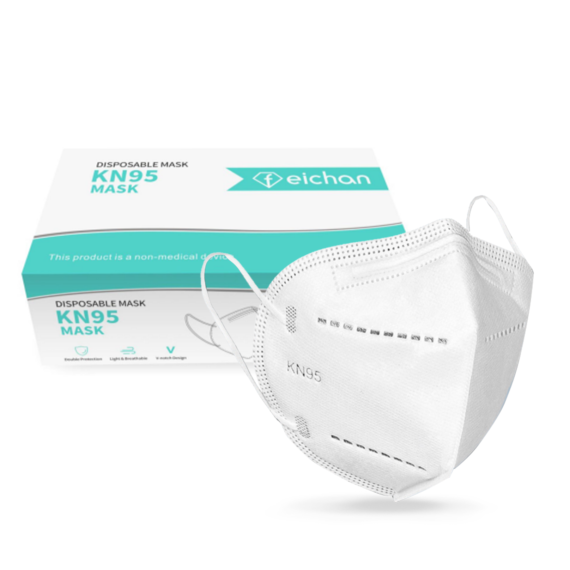
A KN95 face mask is a high-filtration respiratory protective mask designed to reduce the inhalation of airborne particles, dust, droplets, and pollutants. It has become one of the most widely used personal protective equipment (PPE) items globally due to its balance of high filtration efficiency, comfort, and affordability.
Originally developed under Chinese standards, KN95 masks are designed to filter at least 95% of airborne particles, making them a popular choice in healthcare, industrial environments, and everyday public use.
With growing awareness of air quality, infectious diseases, and workplace safety, the demand for KN95 face mask products continues to remain strong across global markets.
This guide provides a complete breakdown of KN95 masks, including how they work, their structure, benefits, uses, and how to choose a reliable product.
What Is a KN95 Face Mask?
A KN95 face mask is a respiratory protective device that meets the GB2626-2019 filtration standard. It is designed to create a tight facial seal and filter out at least 95% of airborne particles.
Key functions include:
-
Filtering fine airborne particles
-
Reducing exposure to viruses and bacteria
-
Protecting against dust and pollution
-
Supporting workplace safety compliance
Unlike basic surgical masks, KN95 masks offer a more secure fit and higher filtration efficiency due to their multi-layer structure.
How a KN95 Face Mask Works
The effectiveness of a KN95 face mask comes from its multi-layer filtration system.
Filtration process:
-
Air enters through the mask surface
-
Multiple layers trap particles of different sizes
-
Electrostatic nonwoven layers capture fine particles
-
Cleaned air is inhaled through the mask
The mask is designed to filter both large droplets and microscopic airborne particles.
Structure of a KN95 Face Mask
A standard KN95 face mask typically consists of five layers:
Outer Layer
-
Blocks large droplets
-
Water-resistant material
Second Layer
-
Pre-filtration layer
-
Captures dust and larger particles
Melt-Blown Filter Layer
-
Core filtration layer
-
Captures fine particles and pathogens
Additional Filter Layer
-
Enhances overall filtration efficiency
-
Improves breathability balance
Inner Layer
-
Soft skin-friendly fabric
-
Absorbs moisture from breathing
Key Features of KN95 Face Masks
A high-quality KN95 face mask includes the following features:
High Filtration Efficiency
Filters at least 95% of airborne particles.
Tight Facial Fit
Designed to reduce air leakage around the nose and mouth.
Multi-Layer Protection
Provides enhanced filtration compared to basic masks.
Adjustable Nose Clip
Ensures a secure and comfortable fit.
Elastic Ear Loops
Provides stable wearing experience.
Lightweight Design
Suitable for extended daily use
KN95 Face Mask vs Other Masks
KN95 vs Surgical Mask
-
KN95 offers higher filtration
-
Surgical masks are looser fitting
-
KN95 provides better protection against fine particles
KN95 vs N95 Mask
-
Both offer similar filtration efficiency
-
N95 follows US standards, KN95 follows Chinese standards
-
Both filter at least 95% of particles
KN95 vs Cloth Mask
-
KN95 provides medical-grade filtration
-
Cloth masks offer minimal protection
-
KN95 is more suitable for high-risk environments
Benefits of Using KN95 Face Mask
Using a KN95 face mask provides several important advantages:
1. High-Level Protection
Offers strong defense against airborne particles and pathogens.
2. Improved Air Quality
Helps reduce inhalation of dust, smoke, and pollution.
3. Workplace Safety Compliance
Commonly used in healthcare and industrial environments.
4. Comfortable Fit
Ergonomic design ensures long-term wearability.
5. Versatile Usage
Suitable for medical, industrial, and daily use.
Industries That Use KN95 Face Masks
The KN95 face mask is widely used across multiple sectors.
Healthcare Industry
Used by doctors, nurses, and medical staff for infection control.
Industrial Sector
Protects workers from dust, chemicals, and airborne particles.
Construction Industry
Used in environments with high dust exposure.
Public Transportation
Used in crowded environments for personal protection.
Education Sector
Used in schools during health safety concerns.
When to Use a KN95 Face Mask
A KN95 face mask is recommended in situations such as:
-
High pollution environments
-
Crowded public spaces
-
Healthcare settings
-
Construction or industrial sites
-
During respiratory illness outbreaks
How to Wear a KN95 Face Mask Properly
Correct usage ensures maximum protection:
-
Wash hands before handling the mask
-
Place mask over nose and mouth
-
Secure ear loops properly
-
Adjust nose clip for tight seal
-
Avoid touching mask while wearing
-
Replace after prolonged use or damage
How to Choose the Right KN95 Face Mask
When selecting a KN95 face mask, consider:
1. Certification Standards
Ensure compliance with GB2626-2019 or equivalent standards.
2. Filtration Efficiency
Must offer at least 95% filtration capability.
3. Fit and Comfort
Proper sealing is essential for protection.
4. Breathability
Choose masks that balance protection and airflow.
5. Material Quality
High-quality melt-blown fabric is essential.
6. Supplier Reliability
Choose trusted suppliers with verified quality control
KN95 Face Mask for Daily Use
Many people use KN95 face mask products for everyday protection due to:
-
Air pollution concerns
-
Seasonal flu protection
-
Workplace safety requirements
-
Public transport exposure
They offer a higher level of protection than standard masks for daily use.
Storage Guidelines for KN95 Face Masks
To maintain quality:
-
Store in a dry place
-
Avoid moisture exposure
-
Keep sealed packaging intact
-
Avoid heat and sunlight
-
Do not crush masks during storage
Environmental Considerations
The widespread use of KN95 face mask products has raised environmental concerns due to single-use waste.
Solutions include:
-
Improved recyclable packaging
-
Development of biodegradable mask materials
-
Proper medical waste disposal systems
-
Reduced overuse in low-risk environments
Market Trends for KN95 Face Masks
The demand for KN95 face mask products continues due to:
-
Increased global health awareness
-
Air pollution concerns in urban areas
-
Industrial safety regulations
-
Pandemic preparedness
-
Growth in healthcare infrastructure
Manufacturers are improving comfort, breathability, and filtration performance.
Bulk Buying Tips
When purchasing KN95 face mask in bulk:
-
Verify certification authenticity
-
Request sample testing
-
Compare multiple suppliers
-
Check packaging quality
-
Ensure consistent stock availability
-
Negotiate wholesale pricing
Common Mistakes to Avoid
Avoid these mistakes:
-
Buying uncertified masks
-
Using damaged masks
-
Improper wearing technique
-
Reusing single-use masks excessively
-
Ignoring fit and seal quality
Future of KN95 Face Masks
The future of KN95 face mask technology includes:
-
Improved breathable filtration layers
-
Reusable hybrid designs
-
Antimicrobial coatings
-
Eco-friendly materials
-
Smart wearable air quality monitoring
Innovation continues to improve safety and user comfort.
Conclusion
A KN95 face mask is an essential protective tool for personal safety in healthcare, industrial, and everyday environments. With its high filtration efficiency, secure fit, and versatile applications, it remains one of the most trusted respiratory protection solutions worldwide.
As demand continues to grow, selecting high-quality certified products and reliable suppliers is crucial for ensuring maximum protection and long-term safety
Frequently Asked Questions (FAQs)
What is a KN95 face mask used for?
A KN95 face mask is used to filter airborne particles, dust, and pathogens for respiratory protection.
How effective is a KN95 face mask?
It filters at least 95% of airborne particles when used correctly.
Can KN95 masks be reused?
They are designed for limited use and should not be reused for extended periods.
What is the difference between KN95 and N95 masks?
Both offer similar filtration, but KN95 follows Chinese standards while N95 follows US standards.
Are KN95 masks good for daily use?
Yes, they are commonly used for pollution and public exposure protection.
How should KN95 masks be stored?
They should be stored in a dry, clean environment away from moisture and heat.
Do KN95 masks protect against viruses?
Yes, they significantly reduce exposure to airborne viruses when properly fitted.

 English
 Arabic
 French
 Spanish
 Portuguese
 Deutsch
 Turkish
 Italiano
 Russian
 Romaian
 Portuguese (Brazil)
 Greek
Greek