


Physical Climate Risk Assessment: A Complete Guide for ESG and Sustainability Leaders
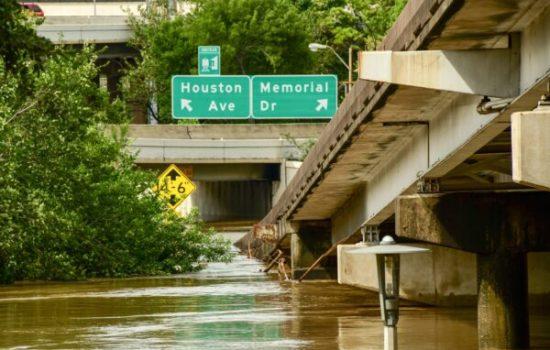
Climate change is no longer a future concern—it is a present-day business challenge. Rising temperatures, extreme weather events, flooding, droughts, wildfires, and sea-level rise are creating significant risks for organizations across industries. As investors, regulators, and stakeholders increasingly focus on climate resilience, ESG and sustainability leaders must understand how these risks could affect their organizations.
A Physical Climate Risk Assessment is one of the most effective tools for identifying, evaluating, and managing climate-related threats. By understanding physical climate risks, organizations can strengthen resilience, improve ESG reporting, and make more informed strategic decisions.
In this guide, Correntics explains everything ESG and sustainability leaders need to know about conducting a Physical Climate Risk Assessment and why it has become an essential component of modern sustainability strategies.
What Is a Physical Climate Risk Assessment?
A Physical Climate Risk Assessment is the process of analyzing how climate-related hazards may impact an organization's assets, operations, workforce, supply chains, and long-term business performance.
The assessment evaluates exposure to physical climate events and environmental changes, helping organizations understand where vulnerabilities exist and what actions can reduce risk.
Common climate hazards analyzed include:
- Flooding
- Heatwaves
- Hurricanes and storms
- Droughts
- Wildfires
- Extreme precipitation
- Coastal erosion
- Sea-level rise
The goal is to identify risks before they become costly disruptions.
Why Physical Climate Risk Assessment Matters
Climate-related disruptions can have serious financial and operational consequences.
Organizations may experience:
- Damage to facilities and infrastructure
- Supply chain interruptions
- Workforce health and safety challenges
- Increased insurance costs
- Reduced operational efficiency
- Regulatory and compliance risks
A Physical Climate Risk Assessment helps organizations proactively prepare for these challenges and strengthen long-term resilience.
The Growing Importance of Climate Risk in ESG
Environmental, Social, and Governance (ESG) frameworks increasingly require organizations to disclose climate-related risks and resilience strategies.
Investors, regulators, and stakeholders want answers to questions such as:
- How exposed is the organization to climate hazards?
- What adaptation measures are in place?
- How could climate risks affect financial performance?
- Is the organization prepared for future climate scenarios?
A comprehensive Physical Climate Risk Assessment provides the data needed to answer these questions with confidence.
Key Components of a Physical Climate Risk Assessment
Climate Hazard Analysis
The first step is identifying climate hazards that could affect the organization.
This involves evaluating:
- Historical climate patterns
- Current climate conditions
- Future climate projections
- Geographic risk exposure
Understanding these hazards helps organizations prioritize areas of concern.
Asset Exposure Assessment
Organizations must determine which assets are vulnerable to climate impacts.
Examples include:
- Offices and facilities
- Manufacturing plants
- Warehouses
- Transportation infrastructure
- Data centers
- Energy systems
Assessing exposure helps quantify potential risks and financial impacts.
Vulnerability Analysis
Not all assets are equally affected by climate events.
A Physical Climate Risk Assessment evaluates:
- Infrastructure resilience
- Emergency preparedness
- Operational dependencies
- Recovery capabilities
This analysis helps identify areas requiring adaptation measures.
Impact Evaluation
Organizations assess the potential consequences of climate hazards.
Possible impacts include:
- Revenue losses
- Business interruptions
- Asset damage
- Increased operating costs
- Supply chain disruptions
Quantifying impacts supports better decision-making and risk management.
Scenario Analysis
Future climate conditions may differ significantly from today's environment.
Scenario analysis helps organizations understand how risks may evolve under different climate pathways and time horizons.
This forward-looking approach supports long-term strategic planning.
Types of Physical Climate Risks
Acute Risks
Acute risks result from sudden climate events.
Examples include:
- Floods
- Hurricanes
- Wildfires
- Severe storms
These events can cause immediate damage and operational disruptions.
Chronic Risks
Chronic risks develop gradually over time.
Examples include:
- Rising temperatures
- Water scarcity
- Sea-level rise
- Long-term drought conditions
Although slower to develop, chronic risks can have significant long-term consequences.
A robust Physical Climate Risk Assessment evaluates both acute and chronic risks.
Benefits of Conducting a Physical Climate Risk Assessment
Improved Risk Management
Organizations gain a clear understanding of vulnerabilities and can implement targeted mitigation measures.
Enhanced ESG Reporting
Climate risk data supports ESG disclosures and demonstrates transparency to stakeholders.
Better Strategic Planning
Understanding future climate risks allows organizations to make more informed investment and operational decisions.
Increased Business Resilience
Proactive adaptation reduces the likelihood of disruptions and improves recovery capabilities.
Stronger Stakeholder Confidence
Investors and customers increasingly favor organizations that actively manage climate-related risks.
Physical Climate Risk Assessment and Regulatory Compliance
Climate disclosure requirements continue to evolve worldwide.
Frameworks such as:
- ISSB
- TCFD
- CSRD
- SEC climate-related disclosure initiatives
encourage or require organizations to assess and disclose climate risks.
A Physical Climate Risk Assessment helps organizations align with these frameworks and support compliance efforts.
Physical Climate Risk Assessment for Supply Chains
Supply chains are often highly vulnerable to climate impacts.
Risks may include:
- Supplier disruptions
- Transportation interruptions
- Resource shortages
- Production delays
By assessing climate risks across supply networks, organizations can develop more resilient sourcing and logistics strategies.
Common Challenges Organizations Face
While climate risk assessments offer significant benefits, organizations often encounter challenges such as:
Limited Climate Data
Accessing reliable and localized climate information can be difficult.
Resource Constraints
Many businesses lack dedicated climate risk expertise.
Complex Climate Models
Interpreting climate projections requires specialized knowledge.
Evolving Regulations
Organizations must continuously monitor changing disclosure requirements.
These challenges highlight the importance of leveraging advanced climate risk tools and expert support.
How Correntics Simplifies Physical Climate Risk Assessment
Correntics helps organizations streamline the Physical Climate Risk Assessment process through advanced climate analytics and ESG reporting solutions.
Key capabilities include:
- Climate hazard analysis
- Risk exposure mapping
- Scenario modeling
- ESG reporting support
- Regulatory compliance alignment
- Sustainability performance tracking
By combining climate science with practical business insights, Correntics enables organizations to make informed decisions and strengthen resilience.
Best Practices for ESG and Sustainability Leaders
To maximize the value of a Physical Climate Risk Assessment, organizations should:
- Integrate climate risk into enterprise risk management
- Conduct regular climate assessments
- Use forward-looking climate scenarios
- Engage cross-functional stakeholders
- Monitor evolving regulatory requirements
- Develop actionable adaptation plans
These practices support long-term sustainability and climate resilience.
The Future of Physical Climate Risk Assessment
As climate risks continue to intensify, physical climate risk assessments will become increasingly important.
Emerging trends include:
- Greater use of AI-powered climate analytics
- More detailed asset-level risk assessments
- Increased regulatory scrutiny
- Expanded climate disclosure requirements
- Stronger integration with ESG reporting
Organizations that invest in climate risk assessment today will be better positioned for future success.
Conclusion
A Physical Climate Risk Assessment is no longer optional for organizations seeking long-term sustainability and resilience. By identifying climate-related vulnerabilities, evaluating potential impacts, and supporting informed decision-making, these assessments help businesses navigate an increasingly uncertain environmental landscape.
For ESG and sustainability leaders, climate risk assessment provides the foundation for effective adaptation strategies, regulatory compliance, and transparent reporting. With advanced tools and data-driven insights from Correntics, organizations can better understand climate risks, protect their operations, and build a more resilient future.

 English
 Arabic
 French
 Portuguese
 Deutsch
 Turkish
 Dutch
Dutch
 Italiano
 Russian
 Romaian
 Portuguese (Brazil)
 Greek
Greek