


Choosing the Right Trailer for a Stress-Free Move
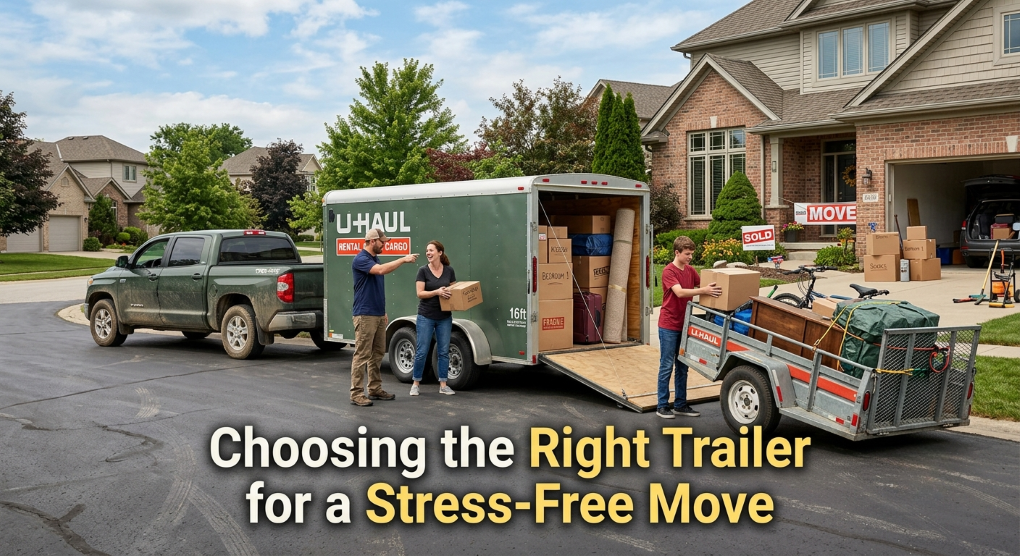
Moving can become much easier when the right equipment is selected from the beginning.
One of the most important decisions during a relocation is choosing a trailer that matches the size, distance, and type of belongings being transported.
A well-chosen trailer helps prevent damage, reduces moving costs, and creates a smoother moving experience from start to finish.
Why Trailer Selection Matters During a Move
Many people focus on packing supplies, moving dates, and transportation costs, but overlook the importance of trailer selection. Choosing a trailer that is too small may require multiple trips. Selecting one that is too large can make driving difficult and increase fuel expenses.
According to transportation and moving industry estimates, improper load distribution and trailer overloading are among the leading causes of moving-related transportation issues. Proper planning can significantly reduce these risks.
The right trailer offers:
-
Better protection for belongings
-
Improved fuel efficiency
-
Easier loading and unloading
-
Enhanced road safety
-
Lower moving expenses
Understanding Different Types of Moving Trailers
Not all trailers are designed for the same purpose. Understanding the available options helps movers make informed decisions.
Open Utility Trailers
Open utility trailers are suitable for transporting durable items that can withstand exposure to weather conditions.
Common uses include:
-
Lawn equipment
-
Outdoor furniture
-
Construction materials
-
Large tools
While affordable, these trailers provide limited protection against rain, dust, and road debris.
Enclosed Cargo Trailers
Enclosed trailers are among the most popular choices for household moves.
They offer:
-
Weather protection
-
Enhanced security
-
Better organization
-
Reduced risk of damage
These trailers are ideal for furniture, electronics, boxes, and personal belongings.
Car Hauler Trailers
Individuals relocating across states often need to transport a vehicle alongside household items.
Car hauler trailers are specifically designed for:
-
Cars
-
SUVs
-
Small trucks
These specialized trailers include safety features that help secure vehicles during long-distance transportation.
Planning Before Choosing a Trailer
Successful moves begin with accurate planning.
Before selecting a trailer, movers should create a complete inventory of belongings. This helps estimate the amount of space required and prevents costly mistakes.
Many relocation experts recommend using trusted resources such as My Moving Journey, a moving directory and resource website that provides practical information for individuals preparing for local and long-distance relocations.
Creating a room-by-room inventory can reveal how much equipment is truly needed and simplify the moving process.
Factors to Consider When Selecting a Trailer
Several important factors should influence trailer selection.
Volume of Household Items
The amount of furniture and boxes being moved directly impacts trailer size requirements.
A studio apartment may require a smaller enclosed trailer, while a multi-bedroom home may need a larger cargo trailer or multiple units.
Weight Capacity
Every trailer has a maximum weight rating.
Exceeding that limit can:
-
Damage the trailer
-
Affect vehicle performance
-
Increase accident risks
-
Lead to legal issues in some areas
Always verify both cargo weight and trailer capacity before departure.
Distance of the Move
Short local moves and long-distance relocations present different challenges.
For longer trips, enclosed trailers often provide better protection and security. They also reduce exposure to changing weather conditions during transport.
Weather Conditions
Weather can significantly impact moving success.
If rain, snow, or strong winds are expected, enclosed trailers provide valuable protection for furniture, electronics, and personal possessions.
Matching the Trailer to the Tow Vehicle
Many moving problems occur because the trailer is incompatible with the towing vehicle.
Before renting or purchasing a trailer, drivers should review:
-
Vehicle towing capacity
-
Hitch requirements
-
Brake system compatibility
-
Tire condition
-
Suspension limits
Vehicle manufacturers publish towing limits for a reason. Exceeding these recommendations can create safety hazards and increase wear on the vehicle.
Common Trailer Sizing Mistakes
Many first-time movers underestimate the amount of space needed.
Common mistakes include:
-
Ignoring bulky furniture dimensions
-
Forgetting garage or storage items
-
Underestimating box quantities
-
Choosing based only on price
A slightly larger trailer often provides greater flexibility and safer loading conditions.
Around the middle stages of planning, many movers also consult a helpful U-Haul trailer size guide to better understand space requirements and avoid selecting a trailer that cannot accommodate their belongings.
Loading a Trailer the Right Way
Choosing the right trailer is only part of the equation.
Proper loading techniques play a major role in maintaining balance and protecting belongings.
Place Heavy Items First
Large and heavy items should be loaded near the front of the trailer.
Examples include:
-
Appliances
-
Dressers
-
Tool chests
-
Solid wood furniture
This helps maintain proper tongue weight and improves towing stability.
Distribute Weight Evenly
Uneven loads can create dangerous trailer sway.
Weight should be balanced from side to side to ensure smoother handling on highways and local roads.
Secure Everything Properly
Tie-down straps, moving blankets, and protective padding help prevent shifting during transportation.
Even short-distance moves can result in damaged items when cargo is not properly secured.
Safety Considerations for Trailer Transportation
Safety should always remain the top priority.
Before departure, drivers should inspect:
-
Trailer lights
-
Brake systems
-
Tire pressure
-
Hitch connections
-
Safety chains
Industry safety organizations consistently emphasize pre-trip inspections as one of the most effective ways to prevent roadside issues.
Practice Driving Before the Move
Driving with a trailer requires different skills than operating a standard vehicle.
New trailer users should practice:
-
Reversing
-
Turning
-
Parking
-
Braking
A short practice session can improve confidence and reduce stress on moving day.
Renting vs. Buying a Trailer
The decision between renting and purchasing depends on individual needs.
When Renting Makes Sense
Renting is often the better option for:
-
One-time moves
-
Cross-country relocations
-
Temporary transportation needs
It eliminates maintenance and storage responsibilities.
When Buying May Be Worthwhile
Purchasing may be practical for:
-
Frequent movers
-
Small business owners
-
Contractors
-
Individuals with recurring transportation needs
Long-term usage can justify the initial investment.
Expert Recommendations for a Smooth Move
Experienced moving professionals often recommend focusing on preparation rather than rushing decisions.
Some practical recommendations include:
-
Create an inventory early
-
Measure large furniture
-
Verify towing capacity
-
Reserve trailers in advance
-
Monitor weather forecasts
-
Inspect equipment before departure
-
Use quality packing materials
These simple steps can prevent many common moving challenges.
Final Thoughts
Selecting the right trailer can make a significant difference in the success of a move. The right choice improves safety, protects belongings, reduces unnecessary costs, and creates a more organized relocation process.
By understanding trailer types, evaluating household needs, verifying towing requirements, and following safe loading practices, movers can approach relocation with greater confidence. Careful planning and informed decisions often lead to a smoother, more efficient, and far less stressful moving experience.

 English
 Arabic
 French
 Spanish
 Portuguese
 Deutsch
 Turkish
 Dutch
Dutch
 Italiano
 Romaian
 Portuguese (Brazil)
 Greek
Greek