


LC-MS Testing Importance in Food Safety and Environmental Analysis
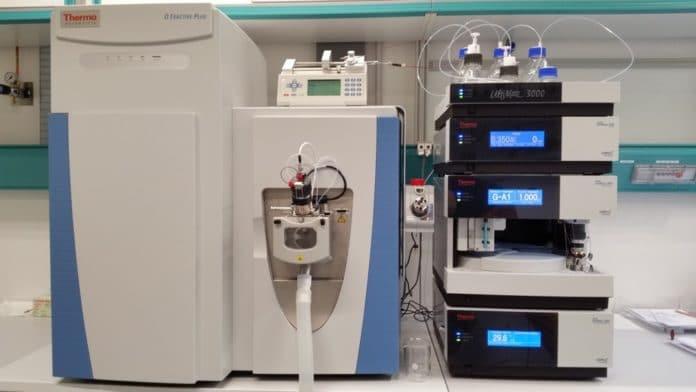
Food safety relies on detecting chemical residues in food supplies and water systems. Modern analytical workflows isolate low concentrations of multi-class pollutants from complex biological matrices. Laboratories standardize procedures to ensure consistent results across sample extraction batches.
These specialized methods help maintain quality standards while reducing environmental risk. Advances in precision instrumentation enable early detection of harmful contaminants before public exposure. Understanding these screening systems supports accurate trace-level quantification and stronger public health protection.
The Role of Modern Fluid Separation Techniques
Screening trace chemicals requires combining efficient molecular separation with precise mass identification steps. Using sensitive LC-MS protocols enables analytical teams to evaluate structural isomers in complex matrices. Liquid chromatography isolates and separates chemical compounds based on their interactions with the column packing material. The separated molecules enter a mass spectrometer for ionization and molecular weight detection.
New chromatographic stationary phases allow faster chemical migration speeds through columns. This update ensures that small polar molecules remain separated from background matrix components. Modern equipment configurations help laboratories identify unknown contaminants that previously evaded standard screening workflows.
High-Throughput Quantitative Screening Systems
Modern agricultural and industrial monitoring programs process hundreds of specimens daily. An automated LC-MS Lab enables efficient handling of high sample volumes through robotic preparation systems that extract target chemicals from soil, tissue, and water samples. This reduces manual error and ensures consistent extraction timing.
Automated platforms use targeted mass detection modes for precise quantification:
- Multiple reaction monitoring (MRM) tracks specific fragmentation patterns for accurate quantification.
- High-resolution mass systems identify exact elemental compositions of unknown pollutants.
- Electrospray ionization (ESI) converts liquid samples into ions with minimal thermal damage.
- Atmospheric pressure chemical ionization (APCI) detects less polar, hydrophobic compounds.
These ionization and detection methods enable simultaneous analysis of diverse chemical classes with high accuracy.
Custom Assay Design for Emerging Pollutants
Detecting newly synthesized chemicals requires continuous updates to laboratory screening methods. Custom LC-MS method development enables optimization of instrument parameters for new analytes, including mobile phase composition, gradient flow rates, and collision energy. These adjustments improve sensitivity for trace pesticides, pharmaceuticals, and perfluorinated compounds.
Optimized protocols provide key benefits:
- Reduced run times via shorter columns and adjusted gradients
- Lower solvent use through reduced flow rates
- Minimized matrix effects by improved analyte separation
- Lower detection limits via optimized ion source conditions
These updates ensure analytical methods remain aligned with evolving environmental regulations.
Must Read: Immunogenicity Assay Role in Pharmacokinetics Assay Studies
Specialized Testing in Regulated Environments
Different monitoring programs require specific certifications to ensure data reliability. A certified LC-MS laboratory follows strict international quality standards, including routine calibration, controlled sample storage, and contamination prevention across high- and low-concentration samples.
Regulated labs maintain detailed validation records for each workflow:
- Linear range studies define accurate quantitation limits.
- Accuracy checks compare results with certified reference standards.
- Carryover testing prevents cross-sample interference.
- Retention time monitoring ensures consistent analyte elution.
These validation parameters ensure regulatory compliance and support audit-ready analytical reporting.
Applying Mass Spectrometry to Complex Matrices
Food safety and environmental analysis often involve detecting trace contaminants within highly complex biological matrices. Applying mass spectrometry to complex matrices requires efficient extraction and clean-up strategies to ensure accurate quantification. Implementing a validated LC-MS assay helps scientists separate target pesticides from lipid-rich samples, while advanced methods such as QuEChERS protocols remove interfering background compounds and reduce ion suppression at the instrument level.
Proper sample clean-up methodologies focus on specific matrix challenges to ensure data accuracy:
- Dispersive solid-phase extraction removes organic pigments and fatty acids from fruit extracts.
- Solid-phase extraction cartridges concentrate trace water pollutants while discarding mineral salts.
- Liquid-liquid extraction separates lipophilic toxins from aqueous components of the sample using organic solvents.
- Protein precipitation removes large matrix proteins from biological tissue samples before analysis.
Applying the appropriate extraction technique ensures that mass spectrometers receive clean analyte streams for reliable detection and quantification.
Exploring Diverse Biomarker Testing Protocols
Analytical platforms are increasingly used to measure protein biomarkers in veterinary health screening. Advanced workflows support multiplexed Cytokine Analysis in animal studies, helping track inflammatory responses in livestock exposed to environmental toxins. These markers can indicate physiological stress before visible symptoms develop.
Validation protocols for protein biomarker testing assess key performance parameters:
- Digestion efficiency ensures complete enzymatic breakdown of target proteins.
- Internal standard tracking compensates for peptide losses during preparation.
- Injection precision testing verifies consistent autosampler delivery.
- Matrix recovery studies evaluate interference from biological components.
Meeting these validation criteria ensures reliable protein quantification for veterinary safety and research applications.
Conclusion
Precision mass spectrometry testing provides the foundational chemical data required for modern public safety monitoring. Combining liquid chromatography separation with accurate mass detection allows laboratories to identify hazardous chemicals early. Custom method design ensures that testing facilities adapt to emerging industrial and agricultural pollutants. Using validated laboratory protocols meets international regulatory requirements and minimizes consumer exposure risks. Implementing these rigorous analytical testing strategies ensures that contaminated food and water supplies are identified quickly.

 English
 Arabic
 French
 Spanish
 Portuguese
 Deutsch
 Turkish
 Italiano
 Russian
 Romaian
 Portuguese (Brazil)
 Greek
Greek