


The Future of Sustainable Clean Energy: Deep Earth Utility Power in the Lone Star State
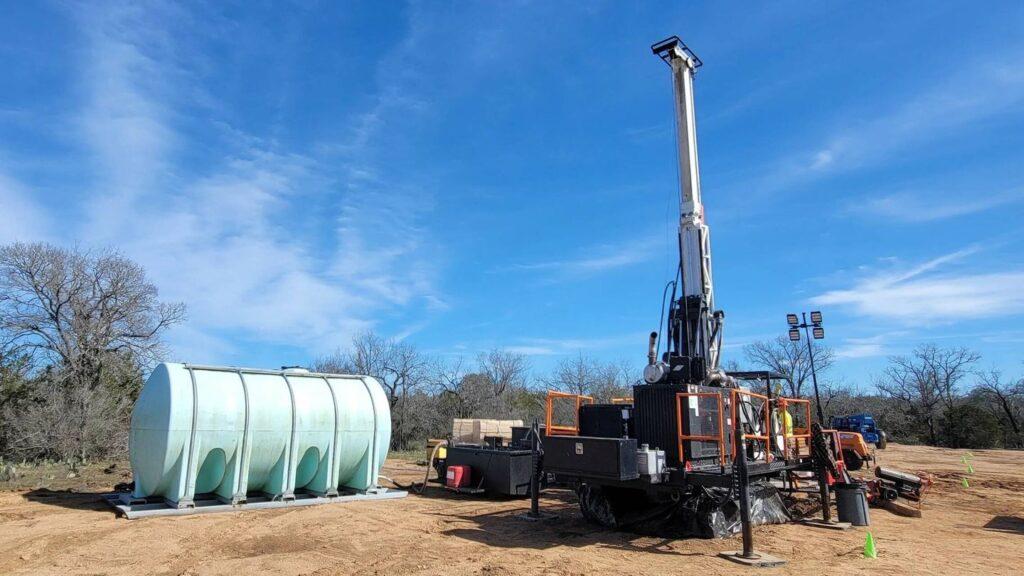
As global demand for clean, resilient, baseload electricity continues to soar, innovative energy developers are looking beneath the surface of the Lone Star State to unlock an untapped thermal goldmine. Geo Energy Resources, an emerging leader in next-generation renewable infrastructure, is spearheading this transition by using a cutting-edge closed-loop geothermal system tailored to the unique geological profiles across Texas. Unlike volatile wind or solar assets that depend heavily on favorable weather conditions, this advanced technology extracts a continuous, non-intermittent stream of thermal energy from hot subsurface rock formations without depleting native water supplies. By eliminating the historical requirement for natural underground hydrothermal reservoirs, this modern engineering framework provides commercial stakeholders, industrial manufacturers, and municipal utility providers with a completely secure, scalable, and emission-free power alternative.
What Exactly Is an Advanced Closed-Loop Geothermal System?
Advanced closed-loop systems represent a radical evolutionary leap forward from conventional hydrothermal technology by operating independently of natural subsurface water availability or subterranean rock permeability. In traditional geothermal setups, developers must find pre-existing underground hot springs or utilize high-pressure hydraulic fracturing to create artificial pathways within deep rock reservoirs to extract thermal energy.
However, a modern closed-loop geothermal system bypasses these structural constraints entirely by circulating an isolated working fluid through an engineered network of deeply buried, heavily sealed steel pipes. This fluid acts as a clean heat-conduction medium that continuously absorbs the Earth’s natural warmth via direct contact with hot-dry-rock (HDR) zones before traveling back to the surface. Consequently, this design eliminates the risk of water loss, prevents the surface release of toxic underground brines, and completely mitigates the micro-seismic concerns historically linked with traditional deep-well stimulations.
The Structural Design of Multi-Lateral U-Tube Configurations
To maximize surface-area contact deep within hot rock formations, developers frequently deploy a multilateral U-tube configuration in which an initial vertical injection well branches into multiple horizontal lateral pipes. These horizontal legs are drilled using modified oil-and-gas directional-steering technologies to span thousands of feet across targeted thermal sweet spots. The isolated working fluid travels down through the cold side, steadily builds up massive heat reserves via pure conductive transfer, and returns up a separate production well to generate continuous surface energy.
The Mechanics of Coaxial Pipe-in-Pipe Solutions
For localized or retrofitted footprints, a coaxial or "tube-in-tube" design is heavily utilized to extract thermal energy using a single, isolated wellbore. In this setup, cool fluid is pumped down through the outer ring (annulus) of the well casing, gathering intense heat from the surrounding rock matrix as it descends deeper. Once it hits the bottom of the wellbore, the pressurized hot fluid is forced into a heavily insulated inner tube, surging back to the surface with minimal heat loss along the way.
How Supercritical Fluids Enhance Thermal Collection Efficiency
To maximize efficiency at extreme depths, many forward-thinking operations are transitioning away from standard water and deploying supercritical carbon dioxide (sCO2) as their primary subterranean working fluid. Because sCO2 possesses a low viscosity combined with a high density, it exhibits a natural "thermosiphon" effect that reduces the parasitic electrical pumping loads required to circulate the fluid, significantly dropping the overall levelized cost of electricity (LCOE).
Why Is Texas Becoming the Epicenter for Next-Gen Geothermal Power?
The state of Texas is uniquely positioned to dominate the next era of clean energy deployment due to an extraordinary convergence of vast thermal resources, deep regulatory alignment, and an unparalleled drilling labor pool. For over a century, the local economy has been built entirely around subsurface exploration, creating an industrial infrastructure that translates seamlessly into harvesting deep-earth heat.
Furthermore, as the state's independent power grid, ERCOT, faces unprecedented demand spikes from massive data center developments and expanding industrial operations, the need for firm, dispatchable clean energy has never been more urgent. Therefore, commercial enterprises are rapidly looking to diversify their power portfolios with reliable assets that can run consistently 24 hours a day, 7 days a week, regardless of external weather patterns.
Transitioning Oil and Gas Infrastructure to Clean Energy Production
The extensive presence of thousands of depleted or underperforming hydrocarbon wells across East and West Texas presents a multi-billion-dollar optimization opportunity for progressive operators. Instead of spending immense capital to permanently plug and abandon these legacy wellbores, companies can structurally retrofit them with specialized downhole heat exchangers. This circular-economy approach slashes initial capital expenditures, shortens project development timelines, and directly creates a sustainable, long-term pathway for industrial asset repurposing.
Leveraging the Expertise of the Local Oilfield Labor Pool
The precise execution of deep horizontal drilling requires specialized technical expertise that already exists in abundance throughout the Permian Basin and Gulf Coast regions. Texas oilfield engineers, mud loggers, and directional drillers possess decades of experience navigating complex underground sedimentary layers and high-pressure thermal regimes. Consequently, scaling up deep clean energy operations does not require building a new industrial workforce from scratch; it simply requires pointing our world-class teams toward a different target.
Meeting the Skyrocketing Energy Demands of Texas Data Centers
Texas Energy Fact: Data centers operating within Texas are projected to require thousands of additional megawatts of new power capacity before the end of the decade. Because these facilities run intensive computational workloads around the clock, intermittent renewables like wind and solar cannot fully support their operational footprints without massive, expensive battery storage arrays, making deep-earth power the logical clean alternative.
How Does Geo Energy Resources Drive This Thermal Evolution?
As a pioneering infrastructure entity, Geo Energy Resources is actively transforming the clean energy landscape by developing high-capacity utility projects designed to fortify local municipal grid systems. The company specializes in identifying high-temperature rock anomalies across the state and matching them with advanced closed-loop well configurations.
By engineering custom downhole networks that maximize conductive surface area without ever fracturing the surrounding rock matrix, the firm provides an incredibly safe, predictable, and highly efficient energy output. This meticulous corporate focus on safety, regulatory adherence, and infrastructure scaling makes Geo Energy Resources a trusted commercial partner for enterprises seeking long-term power purchase agreements (PPAs).
Utilizing Advanced Thermodynamic Modeling for Site Optimization
Before breaking ground on any deep-well operation, engineering teams leverage state-of-the-art predictive software to map out the local geothermal gradient and thermal conductivity profiles. This precise computing protocol allows operators to model long-term heat depletion rates across a 30-to-40-year project lifecycle, ensuring the well geometry is perfectly balanced to maintain a steady, highly profitable energy output over several decades. [Suggest Source: Department of Energy Geothermal Technologies Office Guidelines]
Forging Strategic Capital Alliances for Utility-Scale Infrastructure
Executing multi-well deep drilling campaigns requires robust financial backing and highly structured deployment strategies. The leadership team maintains active corporate alliances with major institutional infrastructure funds and clean tech investors to ensure all regional projects are fully funded from initial exploration through to final grid interconnection. This structural capitalization completely removes execution risks and guarantees project delivery for municipal and corporate off-takers.
Streamlining the ERCOT Interconnection Permitting Process
Commercial Example: By deliberately choosing closed-loop designs over traditional hydrothermal methods, project development timelines are shortened significantly. Because these closed systems do not interact with shallow water tables or extract native subsurface fluids, they face far fewer regulatory hurdles, allowing the company to secure environmental permits and ERCOT grid access months faster than conventional clean energy projects.
What Commercial Benefits Do Geothermal PPAs Offer to Large Enterprises?
From a purely corporate standpoint, entering into a long-term power purchase agreement (PPA) backed by deep-earth thermal assets offers unmatched financial stability and operational predictability. While traditional clean energy options help companies hit their corporate carbon reduction metrics, they introduce severe merchant power pricing risks due to their variability. In contrast, utility power derived from deep conduction systems provides a perfectly flat, predictable production profile that acts as a natural hedge against volatile peak electricity pricing. Moreover, these systems boast an exceptionally small surface footprint, allowing industrial facilities to generate massive amounts of clean power directly on-site or adjacent to their primary manufacturing hubs.
Locking in Fixed Long-Term Energy Costs
Unlike natural gas generation, which exposes corporate buyers to sudden commodity price shocks, deep-earth energy assets require zero ongoing fuel purchases once the initial drilling infrastructure is in place. This allows developers to offer long-term contracts with highly predictable fixed pricing structures spanning up to 25 years. Consequently, corporate financial officers can forecast their operational overhead expenses with extreme accuracy, completely removing macroeconomic energy market volatility from their balance sheets.
Maximizing 24/7 Corporate Sustainability Metrics
Many Fortune 500 enterprises are shifting away from general annual carbon offsets and transitioning toward a strict "24/7 Carbon-Free Energy" matching framework. This rigorous standard requires companies to power their operations with clean energy generated at the exact hour and on the exact same regional grid where the consumption occurs. Because deep-earth power options deliver a steady, unyielding baseload stream, they are uniquely qualified to fulfill these complex corporate sustainability mandates effortlessly.
Drastically Minimizing Physical Surface Land Footprints
Compared to utility-scale solar farms or massive wind generation arrays that require thousands of open surface acres to generate meaningful power, a deep closed-loop plant produces equivalent energy on a fraction of the land. Because the vast majority of the thermal collection infrastructure is buried deep underground, the visible surface facility features a minimal footprint, making it ideal for direct on-site integration within tight industrial parks and manufacturing zones.
What Are the Most Common Misconceptions About Modern Geothermal Energy?
Despite the rapid technological evolution taking place across the clean energy sector, several legacy myths regarding deep-well exploration continue to persist among general market observers. Most of these outdated concerns stem from historical experiences with early hydrothermal plants, which were limited to very specific geographic regions and carried notable resource consumption profiles.
By educating corporate real estate managers, grid operators, and community stakeholders on the mechanical realities of modern closed-loop engineering, we can clear the path for rapid infrastructure deployment. Addressing these concerns directly helps decouple next-generation deep thermal collection from older, high-impact extractive processes.
Fact: Next-Generation Systems Can Be Deployed Anywhere on Earth
The most widespread misconception is that deep thermal power is only viable in regions with active volcanic activity, hot springs, or tectonic plate boundaries like Iceland or California. While this was completely true for first-generation plants, modern deep conduction technology can be scaled anywhere globally, provided you drill to the appropriate depth to reach the required temperature gradient. This changes the asset class entirely from a rare geographic anomaly into a universally accessible, baseload resource available to any region.
Fact: Sealed Pipe Systems Maintain a Zero-Loss Fluid Lifecycle
Another common concern is that deep-well drilling will deplete local agricultural aquifers or contaminate clean drinking water systems. In a highly engineered closed-loop installation, the working fluid is permanently encased inside heavy-gauge, multi-barrier steel casing strings that are fully isolated from the surrounding environment with specialized thermal grout. Because the internal fluid is continuously recycled through a closed loop with zero subsurface environmental exposure, there is absolutely zero consumption or contamination of local water supplies.
Fact: Smooth Thermal Conduction Completely Eliminates Seismic Risks
Safety Fact: Many people confuse enhanced geothermal systems (EGS), which rely on high-pressure fluid injections to physically shear deep open rock fractures, with closed-loop installations. Because closed-loop configurations rely exclusively on pure thermal conduction through intact rock to gather heat, they require absolutely no hydraulic fracturing or high-pressure rock stimulation, completely eliminating the risks of induced seismicity or micro-fracturing.
Conclusion: Partnering with Geo Energy Resources for a Resilient Future
The transition toward a fully decarbonized industrial infrastructure requires moving beyond intermittent power sources and investing heavily in reliable, continuous baseload solutions. By unlocking the vast thermal potential of Texas hot-dry-rock formations through an advanced closed-loop geothermal system, Geo Energy Resources is establishing a brand-new paradigm for resilient corporate power generation. This sophisticated approach provides commercial enterprises with a powerful tool to secure fixed long-term utility costs, meet stringent 24/7 clean energy mandates, and maximize land-use efficiency without facing structural resource constraints or environmental liabilities. Embracing this next-generation deep-earth utility technology ensures that your enterprise remains entirely resilient, sustainable, and economically competitive within an evolving global marketplace.

 English
 Arabic
 French
 Portuguese
 Deutsch
 Turkish
 Dutch
Dutch
 Italiano
 Russian
 Romaian
 Portuguese (Brazil)
 Greek
Greek