


Inheriting the Invisible: What We Really Receive from the Spiritual Legacy of a Mother
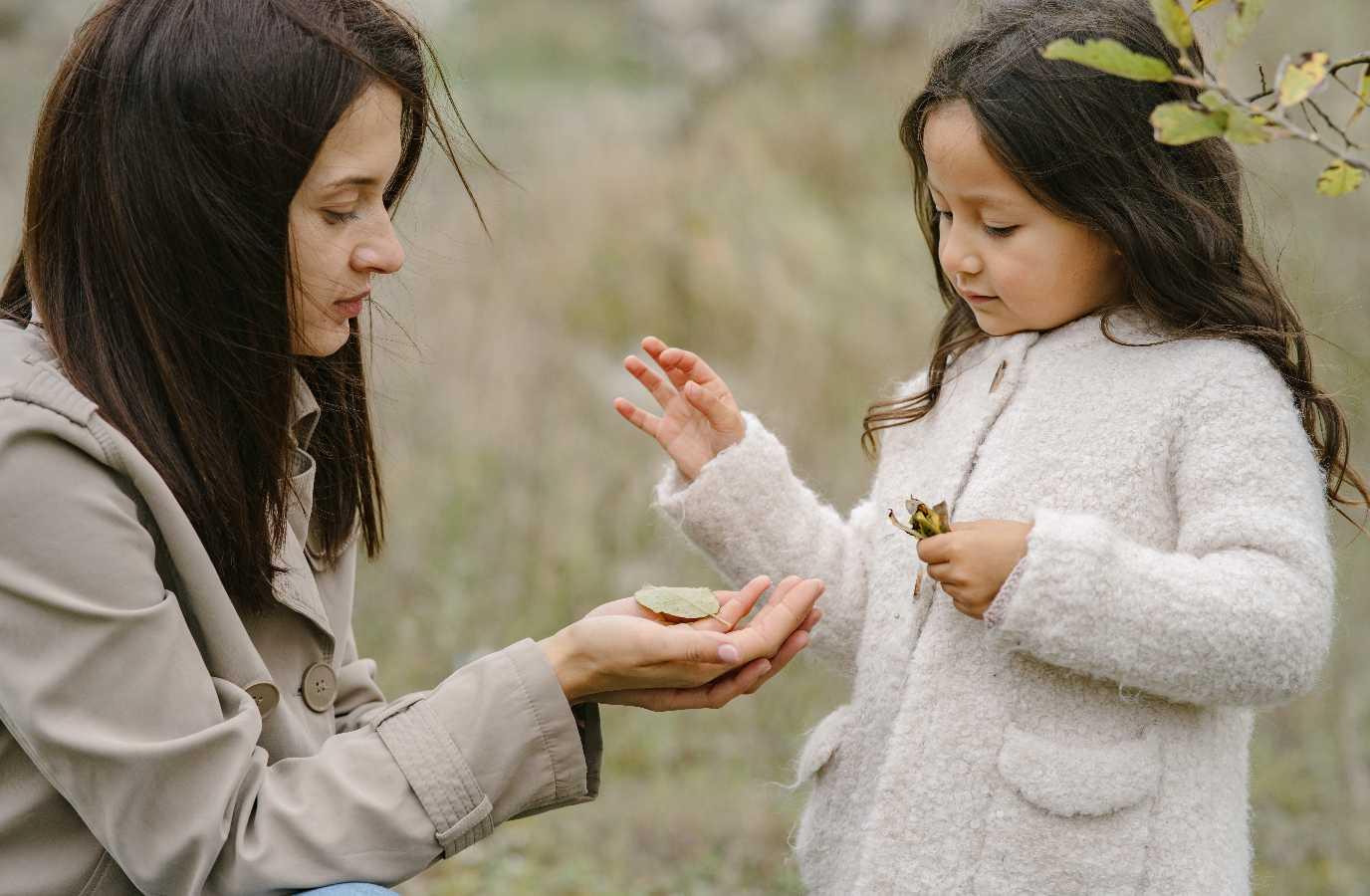
There’s a moment that happens in many families after a parent dies. Someone opens a drawer and finds old photographs, recipe cards with faded handwriting, a wedding ring wrapped in cloth, maybe a stack of letters tied together with ribbon.
These objects matter. They carry memory.
But many of us have wondered whether the deepest inheritance from a mother is something far less visible.
What about the way she responded to disappointment?
The prayers whispered before dawn while everyone else slept?
The habit of setting another plate at the table, even after an argument?
The strange calm she carried through suffering that never fully made sense?
Those things rarely appear in wills. Yet they shape generations.
The spiritual legacy of a mother is often built from invisible materials, habits, silences, sacrifices and gestures repeated so consistently that children absorb them long before they understand them.
And sometimes, the women who leave the deepest spiritual imprint are the ones history barely notices.
The Mothers Who Never Take the Stage
Modern culture tends to celebrate visible achievement. We admire public influence, polished expertise and carefully documented success. Even in spiritual spaces, visibility can quietly become its own currency.
But history and faith traditions across cultures keep returning to ordinary women whose lives looked small from the outside.
Think about the quiet endurance of mothers during wartime. Or the women in immigrant families who carried entire emotional worlds without language, status, or recognition. Or even literary figures like Marmee in Little Women, whose moral influence shaped her children less through speeches than through daily steadiness.
There’s something universally recognizable in these women. They rarely control events. They rarely receive applause. Yet they create an atmosphere where others grow inside.
That’s what makes stories like Maria Goretti so compelling.
Not because her life was glamorous, it wasn’t. But it reveals how holiness, character, and resilience can be transmitted quietly, almost invisibly, from one generation to the next.
What Children Remember
Psychologists often talk about “emotional inheritance,” the way children unconsciously absorb patterns from the adults around them. Long before children analyze values intellectually, they experience them bodily.
They remember tension at the dinner table.
They remember whether forgiveness was practiced or merely preached.
They remember whether prayer felt natural or performative.
It’s fascinating to consider how often a parent’s smallest repeated actions become the deepest memories.
A mother lighting a candle before bed.
A father apologizing after losing his temper.
A grandmother pausing before meals in silent gratitude.
These moments seem insignificant while they’re happening. Yet years later, they become anchors.
The spiritual legacy of a mother often works exactly this way. Not through dramatic instruction, but through repetition. Through rhythm. Through the atmosphere.
Maria Goretti’s life reflected this kind of hidden formation. She endured poverty, rejection, grief, and family strain not with perfection, but with persistence. Her faith wasn’t loud. It was woven into routines: prayer, endurance, forgiveness, Eucharistic devotion and sacrifice for her children.
And that kind of witness leaves marks.
The Power of “Silent Exemplarity”
There’s an old phrase sometimes used in spiritual writing: “silent exemplarity.” It sounds formal at first, but the idea behind it is deeply human.
We learn most profoundly from people who embody what they believe.
Not flawlessly. Not theatrically. But consistently.
Many of us have experienced the opposite, too. We’ve encountered people whose public message and private life felt painfully disconnected. That disconnect creates cynicism quickly.
But when someone’s ordinary life quietly matches their convictions, trust grows almost instinctively.
Maria’s life reflected this kind of integrity. She did not teach through speeches or public platforms. Her “teaching” happened through daily fidelity:
● Remaining steadfast when labeled a source of misfortune
● Continuing to pray through grief after losing her son
● Sacrificing personal possessions for her child’s future
● Choosing forgiveness even in emotionally painful relationships
These are not cinematic acts. They are slow acts.
And slow acts often shape people more deeply than dramatic ones.
The Loom We Don’t Notice Until Later
One of the most striking metaphors for spiritual inheritance is the loom.
A weaver works with both dark and light threads. Remove every dark thread, and the pattern loses depth. But while the weaving is happening, the design rarely makes sense up close.
Life feels similar.
Most parents worry about the “dark threads” their children witness: illness, financial struggle, conflict, grief, exhaustion. Understandably so. No loving mother wants her children to suffer.
But children are not shaped only by suffering itself. They are shaped by how suffering is carried.
This is a nuance many people misunderstand at first. The goal is not pretending pain doesn’t exist. Nor is it glorifying hardship. The deeper lesson is integration.
Can sorrow coexist with tenderness?
Can disappointment coexist with faithfulness?
Can grief coexist with love?
The spiritual legacy of a mother is often formed precisely in these tensions.
Not by removing darkness, but by refusing to let darkness become the whole pattern.
What Lasts Longer Than Achievement
Worldly legacies tend to have expiration dates.
Careers end. Possessions scatter. Public recognition fades faster than we expect. Entire generations forget names that once seemed unforgettable.
But certain interior inheritances travel remarkably far.
A mother’s prayer life can echo into grandchildren she never meets.
A hidden act of forgiveness can interrupt generations of bitterness.
A steady practice of faith can quietly redefine what “normal” means within a family.
This is why so many spiritual traditions place extraordinary emphasis on ordinary fidelity.
Not because ordinary life is glamorous. But because it accumulates.
Day after day. Year after year.
Like water shaping stone.
The Eucharistic Shape of Everyday Life
One detail that often appears in stories of enduring faith is consistency in worship. Not emotional intensity. Not spiritual novelty. Consistency.
Maria’s regular devotion to Mass even into old age reflects something many modern readers find both beautiful and difficult.
We tend to associate meaningful spirituality with emotional experiences: inspiration, motivation and breakthrough moments. But sacramental traditions often emphasize something quieter: returning.
Returning when tired.
Returning when distracted.
Returning when nothing dramatic happens.
There’s wisdom in that rhythm.
Think about relationships that last decades. They are rarely sustained by emotional highs alone. They survive through repeated presence.
The same may be true spiritually.
And perhaps children learn this not from explanations, but from watching adults continue showing up.
Becoming Someone’s Inheritance
At some point, every adult becomes an ancestor of sorts, not only biologically, but emotionally and spiritually.
Even people without children leave patterns behind. Friends inherit them. Students inherit them. Communities inherit them.
So the question isn’t whether we’re leaving a legacy.
We are.
The question is: what kind?
The spiritual legacy of a mother reminds us that influence is rarely limited to public accomplishments. More often, it’s carried through hidden fidelity: how someone loved, forgave, endured, prayed, listened, stayed.
The things that never trend online.
The things no algorithm rewards.
The things that nevertheless shape souls.
And maybe that’s comforting.
Because it means a meaningful life does not require spectacle.
Sometimes it looks like an ordinary woman in an ordinary home, weaving invisible threads that will outlast her by generations.

 English
 Arabic
 French
 Spanish
 Portuguese
 Deutsch
 Turkish
 Dutch
Dutch
 Italiano
 Romaian
 Portuguese (Brazil)
 Greek
Greek