


Navigating the Transition: Hospital Discharge to Home Basic Care Nursing
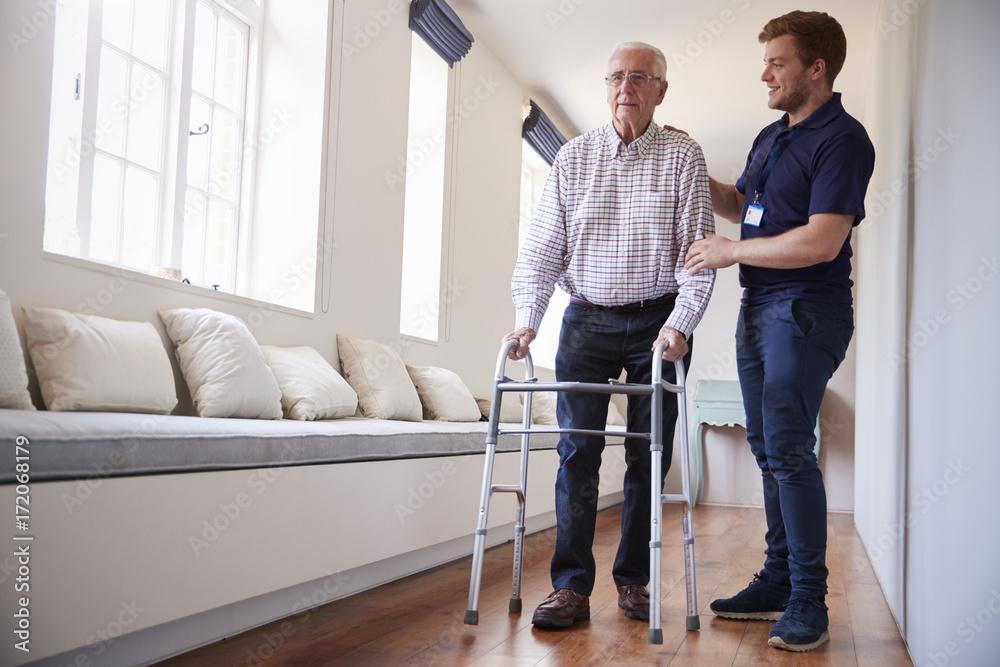
Leaving the hospital is often a welcome step in the recovery process. However, for many seniors and their families, the transition from hospital care to home can also feel overwhelming. New medications, follow-up appointments, mobility challenges, and ongoing health needs can make the first few weeks difficult to manage.
This is where nursing care at home becomes essential. Professional nursing support helps bridge the gap between hospital treatment and independent living, ensuring patients receive the care they need while recovering in the comfort of their own homes.
With proper planning, monitoring, and support, families can reduce complications, promote recovery, and help seniors regain confidence after discharge.
Why the Transition from Hospital to Home Matters
The period immediately following hospital discharge is one of the most critical stages of recovery.
Research shows that many hospital readmissions occur within the first 30 days after discharge. Common reasons include medication errors, poor symptom management, missed follow-up appointments, and difficulties following care instructions.
Older adults are particularly vulnerable because they may be recovering from surgery, illness, injury, or worsening chronic conditions.
A structured transition plan supported by home nursing services can help reduce these risks and improve recovery outcomes.
What Is Hospital-to-Home Basic Care Nursing?
Hospital-to-home basic care nursing involves professional nursing support provided after discharge to help patients recover safely at home. Services may include medication management, health monitoring, wound care, mobility assistance, patient education, and coordination with healthcare providers.
Common Challenges After Hospital Discharge
Returning home often brings new responsibilities for both patients and caregivers.
Some of the most common challenges include:
-
Managing multiple medications
-
Understanding discharge instructions
-
Limited mobility
-
Fatigue and weakness
-
Wound care needs
-
Monitoring symptoms
-
Preventing falls
-
Scheduling follow-up appointments
Without adequate support, these challenges can increase the risk of complications and hospital readmission.
The Role of Nursing Care at Home After Discharge
Professional nursing care at home provides ongoing medical support during the recovery period.
Home nurses work closely with patients, families, and physicians to ensure care plans are followed correctly and health concerns are addressed early.
Key Responsibilities of Home Nurses
Home nurses may assist with:
-
Medication administration and monitoring
-
Vital sign assessments
-
Wound care and dressing changes
-
Chronic disease management
-
Recovery after surgery
-
Health education
-
Pain management monitoring
-
Coordination with healthcare providers
Their goal is to support safe recovery while helping patients maintain independence whenever possible.
Medication Management: A Critical Part of Recovery
Medication changes are common after hospitalization.
Patients may receive:
-
New prescriptions
-
Adjusted dosages
-
Discontinued medications
-
Temporary medications for recovery
Mistakes can happen when patients or family members are unsure about medication schedules.
How Home Nursing Services Help
Home nursing services can support medication safety by:
-
Reviewing prescriptions
-
Creating medication schedules
-
Monitoring side effects
-
Identifying potential medication concerns
-
Educating patients and caregivers
Proper medication management is one of the most effective ways to prevent avoidable complications after discharge.
Monitoring Recovery and Detecting Problems Early
Many health complications develop gradually.
Regular nursing assessments help identify warning signs before they become serious.
Home nurses monitor:
-
Blood pressure
-
Heart rate
-
Temperature
-
Oxygen levels
-
Pain levels
-
Swelling
-
Wound healing
-
Changes in physical or mental condition
Early intervention can help prevent emergency situations and improve recovery outcomes.
Supporting Mobility and Fall Prevention
Many seniors experience weakness after hospitalization.
Reduced strength and balance can increase the risk of falls, which remains one of the leading causes of injury among older adults.
Fall Prevention Strategies
Home nurses may recommend:
-
Removing tripping hazards
-
Improving home lighting
-
Using mobility aids correctly
-
Installing grab bars
-
Encouraging safe movement and exercise
These measures help create a safer recovery environment.
Wound Care and Post-Surgical Support
Patients recovering from surgery often require ongoing wound management.
Proper wound care is essential to:
-
Prevent infection
-
Promote healing
-
Reduce discomfort
-
Identify complications early
Signs That Require Medical Attention
Patients should contact a healthcare provider if they experience:
-
Increased redness around the wound
-
Swelling
-
Fever
-
Drainage or unusual discharge
-
Severe pain
Professional nursing care at home ensures wounds are monitored and treated according to medical instructions.
The Importance of Patient and Family Education
Many hospital stays involve complex medical information.
Patients and caregivers may feel uncertain about how to manage care at home.
Home nurses provide education on:
-
Medication schedules
-
Diet recommendations
-
Activity restrictions
-
Symptom monitoring
-
Disease management
-
Emergency warning signs
Better understanding helps families feel more confident and prepared.
Coordinating Follow-Up Care
Successful recovery often depends on continued medical oversight.
Home nurses help patients stay on track by:
-
Scheduling follow-up appointments
-
Monitoring treatment progress
-
Communicating with physicians
-
Updating care plans when needed
This coordinated approach supports continuity of care and reduces gaps in treatment.
Benefits of Home Nursing Services After Hospital Discharge
Professional home nursing services provide several important benefits:
Improved Patient Safety
Regular monitoring helps identify concerns early.
Reduced Hospital Readmissions
Proper follow-up care lowers the risk of preventable complications.
Greater Comfort
Patients recover in familiar surroundings while receiving professional support.
Enhanced Family Support
Caregivers receive guidance and assistance throughout the recovery process.
Personalized Care
Care plans can be tailored to the patient's specific health needs and recovery goals.
Best Practices for a Smooth Hospital-to-Home Transition
Families can support recovery by following these steps:
Review Discharge Instructions Carefully
Ensure all medications, appointments, and care requirements are clearly understood.
Prepare the Home Environment
Create a safe and comfortable space for recovery.
Keep Medical Information Organized
Maintain records of medications, appointments, and health updates.
Encourage Open Communication
Report new symptoms or concerns promptly.
Consider Professional Nursing Support
Qualified nursing care can provide valuable assistance during the recovery period.
Frequently Asked Questions
What is hospital-to-home nursing care?
Hospital-to-home nursing care involves professional healthcare services provided after hospital discharge to support recovery, monitor health, and help patients safely manage their care at home.
Who benefits from nursing care at home after discharge?
Seniors, post-surgical patients, individuals with chronic illnesses, and those recovering from serious medical conditions can all benefit from professional nursing support at home.
How do home nursing services reduce hospital readmissions?
Home nurses help manage medications, monitor symptoms, provide education, and identify health concerns early, reducing the likelihood of preventable complications.
How long does home nursing support typically last?
The duration depends on the patient's condition, recovery goals, physician recommendations, and overall care needs.
What should families watch for after hospital discharge?
Families should monitor for fever, breathing difficulties, worsening pain, confusion, swelling, signs of infection, or any sudden changes in health status and seek medical advice when needed.
Conclusion
The journey from hospital discharge to recovery at home can be challenging, especially for older adults. Proper support during this transition is essential for preventing complications, promoting healing, and maintaining patient safety.
Professional nursing care at home provides the medical supervision, education, and personalized attention of patients need during this critical period. Combined with high-quality home nursing services, families can feel confident that their loved ones are receiving the support necessary for a safer and more successful recovery at home.

 English
 Arabic
 French
 Spanish
 Portuguese
 Deutsch
 Turkish
 Dutch
Dutch
 Italiano
 Russian
 Romaian
 Portuguese (Brazil)