


What Can Automotive Paint Correction Fix That Regular Car Washing Cannot?
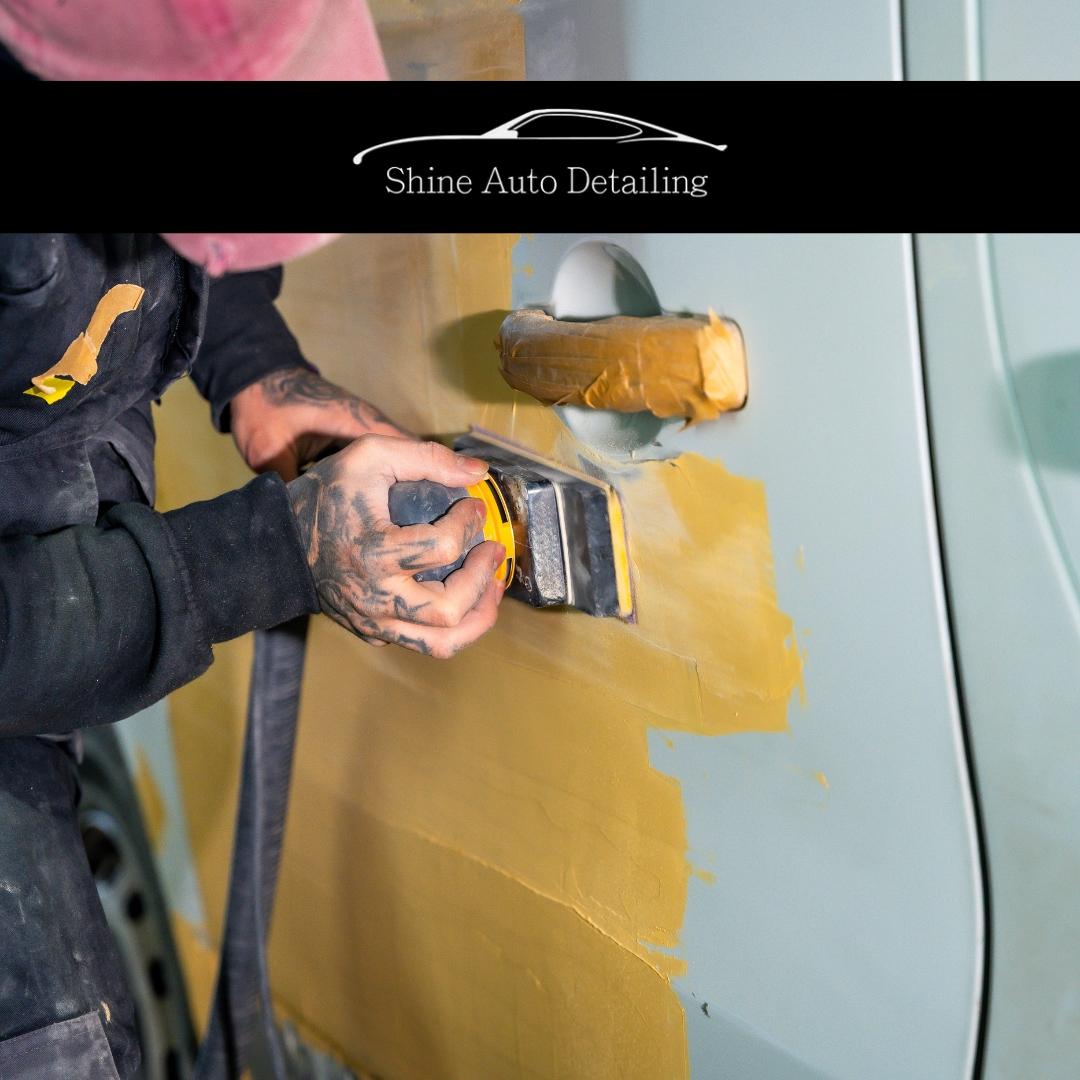
Regular car washing is essential for removing dust, mud, road film, and other surface-level contaminants. However, it cannot fix defects that are embedded within the vehicle’s clear coat or paint structure. Automotive paint correction focuses on restoring paint condition by addressing deeper imperfections that affect gloss, clarity, and light reflection. These issues cannot be removed through washing alone, no matter how frequently the vehicle is cleaned.
Why a Clean Car Doesn’t Always Mean a Healthy Paint Surface
Have you ever washed your car and still felt it didn’t look “right”?
It’s a common situation. The surface is clean, but the paint still looks dull or uneven under sunlight. This happens because washing only removes what sits on top of the surface, not what has developed inside the paint over time.
This is where automotive paint correction becomes relevant. Instead of focusing on surface cleaning, it addresses how the paint itself behaves when exposed to light and environmental wear.
What Regular Car Washing Cannot Fix
1. Damage Inside the Clear Coat Layer
A car wash cannot repair defects that sit below the surface. These imperfections affect how the paint reflects light and create a dull or cloudy appearance.
2. Loss of Gloss and Depth
Even after a thorough wash, paint may still lack shine. This is not dirt-related but linked to long-term exposure, aging, and surface breakdown. Washing cannot restore lost visual depth.
3. Uneven Light Reflection
Healthy paint reflects light evenly. When the surface is damaged at a microscopic level, light scatters instead of reflecting cleanly. This cannot be corrected through washing.
4. Surface Texture Irregularities
Over time, the paint surface develops a fine irregular texture. You may not feel it directly, but it affects how smooth and reflective the car looks.
5. Oxidized or Dull Appearance
Faded paint is often mistaken for simple dirt buildup. In reality, prolonged UV exposure from the sun causes a chemical reaction that changes the paint’s condition at a microscopic level. Washing removes surface contamination, but it cannot reverse this underlying environmental breakdown.
How Automotive Paint Correction Actually Works
Unlike washing, automotive paint correction is a controlled mechanical process that refines the clear coat surface. It removes or reduces imperfections by leveling the top layer of paint safely.
This process focuses on improving how the paint interacts with light, not just how clean it looks.
Professionals offering paint correction services typically assess paint condition first, then choose the right level of correction depending on the severity of imperfections.
Key Differences Between Washing and Paint Correction
|
Regular Car Washing |
Automotive Paint Correction |
|
Removes surface dirt |
Addresses paint defects |
|
Temporary visual improvement |
Long-term visual refinement |
|
No effect on clear coat issues |
Works within clear coat level |
|
Routine maintenance |
Specialized service |
|
Focus on cleanliness |
Focus on paint condition |
This difference is why a freshly washed car can still look aged, while a corrected vehicle appears noticeably clearer.
Why Do These Issues Appear Even After Frequent Washing
Many vehicle owners assume frequent washing keeps paint in good condition. While it helps maintain cleanliness, it does not stop paint wear.
Common causes include:
-
Improper washing techniques
-
Environmental exposure (sun, dust, pollution)
-
Road contaminants bonding with paint
-
Daily driving wear
-
Automatic car wash friction
Over time, these factors build up, and washing alone becomes less effective in maintaining appearance.
When Automotive Paint Correction Becomes Necessary
You may need automotive paint correction if your car looks clean but still appears dull, or if reflections seem unclear or distorted. It’s also needed when the paint lacks depth in sunlight or the vehicle looks older than its actual age.
Another common situation is before applying ceramic coating or preparing a car for resale. These signs usually indicate the issue is not surface dirt, but the actual condition of the paint itself.
Final Thoughts
Regular washing is essential, but it has clear limitations. It keeps your vehicle clean but does not repair the deeper changes that happen within the paint over time.
Automotive paint correction fills that gap by focusing on the condition of the paint itself, not just the surface. It addresses issues that washing cannot reach and helps restore a more consistent and visually healthy finish.
For vehicle owners looking beyond basic cleaning, paint correction services offer a practical solution that directly improves how the paint looks under real-world conditions.
In the end, washing keeps the car clean, but correction is what helps the paint truly look right.
Author Bio
The author is a professional automotive paint correction specialist with hands-on experience in restoring vehicle paint systems. With a focus on clear coat restoration and surface refinement, they work directly on identifying and correcting paint imperfections that cannot be removed through standard washing or basic detailing methods.
FAQs
1. What does automotive paint correction actually fix?
Automotive paint correction fixes defects within the clear coat such as dullness, light imperfections, and uneven light reflection that regular washing cannot remove. It improves how the paint looks under natural and artificial light.
2. Can car washing remove paint imperfections?
No, car washing only removes dirt and surface contaminants. It cannot fix defects that are already inside the paint layer or clear coat.
3. Why does my car still look dull after washing?
A car can look dull even after washing because the issue is often in the paint condition, not dirt. Loss of gloss and clarity comes from long-term exposure and surface wear.
4. Is paint correction only for old cars?
No, even newer cars can have paint defects due to factory finishing, transport damage, or improper washing techniques.
5. Does automotive paint correction remove scratches?
It can reduce or remove light surface scratches, but deeper scratches that reach beyond the clear coat may not be fully correctable.
6. How is paint correction different from detailing?
Detailing focuses on cleaning and restoring cleanliness, while paint correction focuses on improving the actual condition and appearance of the paint surface.
7. Can washing damage car paint over time?
Yes, incorrect washing methods or harsh materials can create micro-scratches and swirl marks that affect paint appearance.
8. How long does paint correction last?
It can last for years depending on maintenance, washing habits, and whether protective coatings like ceramic protection are applied afterward.

 English
 Arabic
 Spanish
 Portuguese
 Deutsch
 Turkish
 Dutch
Dutch
 Italiano
 Russian
 Romaian
 Portuguese (Brazil)
 Greek
Greek