


Why Secure Identity Management Matters for Modern Organizations
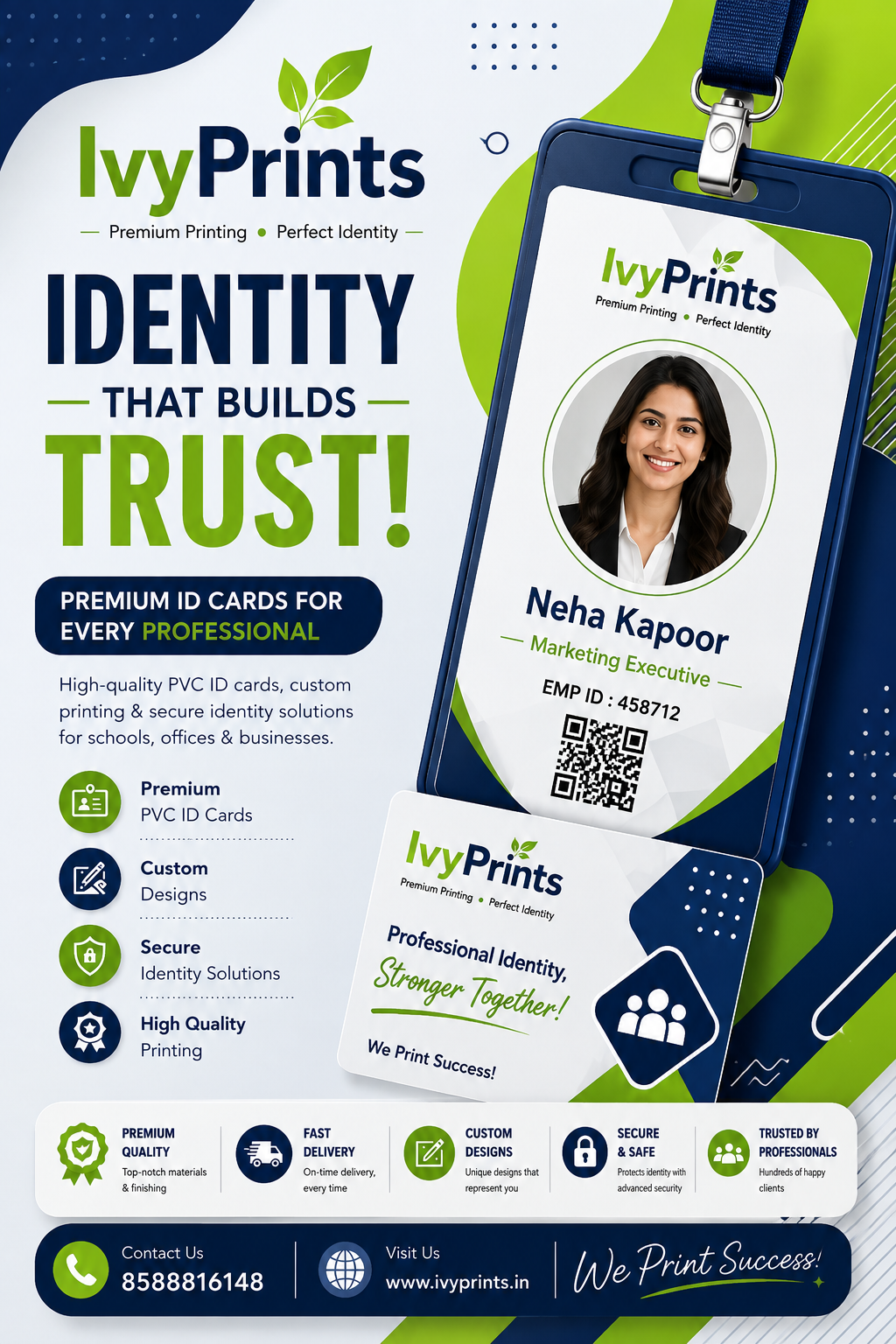
In today's rapidly evolving business landscape, organizations face increasing challenges related to workplace security, employee management, regulatory compliance, and operational efficiency. Whether it is a corporate office, educational institution, healthcare facility, manufacturing plant, or government organization, every workplace requires a reliable system to identify individuals and control access to resources.
As businesses continue adopting digital technologies and expanding their operations, traditional methods of identification are no longer sufficient. Modern organizations need secure identity management systems that combine physical credentials, digital authentication, access control, and workforce management capabilities. These systems help businesses maintain security while improving productivity and organizational efficiency.
Secure identity management is no longer a luxury—it has become an essential part of modern business operations. Organizations that invest in effective identification systems are better equipped to protect assets, improve accountability, streamline processes, and create safer environments for employees and visitors alike.
Understanding Identity Management
Identity management refers to the processes, policies, and technologies used to identify, authenticate, and manage individuals within an organization.
The primary objective of identity management is to ensure that the right people have access to the right resources at the right time.
A comprehensive identity management system may include:
-
Employee identification cards
-
Visitor management systems
-
Access control platforms
-
Attendance management solutions
-
Authentication technologies
-
Employee databases
-
Digital identity verification tools
Modern systems often integrate technologies such as RFID chips, QR codes, NFC functionality, biometric authentication, and cloud-based management platforms.
By combining these components, organizations can establish a secure and efficient framework for managing identities across their operations.
Why Identity Management Is More Important Than Ever
Businesses today operate in increasingly complex environments.
Organizations must manage:
-
Large workforces
-
Multiple facilities
-
Remote and hybrid employees
-
Sensitive business data
-
Regulatory requirements
-
Physical and digital security risks
Without proper identity management, businesses may struggle to control access, monitor activity, and maintain accountability.
Identity management helps organizations:
-
Improve workplace security
-
Verify identities accurately
-
Protect sensitive information
-
Enhance operational efficiency
-
Reduce administrative burdens
-
Support compliance efforts
-
Strengthen accountability
As workplace environments continue evolving, identity management has become a fundamental requirement for business success.
The Role of Identity Management in Workplace Security
Security remains one of the biggest concerns for organizations across all industries.
Businesses must protect employees, visitors, facilities, intellectual property, equipment, and confidential information.
Identity management systems create a structured approach to workplace security by ensuring that only authorized individuals can access organizational resources.
Many organizations combine modern identification technologies with advanced access control systems to strengthen protection.
Secure credentials help organizations:
-
Verify employee identities
-
Restrict unauthorized access
-
Monitor facility usage
-
Record security events
-
Improve incident response
By maintaining accurate identification records, businesses gain greater visibility into workplace activities and reduce security vulnerabilities.
As threats continue evolving, identity management remains a critical component of modern security strategies.
Why Identity Verification Matters
Identity verification serves as the foundation of every effective identity management system.
Organizations need a reliable method for confirming who individuals are before granting access to facilities, systems, or sensitive information.
Employee credentials typically display:
-
Full name
-
Photograph
-
Employee ID number
-
Department
-
Job title
-
Authorization status
This information allows managers, employees, and security personnel to identify individuals quickly and accurately.
Effective identity verification helps:
-
Reduce fraud
-
Prevent unauthorized access
-
Improve workplace accountability
-
Support compliance initiatives
Organizations that prioritize identity verification often experience stronger operational control and improved security outcomes.
Access Control as a Key Security Measure
Access control is one of the most valuable features of identity management systems.
Not every employee requires access to every part of an organization.
Businesses frequently restrict access to areas such as:
-
Executive offices
-
Data centers
-
Research laboratories
-
Manufacturing zones
-
Financial departments
-
Storage facilities
Modern identity management systems allow administrators to assign customized permissions based on specific job responsibilities.
Employees receive access only to the areas necessary for their work.
This approach helps organizations:
-
Reduce security risks
-
Protect sensitive information
-
Improve operational control
-
Maintain regulatory compliance
Flexible access management continues becoming increasingly important as organizations grow and diversify.
Improving Attendance Management Through Identity Systems
Attendance management is a critical aspect of workforce administration.
Traditional attendance methods often involve manual processes that can be time-consuming and prone to errors.
Modern identity management solutions automate attendance tracking through:
-
RFID technology
-
QR code authentication
-
Smart card systems
-
Contactless verification
-
Biometric integration
Automated attendance systems provide several advantages:
-
Improved accuracy
-
Reduced administrative work
-
Real-time reporting
-
Better workforce visibility
-
Enhanced productivity analysis
Managers gain access to accurate attendance data that supports workforce planning and operational decision-making.
As organizations seek greater efficiency, automated attendance management continues gaining popularity.
Enhancing Accountability Across the Organization
Accountability is essential for maintaining workplace discipline and operational effectiveness.
Identity management systems create transparency by recording and monitoring workplace activities.
Organizations can track:
-
Employee attendance
-
Facility access
-
Visitor activity
-
Resource utilization
-
Security events
Employees understand that workplace activities can be monitored and verified accurately.
This transparency encourages responsible behavior while supporting organizational policies and procedures.
Improved accountability often leads to:
-
Better workplace discipline
-
Increased productivity
-
Stronger compliance
-
Reduced operational risks
For many organizations, accountability is one of the most valuable benefits of identity management.
Supporting Compliance and Regulatory Requirements
Many industries operate under strict regulatory frameworks that require accurate record-keeping and access management.
Healthcare organizations, educational institutions, financial companies, and government agencies must often demonstrate compliance with security and privacy regulations.
Identity management systems help organizations:
-
Maintain access records
-
Verify employee identities
-
Track workplace activity
-
Control sensitive information
-
Support audit requirements
Accurate records simplify compliance efforts and reduce the risk of regulatory violations.
As regulations continue evolving, identity management systems play an increasingly important role in organizational governance.
The Connection Between Identity Management and Branding
Although security remains the primary objective, identity management also contributes to professional branding.
Employee identification cards often serve as visible representations of an organization's image and values.
Businesses frequently incorporate:
-
Company logos
-
Corporate colors
-
Professional layouts
-
Brand messaging
These design elements help reinforce corporate identity while creating positive impressions among clients, visitors, and business partners.
Professional identification solutions communicate credibility, organization, and attention to detail.
As competition increases, every branding opportunity becomes valuable.
Identity Management in Educational Institutions
Schools, colleges, and universities manage large populations of students, faculty members, and staff.
Identity management systems help educational institutions:
-
Improve campus security
-
Verify identities
-
Monitor attendance
-
Manage library services
-
Control facility access
-
Support transportation systems
Many institutions integrate identification credentials with broader campus management platforms.
Students and staff can use a single credential for multiple services.
This integration improves efficiency while enhancing the overall educational experience.
Identity Management in Healthcare Facilities
Healthcare organizations require highly reliable identification systems.
Patient safety, operational efficiency, and regulatory compliance depend on accurate identity verification.
Healthcare facilities use identity management systems to:
-
Authenticate staff members
-
Control departmental access
-
Monitor attendance
-
Manage visitors
-
Support compliance initiatives
Patients also benefit from clear staff identification.
Healthcare administrators increasingly view secure identity management as essential infrastructure for modern healthcare operations.
Identity Management in Manufacturing and Industrial Facilities
Manufacturing environments often contain restricted areas, specialized equipment, and valuable operational assets.
Identity management solutions help manufacturers:
-
Control facility access
-
Improve workforce management
-
Enhance workplace safety
-
Monitor employee activity
-
Protect operational resources
Customized permissions allow organizations to balance productivity with security.
These capabilities contribute to safer and more efficient manufacturing operations.
As industrial facilities become more automated, advanced identification systems continue growing in importance.
Emerging Technologies Shaping Identity Management
Technology continues transforming the identity management industry.
Modern systems increasingly support:
-
RFID authentication
-
NFC technology
-
Mobile credentials
-
Cloud-based administration
-
Artificial intelligence
-
Biometric verification
-
Contactless authentication
These innovations improve convenience while enhancing security and operational efficiency.
Organizations adopting advanced technologies gain greater flexibility and better control over identity management processes.
Industry experts expect continued innovation in this field over the coming years.
Sustainability and the Future of Identification Solutions
Environmental responsibility is becoming a major consideration for organizations worldwide.
Manufacturers are introducing sustainable identification solutions through:
-
Recyclable materials
-
Eco-friendly printing methods
-
Sustainable packaging
-
Waste reduction initiatives
Organizations increasingly seek products that align with environmental goals while maintaining performance and durability.
This shift toward sustainability is expected to influence future developments throughout the identification industry.
Conclusion
Secure identity management has become an essential requirement for modern organizations seeking to improve security, efficiency, accountability, and operational control. By combining identity verification, access management, attendance tracking, and authentication technologies, businesses can create safer and more productive environments for employees and visitors.
As technology continues advancing, identity management systems are becoming smarter, more connected, and increasingly capable of supporting complex organizational needs. Meanwhile, innovations in sustainability, digital authentication, and id card print solutions are helping organizations build secure and future-ready workplaces.
Organizations that invest in robust identity management strategies today will be better prepared to address tomorrow's security and operational challenges.

 Arabic
 French
 Spanish
 Portuguese
 Deutsch
 Turkish
 Dutch
Dutch
 Italiano
 Russian
 Romaian
 Portuguese (Brazil)
 Greek
Greek