


Repair Heating Ducts: Complete Guide to Fixing Heating Efficiency, Airflow Problems, and Energy Loss
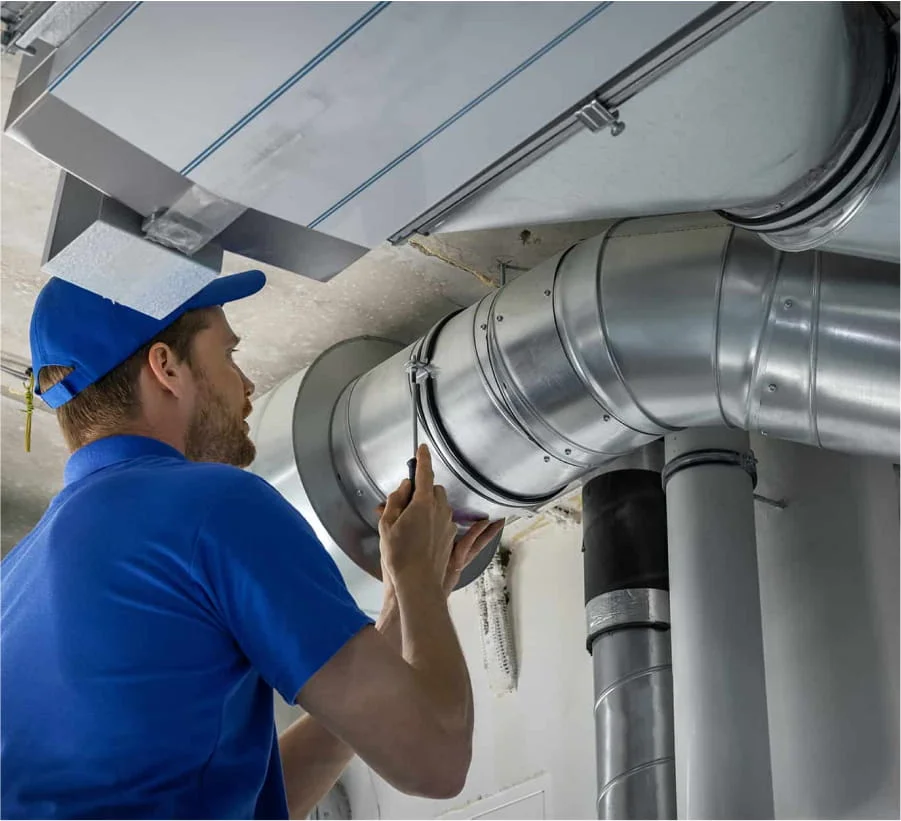
A properly working heating system depends heavily on its duct network. Even if your furnace or heat pump is in perfect condition, damaged ducts can prevent warm air from reaching your rooms efficiently. That is where repair heating ducts services become essential.
Leaky, disconnected, or poorly insulated heating ducts can cause uneven temperatures, higher energy bills, and system strain. This guide explains everything you need to know about heating duct repair, including causes, warning signs, repair methods, costs, and maintenance strategies.
What Does It Mean to Repair Heating Ducts
To repair heating ducts means fixing damaged, leaking, or inefficient air channels that distribute warm air throughout your home or building. These ducts are part of your HVAC system and ensure that heated air reaches every room evenly.
Heating duct repairs may include:
-
Sealing air leaks
-
Fixing disconnected duct joints
-
Repairing or replacing damaged duct sections
-
Improving insulation around ducts
-
Removing blockages affecting airflow
The goal is to restore efficient heat distribution and reduce energy loss.
Why Heating Ducts Get Damaged
Heating ducts operate under constant temperature changes, which can lead to wear and tear over time.
Age of the System
Most duct systems begin to degrade after 15–25 years of use.
Poor Installation
Incorrect sizing, loose joints, or weak sealing causes long-term inefficiency.
Thermal Expansion
Heating and cooling cycles cause ducts to expand and contract, loosening connections.
Moisture and Condensation
Humidity can lead to rust, mold, and insulation damage.
Pest Infestation
Rodents can chew through ducts, causing air leaks and blockages.
Lack of Maintenance
Without regular inspections, small issues grow into major duct failures.
Signs You Need to Repair Heating Ducts
Heating duct problems often go unnoticed because ducts are hidden behind walls and ceilings.
1. Uneven Heating in Rooms
Some rooms feel warm while others remain cold even when heating is on.
2. High Heating Bills
A sudden increase in energy usage often indicates heat loss through ducts.
3. Weak Airflow from Vents
Airflow feels weak even when the system is running at full capacity.
4. Strange Noises
Whistling, rattling, or banging sounds may come from loose or leaking ducts.
5. Cold Spots in the House
Certain areas remain cold despite thermostat settings.
6. Dust Around Vents
Excess dust suggests leaks pulling in unfiltered air.
7. Heating System Running Longer
If your furnace runs constantly, ducts may be leaking warm air.
Common Problems That Require Heating Duct Repair
Different issues require different solutions.
Air Leaks
Small holes or gaps can waste a large percentage of heated air.
Disconnected Joints
Sections of ducts may separate over time, stopping airflow.
Blockages
Dust, debris, or pest nests can restrict airflow.
Damaged Insulation
Poor insulation leads to heat loss before air reaches rooms.
Crushed or Bent Ducts
Physical damage restricts airflow and reduces efficiency.
Mold or Moisture Damage
Moisture inside ducts can lead to mold growth and air quality issues.
Types of Repairs to Heating Ducts
Professional HVAC technicians use several repair methods.
1. Air Sealing
Leaks are sealed using mastic sealant or HVAC-approved foil tape.
2. Duct Reconnection
Loose or separated ducts are reattached and secured.
3. Section Replacement
Severely damaged parts of ducts are replaced.
4. Insulation Repair
Damaged or missing insulation is replaced to reduce heat loss.
5. Airflow Balancing
Dampers are adjusted to ensure even heat distribution.
6. Cleaning and Debris Removal
Dust and blockages are removed to restore airflow efficiency.
Benefits When You Repair Heating Ducts
Fixing heating ducts provides immediate improvements in comfort and efficiency.
Improved Energy Efficiency
Properly sealed ducts can reduce heat loss by up to 30%.
Lower Heating Bills
Less wasted heat means reduced energy consumption.
Better Indoor Comfort
Ensures consistent temperature in all rooms.
Reduced HVAC Strain
System does not need to overwork to maintain temperature.
Improved Air Quality
Prevents dust and contaminants from entering airflow.
DIY vs Professional Heating Duct Repairs
DIY Repairs
Homeowners can handle small issues such as:
-
Loose vent covers
-
Minor visible leaks
-
Easy-access duct sealing
However, DIY fixes are usually temporary and limited in effectiveness.
Professional Repairs
Experts provide:
-
Full duct inspection
-
Leak detection using advanced tools
-
Proper sealing materials
-
Long-term airflow optimization
Professional repair heating ducts services ensure hidden problems are also addressed.
Heating Duct Repair Process
Understanding the process helps you know what to expect.
Step 1: Inspection
Technicians inspect ducts using pressure testing or thermal imaging.
Step 2: Leak Detection
Air leaks are identified using specialized equipment.
Step 3: Cleaning
Dust and debris are removed to prepare ducts for repair.
Step 4: Repair Work
Leaks are sealed, joints are fixed, and damaged sections are repaired.
Step 5: System Testing
Airflow and heating efficiency are tested after repairs.
Step 6: Final Adjustment
Air balancing ensures even heat distribution across all rooms.
Cost to Repair Heating Ducts
The cost depends on system size and damage level.
Average Cost Range
-
Minor repairs: $150 – $500
-
Moderate repairs: $500 – $1,200
-
Major repairs: $1,200 – $2,500+
Factors Affecting Cost
-
Size of HVAC system
-
Accessibility of ducts
-
Severity of damage
-
Materials required
-
Labor costs
Repairing ducts is far more cost-effective than full replacement in most cases.
Heating Duct Repair vs Replacement
Knowing when to repair or replace is important.
Choose Repairs When:
-
Damage is localized
-
System is under 15–20 years old
-
Leaks are small or moderate
Choose Replacement When:
-
Ducts are severely damaged
-
System is over 20–25 years old
-
Mold contamination is present
-
Repairs are frequent and costly
Repairs are ideal for restoring performance, while replacement is a long-term solution
Energy Efficiency Impact of Heating Duct Repairs
Leaky ducts can significantly reduce heating efficiency.
After repair heating ducts, you may experience:
-
15–30% reduction in heat loss
-
Faster room heating
-
Lower energy consumption
-
Reduced furnace workload
-
Improved system performance
Efficient ductwork ensures warm air reaches its destination without waste.
Common Mistakes in Heating Duct Repairs
Avoiding mistakes ensures long-lasting performance.
Using Incorrect Tape
Standard duct tape is not suitable for HVAC systems.
Ignoring Hidden Leaks
Only fixing visible leaks leaves deeper issues unresolved.
Skipping Insulation Repairs
Poor insulation leads to continued heat loss.
No Air Balancing
Uneven airflow reduces comfort even after repairs.
Temporary Fixes Only
Short-term solutions lead to recurring problems.
Maintenance Tips After Heating Duct Repairs
Proper maintenance extends system life.
Schedule Regular HVAC Inspections
At least once per year for optimal performance.
Replace Air Filters Regularly
Dirty filters reduce airflow efficiency.
Keep Vents Clean
Ensures smooth heat distribution.
Monitor Energy Bills
Unexpected increases may indicate new issues.
Inspect Ducts Periodically
Early detection prevents major repairs.
How Long Do Heating Duct Repairs Last
With professional service, repairs can last many years:
-
Proper sealing: 10–15 years
-
Joint repairs: 8–12 years
-
Insulation repairs: 10+ years
Longevity depends on system maintenance and environmental conditions.
Residential vs Commercial Heating Duct Repairs
Residential Systems
Focus on comfort, energy savings, and quiet operation.
Commercial Systems
Require larger airflow capacity, zoning systems, and advanced balancing.
Commercial repairs are more complex but follow similar principles.
Choosing the Right HVAC Repair Professional
Selecting the right contractor ensures quality results.
Look for:
-
Licensed HVAC technicians
-
Experience in duct systems
-
Transparent pricing
-
Strong customer reviews
-
Warranty on repair work
A skilled professional ensures accurate diagnosis and long-lasting repair solutions.
Future of Heating Duct Repair Technology
Modern HVAC systems are improving repair methods.
Aeroseal Technology
Seals duct leaks from inside without major construction work.
Thermal Imaging Diagnostics
Detects hidden leaks and airflow issues.
Smart HVAC Monitoring
Tracks system efficiency in real time.
Eco-Friendly Sealants
Long-lasting and environmentally safe repair materials.
These innovations make repair heating ducts services more precise and efficient.
FAQs About Repair Heating Ducts
1. How do I know if my heating ducts need repair?
If you notice uneven heating, high bills, or weak airflow, repairs are likely needed.
2. Are heating duct repairs expensive?
Most repairs are affordable, ranging from $150 to $1,200 depending on severity.
3. How long does it take to repair heating ducts?
Most residential repairs take a few hours to one day.
4. Can leaky ducts increase heating costs?
Yes, leaks can waste up to 30% of heated air.
5. Is duct sealing a permanent fix?
Professional sealing can last 10–15 years or more.
6. Do heating ducts need regular maintenance?
Yes, annual inspections help maintain efficiency.
7. Can I repair heating ducts myself?
Minor visible issues can be DIY, but hidden leaks require professionals.
Conclusion
Repair heating ducts is one of the most effective ways to improve home comfort, reduce heating costs, and enhance HVAC performance. Even small duct issues can lead to significant energy loss and uneven temperatures.
Timely repairs restore airflow efficiency, reduce strain on heating systems, and ensure consistent warmth throughout your space. Whether for residential or commercial use, maintaining your heating ducts is essential for long-term comfort and energy savings.

 English
 Arabic
 French
 Spanish
 Portuguese
 Deutsch
 Turkish
 Italiano
 Russian
 Romaian
 Portuguese (Brazil)
 Greek
Greek