


Medical PPE Supplies: Complete Guide to Types, Uses, Standards, and Procurement for Healthcare Safety
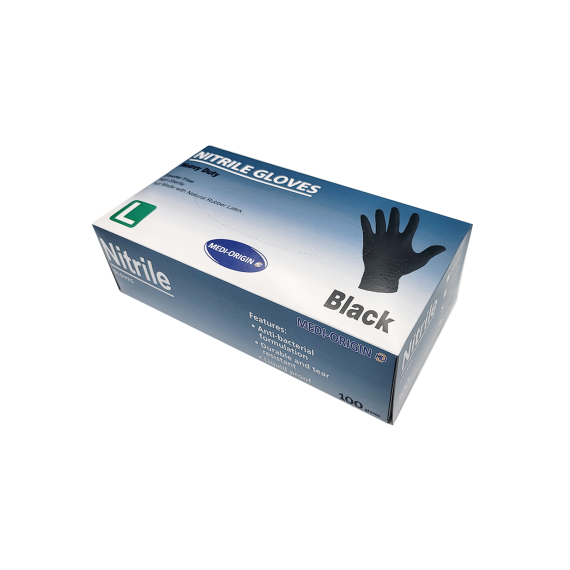
The demand for Medical PPE supplies has grown rapidly across global healthcare systems, clinics, hospitals, laboratories, and emergency care services. Personal protective equipment is no longer optional in medical environments; it is a core requirement for infection control, patient safety, and occupational health compliance.
From surgical masks to isolation gowns and gloves, medical PPE forms the first line of defense against infectious diseases, biological hazards, and cross-contamination. The healthcare sector depends on reliable PPE supply chains to ensure continuous protection for medical staff and patients.
This guide explains everything about medical PPE supplies, including types, applications, regulatory standards, procurement strategies, and future trends shaping the healthcare safety industry
What Are Medical PPE Supplies?
Medical PPE supplies refer to specialized protective equipment used in healthcare environments to minimize exposure to infectious agents and hazardous materials.
These supplies are designed to protect:
-
Doctors and nurses
-
Patients
-
Laboratory technicians
-
Emergency responders
-
Healthcare support staff
Medical PPE acts as a barrier between healthcare workers and potential risks such as viruses, bacteria, bloodborne pathogens, and chemical exposure.
Importance of Medical PPE Supplies in Healthcare
Medical PPE is essential for maintaining safe healthcare operations.
1. Infection Control
PPE prevents the spread of infectious diseases within hospitals and clinics.
2. Worker Safety
Healthcare professionals are regularly exposed to biological hazards. PPE reduces risk significantly.
3. Patient Protection
Proper PPE usage prevents cross-contamination between patients.
4. Regulatory Compliance
Healthcare facilities must comply with safety standards set by organizations like OSHA, WHO, and local health authorities.
5. Emergency Preparedness
During outbreaks or pandemics, PPE ensures rapid response capability.
Types of Medical PPE Supplies
Medical PPE includes a wide range of protective equipment designed for different healthcare scenarios.
1. Face Masks and Respirators
Face protection is one of the most important PPE categories.
-
Surgical masks
-
N95 respirators
-
P2 and P3 respirators
-
Medical-grade disposable masks
These protect against airborne particles and respiratory droplets
2. Gloves
Medical gloves prevent direct contact with contaminants.
-
Nitrile gloves
-
Latex gloves
-
Vinyl gloves
-
Sterile surgical gloves
They are widely used in examinations, surgeries, and laboratory procedures.
3. Protective Gowns
Gowns protect the body from fluid exposure and contamination.
-
Isolation gowns
-
Surgical gowns
-
Disposable non-woven gowns
-
Reinforced surgical gowns
They are essential in operating rooms and infectious disease wards.
4. Eye and Face Protection
Protects healthcare workers from splashes and airborne particles.
-
Safety goggles
-
Face shields
-
Anti-fog protective glasses
5. Head Covers and Shoe Covers
These items help maintain sterile environments.
-
Disposable caps
-
Bouffant caps
-
Shoe covers
-
Boot covers
6. Respiratory Protection Systems
Used in high-risk environments such as ICU or infectious disease units.
-
Powered Air-Purifying Respirators (PAPR)
-
Full-face respirators
-
Half-mask respirators
Medical PPE Standards and Regulations
Medical PPE must meet strict regulatory requirements to ensure safety and effectiveness.
1. WHO Guidelines
The World Health Organization provides global PPE usage standards for infection control.
2. OSHA Regulations
In the United States, OSHA regulates workplace safety, including PPE use in healthcare.
3. EN Standards (Europe)
European standards define PPE performance levels for medical use.
4. ASTM Standards
Commonly used for surgical masks and medical gloves.
5. ISO Certifications
Ensure global quality and manufacturing consistency.
How Medical PPE Supplies Are Manufactured
Medical PPE production involves highly controlled processes to ensure sterility and safety.
Step 1: Raw Material Selection
Materials like polypropylene, nitrile, latex, and polyethylene are selected.
Step 2: Fabrication or Molding
Depending on the product:
-
Masks are made using melt-blown fabric
-
Gloves are dip-molded
-
Gowns are cut and sewn or heat-sealed
Step 3: Sterilization
Products are sterilized using:
-
Ethylene oxide
-
Gamma radiation
-
Steam sterilization
Step 4: Quality Testing
Each batch is tested for:
-
Filtration efficiency
-
Tear resistance
-
Fluid resistance
-
Fit and comfort
Step 5: Packaging
Products are sealed in sterile packaging to maintain hygiene.
Applications of Medical PPE Supplies
Medical PPE is used in multiple healthcare environments.
1. Hospitals
Used in emergency rooms, ICUs, and surgical theaters.
2. Clinics and General Practices
Protects staff during patient examinations.
3. Laboratories
Prevents exposure to biological samples and chemicals.
4. Dental Clinics
Protects against saliva and airborne particles.
5. Ambulance Services
Ensures safety during emergency response.
6. Pharmaceutical Industry
Used during drug manufacturing and handling
Benefits of Medical PPE Supplies
Medical PPE provides multiple critical benefits.
1. Reduces Infection Risk
Acts as a barrier against pathogens.
2. Improves Healthcare Safety
Ensures safe working environments for staff.
3. Enhances Patient Trust
Patients feel safer in properly protected environments.
4. Regulatory Compliance
Helps healthcare facilities meet legal requirements.
5. Cost Savings
Prevents costly outbreaks and liability issues.
Medical PPE Supply Chain Challenges
The supply chain for medical PPE is complex and often faces disruptions.
1. Global Demand Surges
Pandemics and outbreaks can cause sudden shortages.
2. Raw Material Dependency
Many materials are sourced from limited suppliers.
3. Transportation Delays
Logistics disruptions affect timely delivery.
4. Counterfeit Products
Fake PPE products can compromise safety.
5. Price Volatility
Market demand fluctuations impact pricing.
How to Choose Reliable Medical PPE Supplies
Healthcare providers must carefully evaluate PPE suppliers.
1. Certification Compliance
Always verify FDA, CE, or ISO certification.
2. Sterilization Standards
Ensure products are properly sterilized.
3. Supplier Reputation
Work with established medical suppliers.
4. Product Testing Reports
Request lab-tested performance data.
5. Bulk Supply Capacity
Ensure supplier can handle large hospital demands.
6. Delivery Reliability
Timely delivery is critical in healthcare environments.
Medical PPE Usage Best Practices
Proper use of PPE is as important as supply quality.
1. Correct Donning and Doffing
Proper wearing and removal prevents contamination.
2. Regular Replacement
Disposable PPE should never be reused.
3. Training Programs
Healthcare workers must be trained in PPE protocols.
4. Proper Disposal
Used PPE must be disposed of as medical waste.
5. Fit Testing
Respirators must be properly fitted for effectiveness
Future Trends in Medical PPE Supplies
The medical PPE industry is evolving rapidly.
1. Smart PPE Technology
Wearables with sensors to monitor exposure and health.
2. Antimicrobial Materials
New fabrics with built-in infection resistance.
3. Sustainable PPE
Biodegradable and recyclable PPE materials are emerging.
4. Automation in Manufacturing
AI-driven production lines improve efficiency.
5. On-Demand PPE Production
3D printing and local manufacturing reduce shortages.
Environmental Impact of Medical PPE
While essential, PPE contributes to medical waste challenges.
Solutions Include:
-
Recycling programs for PPE materials
-
Biodegradable PPE development
-
Waste-to-energy processing
-
Reduced packaging waste
Healthcare systems are increasingly adopting sustainable disposal practices.
Conclusion
Medical PPE supplies are a critical foundation of modern healthcare systems. They protect healthcare workers, patients, and medical environments from infectious diseases and hazardous exposure.
With increasing global health risks and stricter regulatory standards, demand for high-quality PPE continues to rise. Healthcare providers must prioritize certified, reliable, and well-tested PPE to ensure safety and compliance.
As innovation continues, medical PPE is becoming more advanced, sustainable, and efficient, strengthening global healthcare resilience.
FAQs
1. What are medical PPE supplies used for?
They are used to protect healthcare workers and patients from infections and contamination.
2. What are the most common medical PPE items?
Masks, gloves, gowns, face shields, and respirators are the most common.
3. Are medical PPE supplies regulated?
Yes, they must meet standards like FDA, WHO, ISO, and CE certifications.
4. Can medical PPE be reused?
Most medical PPE is single-use, except for certain reusable respirators and face shields.
5. Why is PPE important in hospitals?
It prevents infection spread and ensures safety for both staff and patients.
6. What is the future of medical PPE?
Smart PPE, sustainable materials, and antimicrobial technologies are shaping the future.

 English
 Arabic
 French
 Spanish
 Portuguese
 Deutsch
 Turkish
 Dutch
Dutch
 Italiano
 Russian
 Romaian
 Greek
Greek