


7 Costly Mistakes to Avoid When Selling Your Watch
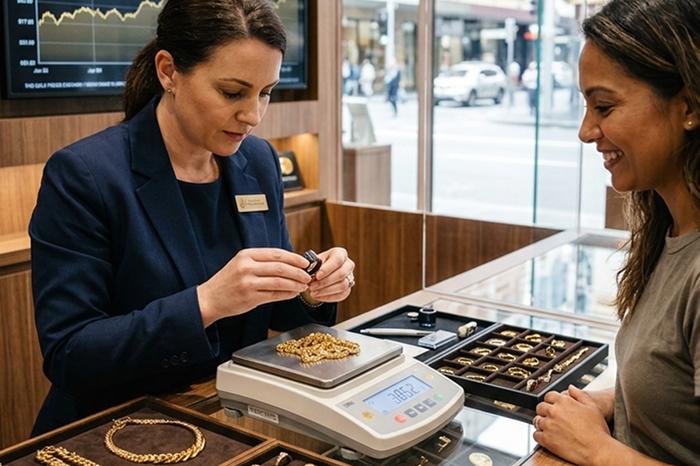
Selling a watch can be a great way to unlock cash from an asset you no longer wear. However, many people make simple mistakes during the process and end up receiving far less than their watch is worth. The difference between a watch's market value and the amount you actually receive can be significant. One wrong decision can cost hundreds or even thousands of dollars.
If you are thinking about selling watch collections, luxury watches, or vintage timepieces in 2026, it is important to understand the common pitfalls that can reduce your final payout. This guide explains seven costly mistakes to avoid so you can maximize your profit, protect yourself from scams, and enjoy a smooth selling experience.
1. Ignoring Current Market Trends
The watch market changes constantly. A model that was highly desirable a year ago may have dropped in value today, while another model may have increased in demand.
Relying on Outdated Price Guides
Many sellers make the mistake of using old price guides or outdated information when pricing their watch. Market conditions have changed significantly over the past few years due to inflation, changing consumer preferences, and fluctuations in luxury goods demand.
For example, some luxury sports watches experienced major price swings during the last 18 months. If you rely on 2025 pricing information when selling in 2026, you may either overprice or underprice your watch.
Always research the most recent market data before setting your expectations.
Failing to Track Real-Time Sales
One of the biggest mistakes is focusing on asking prices instead of actual sale prices.
Anyone can list a watch at a high price. What matters is the amount buyers are actually paying. In many cases, the difference between asking prices and completed sales can be 10% to 15% or even more.
Check completed listings, auction results, and recent sales records to understand the true market value of your watch.
2. Neglecting Proper Documentation and Provenance
Documentation can significantly increase the value of a watch. Buyers want proof that a watch is authentic and has a clear ownership history.
Losing the "Full Set" Advantage
The original box, warranty card, manuals, receipts, and service records all add value.
Many collectors specifically search for watches sold as a complete package, often called a "full set." Missing documents can lower buyer confidence and reduce the final selling price.
For example, a vintage Omega watch with original papers often sells for considerably more than the same model without documentation.
The more information you can provide, the stronger your position as a seller.
Failing to Document Condition
Some sellers try to hide scratches, dents, or signs of wear. This often creates problems later.
Honest disclosure builds trust and reduces the chance of returns, disputes, or negative feedback.
Create a detailed condition report that includes:
- Case condition
- Crystal condition
- Dial condition
- Bracelet or strap condition
- Service history
- Accuracy and performance
- Any modifications or repairs
Transparency helps serious buyers make confident decisions.
3. Poor Presentation and Photography
Presentation has a major impact on how buyers perceive your watch.
Using Low-Quality or Stock Images
Stock photos are one of the biggest warning signs for buyers. They want to see the actual watch being sold.
Poor lighting, blurry images, or missing angles can make a valuable watch appear less desirable.
For the best results:
- Use natural lighting
- Photograph the watch from multiple angles
- Show the dial clearly
- Include the crown, lugs, clasp, and case back
- Capture any imperfections honestly
High-quality photos can attract more buyers and justify a higher asking price.
Neglecting Basic Cleaning
A dirty watch may create the impression that it has been poorly maintained.
Simple fingerprints, dust, and smudges become very noticeable in high-resolution photos.
Before taking pictures:
- Use a microfiber cloth
- Remove dust with a blower tool
- Clean gently without using harsh chemicals
- Avoid abrasive materials
A clean watch always makes a stronger first impression.
4. Choosing the Wrong Sales Channel
Where you sell your watch can directly impact how much money you receive.
The Trap of Quick-Cash Buyouts
Many dealers offer instant cash purchases. While these services are convenient, they usually provide lower offers because the dealer needs room for profit.
Dealer margins can often range between 20% and 40%.
For example, if a watch is worth $10,000 in a private sale, a dealer may offer considerably less.
Quick-cash sales can make sense when:
- You need immediate funds
- You want a fast transaction
- You want to avoid managing inquiries
However, if maximizing profit is your goal, exploring multiple selling options is usually worthwhile.
Risks of Unsecured Peer-to-Peer Platforms
Private sales can generate higher returns, but they also carry greater risks.
Common scams include:
- Fake payment confirmations
- Counterfeit bank transfers
- Chargeback fraud
- Identity theft attempts
Always use secure payment methods and consider escrow services for high-value transactions.
Be cautious if a buyer:
- Refuses verification
- Rushes the transaction
- Offers more than the asking price
- Avoids phone or video communication
If something feels suspicious, walk away.
5. Making Unnecessary Modifications
Many owners mistakenly believe modifications increase value. In reality, they often reduce it.
The Polishing Pitfall
Professional polishing may seem harmless, but excessive polishing can permanently alter a watch's original shape.
Collectors often prefer unpolished watches because they retain their original factory lines and character.
Over-polishing can:
- Round sharp edges
- Remove metal
- Reduce collector appeal
- Lower resale value
This is especially important for vintage luxury watches.
Replacing Original Parts
Replacing dials, hands, bezels, or other components may make a watch look newer, but collectors usually value originality above appearance.
Watches with mixed parts are often called "Frankenwatches."
These watches typically sell for much less than fully original examples.
If replacement parts are necessary, keep all original components and include them in the sale whenever possible.
6. Mispricing the Asset
Pricing mistakes are among the most expensive errors sellers make.
Emotional Overpricing
Many owners attach sentimental value to their watches.
Perhaps it was a gift, a family heirloom, or a watch worn during important life events.
Unfortunately, buyers do not pay for emotional attachment.
Overpricing often leads to:
- Fewer inquiries
- Longer selling times
- Reduced buyer interest
Listings that remain active for more than 30 days often become "stale," causing buyers to wonder why the watch has not sold.
Price your watch based on market data, not personal feelings.
Underpricing Out of Fear
The opposite mistake is selling too cheaply because you want a quick deal.
This often results in leaving significant money on the table.
Before listing your watch:
- Research comparable sales
- Establish a realistic asking price
- Set a minimum acceptable price
- Decide your walk-away number
A tiered pricing strategy can help create flexibility while protecting your profit.
7. Poor Communication and Negotiation
Strong communication can make the difference between a successful sale and a missed opportunity.
Being Unresponsive to Serious Buyers
The luxury watch market moves quickly.
Serious buyers often contact multiple sellers at the same time. If you take too long to respond, they may purchase elsewhere.
Respond professionally and promptly.
Answer questions clearly and provide additional photos when requested.
Fast communication creates trust and demonstrates professionalism.
Accepting the First Low-Ball Offer
Low-ball offers are common in the watch market.
Some buyers intentionally submit very low offers hoping the seller will negotiate against themselves.
Instead of accepting immediately:
- Stay calm
- Use recent market data
- Explain your pricing
- Present comparable sales
Sometimes simply saying "No, thank you" can strengthen your negotiating position.
Confidence often leads to better offers and improved final sale prices.
Conclusion
Selling a watch successfully requires preparation, patience, and market knowledge. Avoiding these seven costly mistakes can help you achieve the best possible outcome.
Quick Checklist Before Selling Your Watch
✓ Research current market trends
✓ Check completed sales instead of asking prices
✓ Gather original box and papers
✓ Create a detailed condition report
✓ Use high-quality photographs
✓ Choose the right selling platform
✓ Avoid unnecessary modifications
✓ Price your watch realistically
✓ Communicate professionally
✓ Negotiate confidently
The most successful sellers understand that patience and presentation often equal profit. Taking the time to prepare your watch properly can result in a significantly higher selling price.
If you are planning on selling watch collections or a single luxury timepiece, start by researching its current market value and collecting all available documentation. A well-presented watch with accurate pricing and honest communication will always attract more serious buyers and better offers.
Frequently Asked Questions
How do I know how much my watch is worth?
Research recent completed sales, auction results, and market data for the same model. Comparing actual selling prices provides the most accurate valuation.
Should I polish my watch before selling it?
In most cases, no. Collectors often prefer original, unpolished watches because they retain their factory finish and historical value.
Does having the original box and papers increase value?
Yes. A complete set can significantly improve buyer confidence and often results in higher offers.
What is the safest way to sell a luxury watch?
Use reputable dealers, trusted marketplaces, or escrow services for high-value transactions. Always verify payments before releasing the watch.
Is it better to sell privately or to a dealer?
Private sales often generate higher prices, while dealers provide faster and more convenient transactions. The best choice depends on your priorities.

 English
 Arabic
 French
 Spanish
 Portuguese
 Deutsch
 Dutch
Dutch
 Italiano
 Russian
 Romaian
 Portuguese (Brazil)
 Greek
Greek