


Replace Heating Ducts: Complete Guide to Costs, Signs, Process, and Benefits
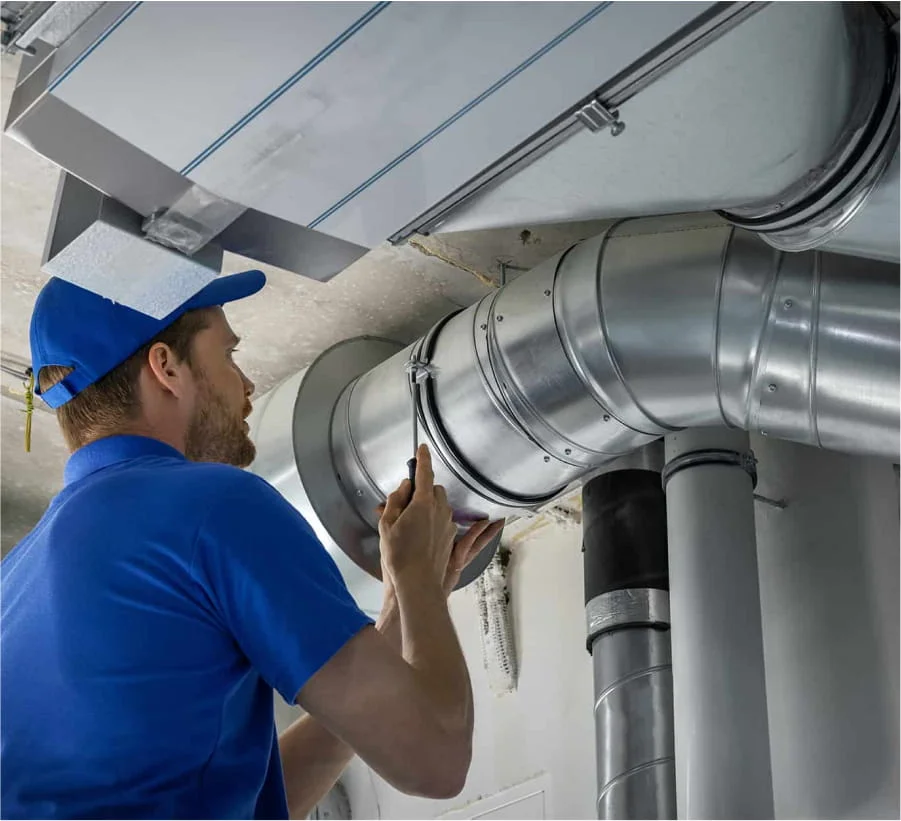
Heating ducts play a major role in keeping your home comfortable during cold months. They move warm air from your heating system into every room. When ducts become old, damaged, or inefficient, your entire HVAC system starts to struggle. That is when you may need to replace heating ducts to restore performance, improve air quality, and reduce energy bills.
This guide explains everything in simple terms. You will learn when replacement is needed, how the process works, what it costs, and how to avoid common mistakes.
What Does It Mean to Replace Heating Ducts?
To replace heating ducts means removing the existing ductwork in your home and installing a new network of air channels. These ducts are usually made from sheet metal, flexible plastic, or fiberglass materials.
Your duct system connects your furnace or heat pump to different rooms. If the ducts are leaking or damaged, heated air escapes before it reaches its destination. This reduces comfort and wastes energy.
Replacement is more than a repair. It involves redesigning airflow pathways so your heating system works efficiently again.
Signs You Need to Replace Heating Ducts
Many homeowners ignore duct problems because they are hidden behind walls or ceilings. However, your home gives clear signals when ducts are failing.
1. Uneven Heating in Rooms
If some rooms are warm while others stay cold, your ducts may be leaking or blocked. This is one of the most common signs.
2. Rising Energy Bills
Damaged ducts force your heating system to work harder. This leads to higher utility bills without improving comfort.
3. Weak Airflow
If air barely comes out of vents, there may be crushed, disconnected, or clogged ducts.
4. Dust and Poor Air Quality
Old ducts often collect dust, mold, and debris. These particles spread throughout your home when heating is turned on.
5. Strange Noises
Rattling or whistling sounds inside walls can indicate loose or damaged ductwork.
6. Old HVAC System Installation
If your duct system is over 15–25 years old, it may no longer meet modern efficiency standards.
When these issues appear together, it is often more cost-effective to replace heating ducts rather than repair them repeatedly
Why Heating Ducts Fail Over Time
Duct systems do not last forever. Several factors contribute to their deterioration.
Age and Wear
Over time, joints loosen and seals weaken. Air leakage becomes unavoidable.
Poor Installation
Incorrect sizing or weak connections during installation lead to long-term inefficiency.
Moisture Damage
Humidity inside crawl spaces or attics can cause rust or mold growth.
Pest Infestation
Rodents can chew through duct insulation or flexible ducts.
Lack of Maintenance
Dust buildup and ignored minor leaks turn into major system failures.
Understanding these causes helps prevent future issues after you replace heating ducts.
Benefits of Replacing Heating Ducts
A full duct replacement is an investment, but it brings several long-term benefits.
Better Energy Efficiency
New duct systems reduce air leaks and improve airflow balance. This can significantly lower heating costs.
Improved Indoor Air Quality
Fresh ducts reduce dust, allergens, and mold circulation.
Consistent Room Temperature
Every room receives balanced airflow, eliminating hot and cold spots.
Reduced HVAC Strain
When airflow is efficient, your furnace or heat pump lasts longer.
Quieter Operation
New ducts reduce vibrations and airflow noise.
Higher Property Value
Updated HVAC systems are attractive to buyers and improve home value.
Types of Heating Ducts Used in Replacement
When you replace heating ducts, professionals may use different materials depending on your home design and budget.
Sheet Metal Ducts
These are durable and long-lasting. They resist mold and airflow loss but are more expensive to install.
Flexible Ducts
Made from plastic and wire coils, these are easier to install in tight spaces but may not last as long.
Fiberglass Lined Ducts
These provide insulation and reduce noise but require careful maintenance to prevent mold buildup.
Fiberboard Ducts
Made from compressed fiberglass, these are affordable but less durable in humid environments.
The choice depends on your home structure, budget, and efficiency goals.
Step-by-Step Process to Replace Heating Ducts
Understanding the process helps you know what to expect during installation.
Step 1: Inspection and Airflow Testing
Technicians inspect your existing ducts and test airflow efficiency.
Step 2: System Design
A new layout is created to optimize airflow distribution across rooms.
Step 3: Removal of Old Ducts
Old ductwork is carefully removed, especially in crawl spaces or attics.
Step 4: Installation of New Ducts
New ducts are installed and connected to the HVAC system.
Step 5: Sealing and Insulation
All joints are sealed to prevent air leakage. Insulation is added where needed.
Step 6: Testing and Balancing
Airflow is tested to ensure even heating in all rooms.
This process ensures your decision to replace heating ducts results in maximum efficiency
Cost of Replacing Heating Ducts
The cost depends on home size, duct material, and installation complexity.
Average Cost Range
-
Small homes: $2,000 to $4,000
-
Medium homes: $4,000 to $7,000
-
Large homes: $7,000 to $12,000+
Factors That Affect Cost
-
Size of the home
-
Number of vents
-
Type of duct material
-
Accessibility of installation areas
-
Labor rates in your area
Although replacement may seem expensive, it often reduces long-term energy costs.
Repair vs Replace Heating Ducts
Homeowners often struggle to decide between repair and full replacement.
Choose Repair If:
-
Damage is limited to one section
-
Ducts are less than 10 years old
-
Air leaks are minor
Choose Replacement If:
-
Ducts are over 15–20 years old
-
Multiple leaks are present
-
Energy bills keep increasing
-
Air quality is poor
If problems are widespread, it is smarter to replace heating ducts instead of spending money on repeated repairs.
Common Mistakes Homeowners Make
Avoiding mistakes can save time and money during duct replacement.
Ignoring Duct Design
Poor airflow design reduces system performance even with new ducts.
Choosing Cheap Materials
Low-quality ducts may fail within a few years.
Skipping Insulation
Uninsulated ducts lose heat, especially in attics and basements.
Not Sealing Properly
Even small leaks reduce efficiency significantly.
Hiring Unqualified Technicians
Poor installation leads to long-term performance issues.
How Long Do New Heating Ducts Last?
A properly installed duct system can last:
-
Sheet metal: 20–30 years
-
Flexible ducts: 10–15 years
-
Fiberglass ducts: 15–20 years
Regular maintenance can extend lifespan and performance.
Maintenance Tips After Replacing Heating Ducts
Once you replace heating ducts, follow these tips to maintain efficiency:
-
Clean vents regularly
-
Replace air filters every 1–3 months
-
Inspect ducts for visible damage annually
-
Keep crawl spaces dry
-
Schedule HVAC maintenance once a year
Simple maintenance helps protect your investment.
Environmental Benefits of New Duct Systems
Modern duct systems reduce energy waste, which lowers carbon emissions. Efficient airflow means your heating system uses less fuel or electricity.
This makes duct replacement not only a financial decision but also an environmentally responsible choice.
Conclusion
To replace heating ducts is one of the most effective ways to improve home comfort, reduce energy bills, and enhance indoor air quality. While the upfront cost can be significant, the long-term benefits outweigh the investment.
If your home has uneven heating, rising bills, or old ductwork, replacement is often the best solution. A properly designed and installed system will keep your home comfortable for decades.
FAQs
1. How do I know if I need to replace heating ducts?
You may need replacement if you notice uneven heating, high energy bills, or weak airflow from vents.
2. Can heating ducts be repaired instead of replaced?
Yes, minor leaks or damage can be repaired. However, widespread issues usually require full replacement.
3. How long does it take to replace heating ducts?
Most homes take 1 to 3 days depending on size and complexity.
4. Will new ducts lower my energy bills?
Yes. Properly sealed and insulated ducts can significantly reduce energy waste.
5. What is the most durable duct material?
Sheet metal ducts are considered the most durable and long-lasting option.
6. Do I need to replace ducts when replacing HVAC systems?
Not always, but it is recommended if ducts are old or incompatible with the new system.
7. How often should ducts be inspected?
Ducts should be inspected every 2 to 3 years for optimal performance

 English
 Arabic
 French
 Spanish
 Deutsch
 Turkish
 Dutch
Dutch
 Italiano
 Russian
 Romaian
 Portuguese (Brazil)
 Greek
Greek