


Disposable Balaclava: Complete Guide, Uses, Benefits, and Buying Tips
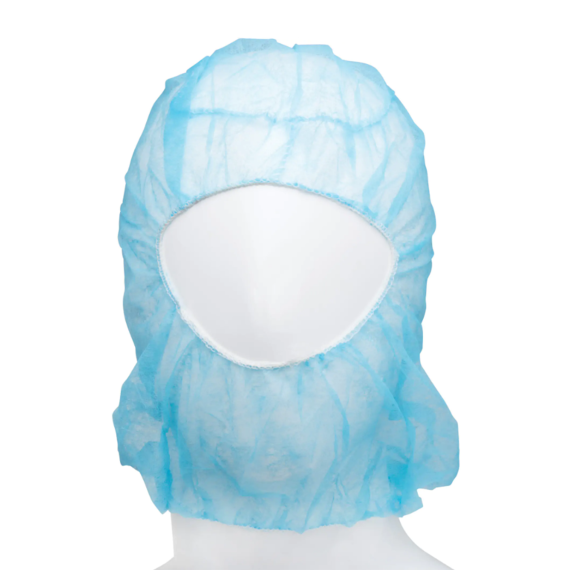
A Disposable balaclava is a lightweight protective head covering designed for single or short-term use. It is commonly used in workplaces where hygiene, contamination control, and safety are important. Industries such as food processing, healthcare, cleanrooms, manufacturing, and construction rely on disposable balaclavas to maintain strict cleanliness standards while ensuring comfort for workers.
This guide explains everything you need to know about disposable balaclavas, including their uses, materials, benefits, industries, safety standards, and how to choose the right one.
What is a Disposable Balaclava?
A Disposable balaclava is a full-head covering that protects the hair, scalp, neck, and sometimes parts of the face. Unlike reusable balaclavas, it is made for limited use and is discarded after a shift, task, or contamination risk exposure.
It is typically made from lightweight nonwoven materials such as polypropylene (PP) or spun-bond fabric. These materials are breathable, cost-effective, and suitable for environments where hygiene control is critical.
The main purpose is not insulation but protection against contamination, dust, and particles.
Why Disposable Balaclavas Are Important
In controlled environments, even a small amount of contamination can cause serious issues. Hair, skin particles, or external dust can affect product quality or safety.
A Disposable balaclava helps solve this problem by:
-
Covering hair completely to prevent shedding
-
Reducing contamination in sterile environments
-
Supporting hygiene compliance in regulated industries
-
Protecting products from human contact contamination
They are especially important where strict safety protocols are enforced.
Common Uses of Disposable Balaclava
Disposable balaclavas are used in many industries where hygiene and protection matter.
1. Food Processing Industry
Workers wear disposable balaclavas to ensure no hair or particles fall into food products during production, packaging, or handling.
2. Healthcare and Medical Environments
Hospitals, clinics, and laboratories use them to maintain sterile environments and reduce contamination risks.
3. Pharmaceutical Manufacturing
In drug production facilities, contamination control is critical. Disposable balaclavas help maintain GMP (Good Manufacturing Practice) standards.
4. Cleanrooms and Electronics Industry
Used in semiconductor manufacturing, electronics assembly, and precision engineering where dust particles can damage products.
5. Construction and Industrial Work
They protect workers from dust, debris, and particles in environments like painting, sanding, and insulation work.
6. Cosmetic and Beauty Industry
Used in salons, spas, and cosmetic production facilities to maintain hygiene standards.
Materials Used in Disposable Balaclavas
The effectiveness of a Disposable balaclava depends on the material used in its production.
Polypropylene (PP)
The most common material. It is lightweight, breathable, and cost-effective.
Spun-bond Nonwoven Fabric
Provides better durability while still being disposable. Offers improved filtration and comfort.
SMS Fabric (Spunbond-Meltblown-Spunbond)
A higher-grade option with better barrier protection. Often used in medical and pharmaceutical environments.
Each material is chosen based on required protection level, breathability, and cost.
Key Features of Disposable Balaclava
A good-quality disposable balaclava offers several important features:
-
Full head and neck coverage
-
Lightweight and breathable material
-
Elastic opening for secure fit
-
Anti-static properties (in some industrial versions)
-
Comfortable for long working hours
-
Hygienic single-use design
-
Compatibility with masks, helmets, or goggles
These features ensure both protection and comfort in demanding work environments.
Benefits of Using Disposable Balaclava
The popularity of Disposable balaclava products comes from their practical advantages.
Hygiene Protection
Prevents contamination from hair, sweat, and skin particles.
Cost-Effective Solution
No need for washing or maintenance like reusable gear.
Time-Saving
Workers can simply dispose of the balaclava after use.
Compliance with Safety Standards
Helps companies meet hygiene regulations in regulated industries.
Lightweight Comfort
Breathable materials reduce heat buildup during long shifts.
Reduced Cross-Contamination Risk
Ideal for multi-user environments where equipment must remain sterile.
Disposable Balaclava vs Reusable Balaclava
Both types serve different purposes.
Disposable balaclavas are designed for hygiene-critical environments where single-use prevents contamination. Reusable balaclavas are used in colder environments or outdoor activities where durability matters more than sterility.
Disposable Balaclava Advantages
-
Better hygiene control
-
No washing required
-
Ideal for sterile environments
-
Low maintenance
Reusable Balaclava Advantages
-
Longer lifespan
-
Better insulation
-
More suitable for outdoor sports or cold weather
Choosing between them depends on the application.
How to Choose the Right Disposable Balaclava
Selecting the right Disposable balaclava depends on several factors.
1. Industry Requirement
Medical and pharmaceutical industries require higher-grade materials like SMS fabric.
2. Breathability
For long shifts, breathable materials improve comfort.
3. Fit and Elasticity
A secure fit ensures full coverage without slipping.
4. Protection Level
Choose anti-static or higher filtration models for sensitive environments.
5. Quantity and Cost
Bulk purchasing reduces cost per unit for businesses.
Safety Standards and Compliance
In professional environments, disposable balaclavas often need to meet certain standards.
These may include:
-
ISO hygiene standards
-
GMP compliance (pharmaceutical use)
-
Food safety regulations (HACCP standards)
-
Workplace safety requirements
Compliance ensures that the product performs reliably in controlled environments.
How to Use Disposable Balaclava Properly
Using a disposable balaclava correctly ensures maximum protection.
-
Wash or sanitize hands before use
-
Stretch the opening gently
-
Cover all hair completely
-
Adjust around neck and ears
-
Combine with masks or PPE if required
-
Dispose after use in proper waste bin
Proper usage helps maintain hygiene standards and product effectiveness.
Environmental Considerations
Since a Disposable balaclava is single-use, environmental impact is an important factor.
Many manufacturers now produce eco-friendly versions using biodegradable materials or recyclable nonwoven fabrics. Companies are also adopting waste reduction policies to minimize environmental footprint.
Users should dispose of used balaclavas responsibly according to workplace guidelines.
Industries That Rely on Disposable Balaclavas
The demand for disposable balaclavas continues to grow across multiple sectors:
-
Food manufacturing plants
-
Hospitals and clinics
-
Pharmaceutical companies
-
Cleanroom laboratories
-
Electronics production facilities
-
Industrial workshops
-
Cosmetic production units
Each of these industries depends on strict hygiene control, making disposable balaclavas an essential protective item.
Common Mistakes to Avoid
When using a Disposable balaclava, avoid these mistakes:
-
Reusing single-use balaclavas
-
Wearing incorrect size
-
Using low-quality material in sterile environments
-
Not covering all hair properly
-
Ignoring compatibility with other PPE
Avoiding these mistakes improves safety and compliance.
Future of Disposable Balaclavas
The demand for disposable protective wear is increasing due to stricter hygiene standards worldwide. Future improvements may include:
-
More biodegradable materials
-
Better breathability technology
-
Improved anti-static protection
-
Enhanced comfort for long shifts
-
Lower environmental impact production methods
As industries grow more safety-focused, disposable balaclavas will continue to evolve.
Conclusion
A Disposable balaclava is a simple but essential protective item used across industries where hygiene, safety, and contamination control matter. It offers a cost-effective, lightweight, and reliable solution for protecting both workers and products.
From food processing to pharmaceuticals and cleanrooms, its role is critical in maintaining high standards of cleanliness and safety. Choosing the right type depends on material, industry requirements, and comfort needs.
As global hygiene standards continue to rise, disposable balaclavas will remain an important part of workplace safety systems.
FAQs
What is a disposable balaclava used for?
It is used to cover hair and neck in hygiene-sensitive environments to prevent contamination.
Can a disposable balaclava be reused?
No, it is designed for single use only to maintain hygiene standards.
What material is best for disposable balaclavas?
Spun-bond and SMS fabrics are commonly used for better protection and comfort.
Are disposable balaclavas breathable?
Yes, most are made from lightweight nonwoven materials that allow airflow.
Where are disposable balaclavas commonly used?
They are widely used in food processing, healthcare, pharmaceuticals, and cleanrooms.
Do disposable balaclavas protect against dust?
Yes, they help reduce dust and particle contamination in controlled environments.
How should disposable balaclavas be disposed of?
They should be discarded in designated waste bins according to workplace safety rules

 English
 Arabic
 French
 Spanish
 Deutsch
 Turkish
 Dutch
Dutch
 Italiano
 Russian
 Romaian
 Portuguese (Brazil)
 Greek
Greek