


KN95 Face Mask: Complete Guide to Protection, Uses, Benefits, and Buying Tips
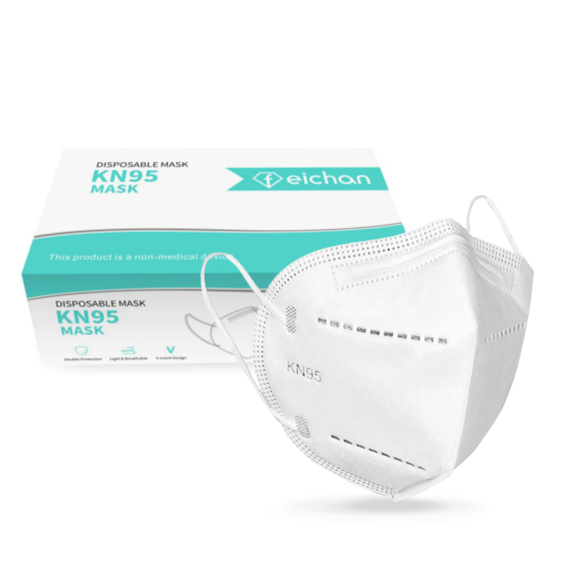
A KN95 face mask is a high-filtration protective mask designed to reduce exposure to airborne particles, dust, bacteria, and viruses. It is widely used in healthcare, industrial environments, public settings, and travel where respiratory protection is important.
KN95 masks became globally recognized due to their strong filtration efficiency and comfortable fit. They are designed to create a secure seal around the nose and mouth, helping to reduce inhalation of harmful airborne particles.
This guide explains everything you need to know about the KN95 face mask, including how it works, its features, types, benefits, uses, and how to choose the right one.
What is a KN95 Face Mask?
A KN95 face mask is a respiratory protective mask that filters at least 95% of airborne particles when properly worn. It is designed according to Chinese filtration standards and is widely used as an alternative to N95 masks in non-medical and general protection settings.
The KN95 mask covers:
-
Nose
-
Mouth
-
Chin
It creates a close facial seal to reduce air leakage and improve filtration efficiency.
How Does a KN95 Face Mask Work?
A KN95 face mask works through multiple layers of filtration material that trap particles before they are inhaled.
The filtration process includes:
-
Outer layer blocks large droplets and dust
-
Middle melt-blown layer filters fine particles and bacteria
-
Inner layer provides comfort and moisture absorption
The tight-fit design ensures that air passes through the filter layers instead of gaps around the mask.
Key Features of KN95 Face Mask
A high-quality KN95 face mask includes several important features:
-
Multi-layer filtration system
-
At least 95% particle filtration efficiency
-
Adjustable nose bridge for secure fit
-
Elastic ear loops for comfort
-
Lightweight and breathable design
-
Tight facial seal to reduce leakage
-
Disposable single-use construction
These features make KN95 masks suitable for both professional and public use.
KN95 Face Mask vs N95 Mask
Many people compare KN95 and N95 masks due to similar performance.
KN95 Face Mask
-
Manufactured under Chinese standards
-
Filters at least 95% of particles
-
Widely used in general protection
N95 Mask
-
Manufactured under US NIOSH standards
-
Also filters 95% of particles
-
Strict certification requirements
Key Difference
Both masks offer similar filtration efficiency, but certification standards and testing protocols differ.
Types of KN95 Face Masks
Different KN95 masks are available depending on usage needs.
1. Standard KN95 Face Mask
Basic protective mask used for general daily protection.
Best for:
-
Public use
-
Travel
-
Offices and schools
2. Medical-Grade KN95 Mask
Certified for healthcare environments.
Best for:
-
Hospitals
-
Clinics
-
Medical staff
3. Activated Carbon KN95 Mask
Includes carbon layer for additional filtration.
Best for:
-
Pollution-heavy areas
-
Industrial environments
Advantages:
-
Odor reduction
-
Extra filtration layer
4. Foldable KN95 Mask
Designed for portability and easy storage.
Best for:
-
Travel
-
Emergency kits
Uses of KN95 Face Mask
The KN95 face mask is used in many environments where air quality protection is needed.
Healthcare Sector
Used by doctors, nurses, and medical staff to reduce exposure to infectious particles.
Public Protection
Used in crowded places such as malls, public transport, and airports.
Industrial Use
Protects workers from dust, smoke, and airborne particles.
Construction Industry
Used to prevent inhalation of dust and fine particles.
Travel and Aviation
Used during flights and travel in enclosed spaces.
Pollution Protection
Helps reduce exposure to air pollution in urban areas.
Benefits of Using KN95 Face Mask
A KN95 face mask offers several important health and safety benefits.
High Filtration Efficiency
Filters at least 95% of airborne particles.
Better Protection
Provides stronger protection compared to basic surgical masks.
Secure Fit
Designed to reduce air leakage around the face.
Lightweight Comfort
Can be worn for extended periods.
Versatile Use
Suitable for healthcare, industrial, and public environments.
Disposable Hygiene
Single-use design reduces contamination risks.
How to Wear a KN95 Face Mask Properly
Proper usage is essential for maximum protection.
-
Wash hands before handling the mask
-
Place mask over nose and mouth
-
Adjust nose clip for secure fit
-
Ensure full coverage of chin
-
Check for gaps around face
-
Avoid touching mask during use
-
Dispose after single use
How to Choose the Right KN95 Face Mask
Choosing the right KN95 face mask depends on several factors.
1. Certification Standards
Ensure the mask meets KN95 or equivalent standards
2. Filtration Efficiency
Look for masks with 95% or higher filtration rating.
3. Fit and Comfort
A proper seal ensures better protection and comfort.
4. Breathability
High-quality masks balance filtration with airflow.
5. Usage Environment
Medical-grade masks are required for healthcare settings.
6. Material Quality
Melt-blown fabric is essential for effective filtration.
Safety Standards for KN95 Face Masks
KN95 masks must meet specific safety and performance standards.
These include:
-
GB 2626-2019 Chinese standard
-
Particle filtration efficiency ≥ 95%
-
Breathability and airflow requirements
-
Proper fit testing guidelines
These standards ensure masks provide reliable protection
KN95 Face Mask vs Surgical Mask
Understanding the difference helps in choosing the right protection.
KN95 Face Mask
-
Higher filtration efficiency
-
Tight facial seal
-
Suitable for airborne protection
Surgical Mask
-
Loose fit design
-
Protects against droplets
-
Lower filtration efficiency
KN95 masks provide stronger respiratory protection
Advantages of KN95 Face Mask
The KN95 face mask is widely used because of its benefits:
-
Strong protection against airborne particles
-
Effective filtration system
-
Comfortable for long use
-
Suitable for multiple environments
-
Easy to carry and store
-
Cost-effective protection solution
Limitations of KN95 Face Mask
Despite its benefits, KN95 masks have some limitations:
-
Not reusable (single-use design)
-
Can feel tight for some users
-
Requires proper fit for effectiveness
-
Quality varies between manufacturers
Environmental Impact of KN95 Masks
Disposable masks contribute to environmental waste.
Modern solutions include:
-
Biodegradable mask materials
-
Recyclable packaging
-
Sustainable production processes
-
Reduced plastic usage
Environmental awareness is increasing in PPE manufacturing.
Common Mistakes When Using KN95 Masks
Avoid these mistakes to ensure proper protection:
-
Wearing loose or ill-fitting masks
-
Reusing disposable masks
-
Touching front surface frequently
-
Not covering nose properly
-
Using uncertified products
Correct usage improves effectiveness significantly.
Future of KN95 Face Masks
The demand for KN95 face mask products continues to grow due to:
-
Air pollution concerns
-
Healthcare safety requirements
-
Global travel needs
-
Workplace protection standards
Future improvements may include:
-
Better breathability materials
-
Reusable hybrid designs
-
Antimicrobial coatings
-
Eco-friendly manufacturing
Conclusion
A KN95 face mask is a highly effective respiratory protection solution designed to filter airborne particles and improve personal safety in various environments. It is widely used in healthcare, industrial, and public settings due to its strong filtration efficiency and secure fit.
Choosing the right KN95 mask ensures better protection, comfort, and compliance with safety standards. As air quality concerns and health awareness increase globally, KN95 masks remain an essential part of personal protective equipment.
FAQs
What is a KN95 face mask used for?
It is used to filter airborne particles, dust, and viruses to protect respiratory health.
Is KN95 better than a surgical mask?
Yes, KN95 masks provide higher filtration and a tighter facial seal.
Can KN95 masks be reused?
No, they are designed for single use only.
What does KN95 mean?
It means the mask can filter at least 95% of airborne particles.
Are KN95 masks safe?
Yes, when properly certified and used correctly, they are safe and effective.
Where are KN95 masks used?
They are used in healthcare, public transport, industrial sites, and travel.
What is the difference between KN95 and N95 masks?
Both offer similar filtration, but they follow different certification standards.

 English
 Arabic
 French
 Spanish
 Portuguese
 Deutsch
 Turkish
 Italiano
 Russian
 Romaian
 Portuguese (Brazil)
 Greek
Greek