


10 Smart Ways to Use Custom Corrugated Boxes to Reduce Shipping Costs and Damage
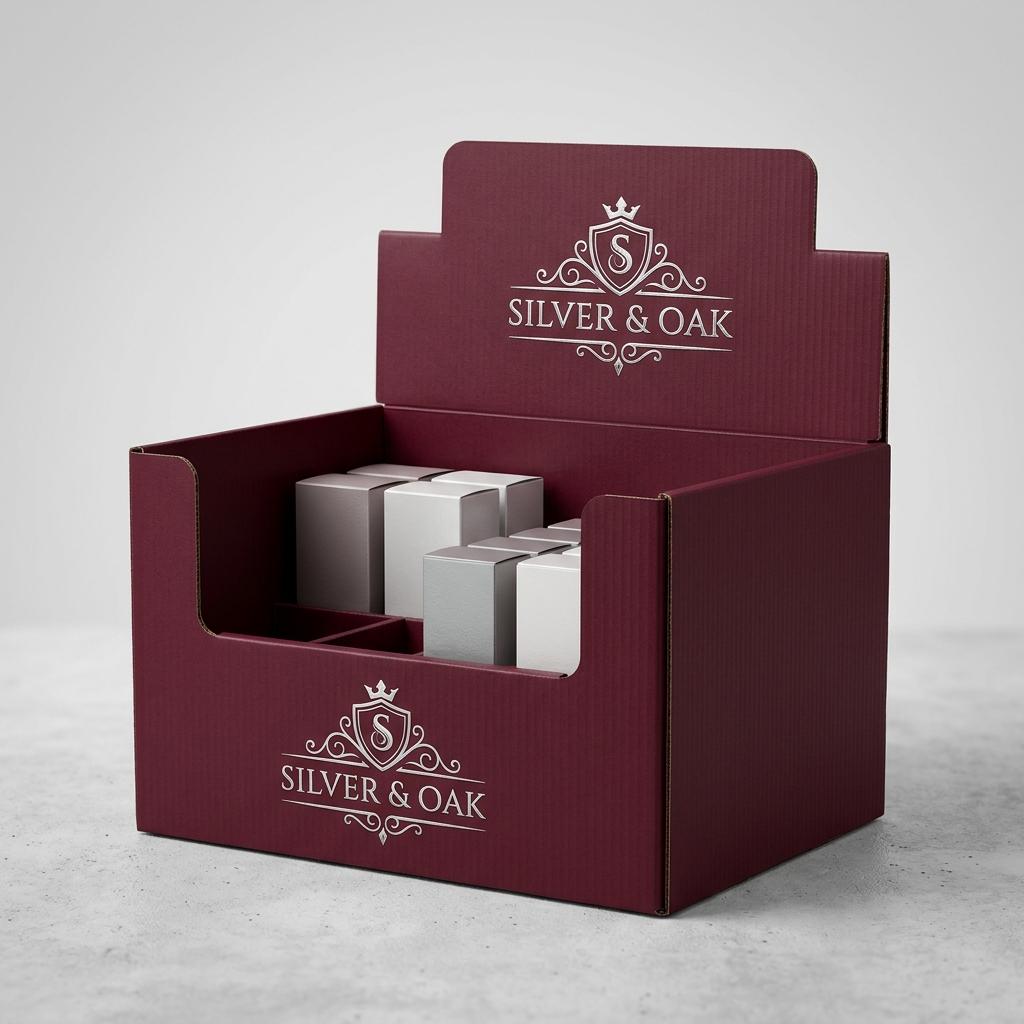
Product damage during shipping costs e-commerce businesses an estimated $25 billion annually. For most online sellers, this reality hits hard. You invest in sourcing quality products, but they arrive at customer doorsteps dented, crushed, or broken. The frustration is real, and so are the refunds. Meanwhile, shipping expenses continue climbing, forcing businesses to choose between eating costs or passing them to customers.
The problem often starts with packaging. Many companies rely on generic stock boxes that don't fit their products properly. Excess void space leads to movement during transit. Extra cushioning adds weight. Oversized dimensions trigger dimensional weight charges from carriers. These inefficiencies stack up, draining margins month after month.
Custom corrugated boxes offer a different path. Unlike one-size-fits-all solutions, custom packaging is engineered specifically for your products and shipping needs. When done right, custom corrugated boxes protect better, cost less, and create memorable unboxing experiences that customers actually share on social media.
This guide walks you through 10 proven ways to harness custom corrugated boxes for simultaneous cost reduction and damage prevention. Whether you ship electronics, beauty products, apparel, or fragile items, these strategies work across industries. By the end, you'll understand exactly how to evaluate, implement, and measure the impact of custom packaging on your bottom line.
Why Custom Corrugated Boxes Outperform Stock Boxes
The difference between stock and custom corrugated boxes comes down to fit and purpose. Stock boxes are designed for generalist use. They work reasonably well for most items but optimize for none. A 12x8x6 stock box might hold your product, but it leaves two inches of empty space, requiring filler material to prevent shifting.
Custom corrugated boxes are built around your specific product dimensions. No wasted space. No unnecessary material. Just protective packaging that does exactly what it needs to do, nothing more.
The financial logic is straightforward. Yes, custom boxes cost more per unit upfront. But when you calculate the total cost of ownership including damage reduction, weight savings, and carrier fee avoidance, custom corrugated boxes pay for themselves quickly. Most businesses see positive ROI within their first three months.
Stock boxes make sense for extremely small order volumes or products with highly variable sizing. For anyone shipping more than 500 units monthly, custom corrugated boxes almost always win the math.
10 Smart Ways to Use Custom Corrugated Boxes
Way 1: Design Perfect-Fit Inserts and Compartments
Movement inside the box is the primary enemy during shipping. Products shift, collide with walls, and accumulate damage across multiple hand-offs through the supply chain. The solution is internal structure.
Perfect-fit custom corrugated boxes include die-cut inserts and compartments that cradle each product precisely. Electronics fit into formed dividers. Cosmetics nestle into custom cells. Apparel items rest in segmented spaces rather than floating loosely.
This architecture eliminates the need for excessive cushioning material. You might need half the void fill compared to a generic box. Less filler means less weight, which directly reduces shipping costs. A 2-pound weight reduction per box adds up quickly. On 10,000 units annually, that's 20,000 pounds of unnecessary expense eliminated.
The secondary benefit is damage reduction. Industry data shows that products in compartmentalized custom corrugated boxes experience 40-60% fewer damage incidents compared to loosely packed stock box alternatives.
Implementation: Work with your packaging partner to develop a prototype insert structure. Test it with your standard product mix. Measure both weight savings and actual shipment damage rates before committing to full production runs.
Way 2: Optimize Box Dimensions for Carrier Pricing
Shipping carriers profit by maximizing space utilization. They invented dimensional weight pricing to disincentivize inefficient packaging. If your box is oversized relative to the product weight, you pay for the unused air as if it were actual mass.
The math works like this: Carriers multiply length x width x height and divide by 166 (their standard divisor, though this varies by carrier). If the dimensional weight exceeds actual weight, you pay shipping based on the larger figure.
Consider a standard electronics product weighing 3 pounds. A poorly optimized box measuring 16x12x8 inches calculates to 11.6 pounds of dimensional weight. You pay for an 11.6-pound shipment even though the item weighs 3 pounds. Now imagine custom corrugated boxes sized at 10x7x5 inches. Dimensional weight drops to 2.1 pounds. The box is actually lighter than the product, so you pay standard weight pricing. Across 1,000 shipments, this dimension optimization saves hundreds or thousands in carrier fees.
Implementation: Have your packaging provider calculate dimensional weight for your current boxes and proposed custom options. Use this analysis in your ROI calculation. Even small dimension reductions compound into significant savings.
Way 3: Use Multi-Depth Custom Corrugated Boxes
Most companies carry product variants that differ in size or quantity. You might ship both single units and bulk packs, or offer the same product in multiple colors. Each variant typically needs its own stock box SKU.
Multi-depth custom corrugated boxes solve this inventory headache. The same box body works for multiple product sizes through adjustable internal dividers or removable inserts. Products nestle at different depths depending on what you're shipping.
The benefits stack quickly. Inventory simplification reduces warehouse space requirements. Supplier relationships become easier to manage when ordering one box SKU instead of three or four. Production economies kick in because you're ordering larger quantities of identical boxes. And operationally, your team spends less time managing box inventory and more time on higher-value work.
Fragile goods businesses see particular value here. One multi-depth custom box architecture accommodates both compact items and larger ones while maintaining protection standards for each.
Implementation: Audit your top product variants. Identify the size range that covers 80-90% of your shipments. Design a multi-depth box that handles this range with appropriate inserts for each variant.
Way 4: Incorporate Lightweight Yet Strong Flute Types
Corrugated cardboard construction varies. The internal fluting (wavy layers) comes in different heights and densities. E-flute is thinner and lighter. B-flute is thicker and stronger. Double-wall combines two flute layers for maximum protection.
Selecting the right flute type is a balance. Use too light a flute and boxes collapse under stacking pressure or impact. Use too heavy a flute and you're paying for strength you don't need.
Most general merchandise ships efficiently in B-flute custom corrugated boxes. Electronics and heavier items benefit from double-wall. Very lightweight products can work in E-flute if stacking loads and transit conditions are managed. Premium goods that need superior brand presentation sometimes opt for double-wall partly for its inherent strength and partly for the perception of quality it creates.
The logistics math: Reducing flute weight by even 0.1 ounces per box adds up across high-volume shipments. A company sending 50,000 boxes annually saves 5,000 pounds of material by optimizing flute selection. That's real cost savings without any protection sacrifice.
Implementation: Consult with your packaging partner about your product weight, typical stacking heights during warehousing, and anticipated drop/impact conditions. They can recommend the minimum adequate flute strength. Start with a sample order using their recommendation.
Way 5: Add Built-in Protective Features
Rather than relying solely on loose cushioning materials, strategic built-in protective features work harder with less filler. Custom corrugated boxes can include:
Reinforced bottom panels to prevent bottom failure under weight. Protective corner posts that absorb impact energy. Die-cut foam or cardboard cushions molded into the box interior. Folding dividers that stabilize products without requiring separate void fill. Crease patterns that guide internal structure assembly by warehouse staff.
Each of these features serves dual purposes. They protect the product while reducing dependency on supplementary packaging materials. Electronics companies use corner protectors to safeguard vulnerable corners. Cosmetics brands embed cushioned cells that eliminate the need for bubble wrap. Apparel companies employ simple dividers that let items breathe while preventing shifting.
The cumulative effect is substantial. Damage rates drop because protection is built into the design rather than depending on consistent proper packing by humans. Material costs drop because you're not buying rolls of bubble wrap, air pillows, or kraft paper as regularly.
Implementation: Review your current damage patterns. Identify which impacts are most common: top crushing, corner damage, internal shifting, or bottom failure. Design protective features specifically addressing your vulnerability profile.
Way 6: Integrate Branding and Unboxing Experience
Here's an often-overlooked reality: custom corrugated boxes are a last-mile marketing channel. Your product is purchased online, but the unboxing experience happens in the customer's home, where she's predisposed to share it on social media if it's remarkable.
Strategic branding and design turns packaging into a brand ambassador. Custom printing with company colors, logos, and messaging transforms a plain box into brand recognition. Premium finishes, spot gloss printing, and vibrant colors communicate quality.
The counterintuitive part: investing in design doesn't necessarily increase costs. You're using custom corrugated boxes anyway. Adding professional printing and design adds modest incremental expense but generates marketing value that stock boxes simply cannot provide. Unboxing videos have become a legitimate marketing channel. When your packaging looks professional and thoughtful, people share it.
For certain product categories—cosmetics, luxury goods, premium apparel—design investment pays dividends. But even for utilitarian categories like small hardware items or office supplies, clean branding improves perceived value without significant material cost increases.
Implementation: Invest in packaging design consultation. Most custom corrugated box suppliers offer design services or partner with designers. Create 2-3 design concepts and test them with a focus group or through social media polling.
Way 7: Switch to Recyclable and Sustainable Custom Corrugated Boxes
Corrugated cardboard is inherently recyclable, but custom corrugated boxes sourced from recycled content and printed with soy-based inks take sustainability further. Increasingly, customers prefer brands that demonstrate environmental responsibility.
Practical impact: Sustainable custom corrugated boxes often cost the same or nearly the same as traditional options. Some carriers now offer modest discounts for sustainably packaged shipments. More importantly, brand loyalty increases among environmentally conscious customers, and word-of-mouth marketing from this segment is potent.
The certification landscape matters. FSC-certified custom corrugated boxes verify responsible forestry. Recycled content percentages are increasingly transparent. Some customers now specifically check packaging materials during their purchase decision.
Implementation: Evaluate suppliers' sustainability credentials. Request samples of recycled-content custom corrugated boxes. Compare costs directly with standard options. The price differential is usually minimal or non-existent, making the decision largely about brand positioning rather than expense.
Way 8: Implement Easy-Open and Reusable Designs
Frustrated customers opening boxes incorrectly cause damage. They tear through protective inserts. They rip interior dividers. They damage products during aggressive unpacking. Custom corrugated boxes designed with intuitive opening mechanisms guide customers through proper unboxing sequences.
Perforation lines, clearly marked tear strips, and illustrated unboxing instructions reduce these failures. When customers open your boxes the intended way, damage decreases. Returns due to self-inflicted customer damage drop dramatically.
Some companies go further, designing custom corrugated boxes as reusable storage solutions. After unboxing, the box becomes functional in a customer's home as a storage container for the product or other items. This design approach increases perceived value and emotional attachment to the brand. Customers who reuse their packaging boxes are more likely to repurchase and leave positive reviews.
Implementation: Test your current unboxing experience yourself. Where do customers naturally resist? Where do they apply force incorrectly? Add opening guides to those vulnerable spots.
Way 9: Bundle Products Smartly with Custom Dividers
Multi-product shipments often require extensive void fill to prevent items from colliding. Custom corrugated boxes with integrated dividers solve this efficiently. Each product sits in its designated compartment. There's no movement, no need for excessive cushioning material.
Bundled shipments typically cost less per item than single-product shipments. When you're consolidating multiple items into custom corrugated boxes with smart dividers, you're maximizing box utilization. The cost per unit shipped decreases, and your overall shipping expense drops as a percentage of revenue.
This approach works exceptionally well for subscription boxes, gift sets, and multi-SKU promotional bundles. The design encourages larger order values because bundled items ship as efficiently as single items.
Implementation: Analyze your bestselling multi-product combinations. Design custom corrugated boxes that accommodate these combinations efficiently. Market these bundles as savings opportunities compared to purchasing items individually.
Way 10: Test and Iterate with Sample Runs
The most sophisticated companies don't design custom corrugated boxes and deploy them immediately across millions of units. They test. They measure. They refine. They test again.
Drop testing reveals structural weaknesses before mass production. Real-world shipment monitoring identifies damage patterns not predicted by lab conditions. Customer feedback surfaces practical usability issues. Data from these tests informs iterative design improvements.
After three months of real shipments, you have actual damage rates and cost data. Compare these to your baseline metrics. If damage rates dropped 35% and shipping costs fell 12%, that's quantified ROI. If certain damage types persist, that's a design adjustment signal.
Companies that approach custom corrugated boxes as continuous improvement processes squeeze out 15-20% additional savings compared to one-shot implementation approaches. The investment in testing and iteration pays back many times over.
Implementation: Order sample batches. Conduct drop tests from 3-foot heights (simulate normal handling). Run 100-200 real shipments and track damage rates. Compile feedback from customers. Meet with your packaging partner to discuss findings and design iterations.
Quick Comparison: Stock Boxes vs Custom Corrugated Boxes
|
Factor |
Stock Boxes |
Custom Corrugated Boxes |
|
Protection Level |
Average |
Excellent |
|
Shipping Cost Impact |
Higher (over-packaging) |
Lower (optimized size/weight) |
|
Branding Opportunity |
Limited |
High |
|
Initial Cost |
Low |
Medium (but ROI is fast) |
|
Damage Rate |
Higher |
Significantly Lower |
|
Design Flexibility |
None |
Complete customization |
|
Sustainability Options |
Standard |
Recycled/premium available |
Real-World Results and Case Studies
An electronics retailer shipping 15,000 units annually reduced damage claims by 38% within six months of switching to custom corrugated boxes with integrated foam inserts. The improved customer satisfaction led to a 12% increase in repeat purchases, offsetting all packaging cost increases.
A beauty and cosmetics brand redesigned their custom corrugated boxes to be reusable storage containers. Social media engagement around unboxing experiences increased 220%. Customer lifetime value increased measurably as repeat purchase rates climbed 8% year-over-year.
A mid-sized apparel company optimized box dimensions to reduce dimensional weight charges. Across their 40,000 annual shipments, this single change reduced carrier fees by $18,000 annually. The investment in box redesign was recovered within the first month.
A subscription box service consolidated four different stock box SKUs into two multi-depth custom corrugated boxes. Warehouse staff time managing inventory decreased by 15 hours weekly. Product damage rates dropped 22%. Customers reported improved unboxing experiences.
How to Get Started with Custom Corrugated Boxes
Step 1: Analyze Current Packaging and Damage Rates
Document your existing box SKUs, typical dimensions, and current costs. Track actual damage rates by category over a 30-day period. This baseline is essential for later ROI calculation.
Step 2: Calculate Dimensional Weight Impact
For each primary product, calculate the dimensional weight using current boxes and projected custom dimensions. Quantify the potential savings.
Step 3: Work with a Reliable Packaging Partner
Identify custom corrugated box suppliers in your region or consider national providers. Request quotes for sample runs. Evaluate their design consultation process, lead times, and customer support. References matter.
Step 4: Order Samples and Perform Drop Testing
Request functional prototypes. Conduct drop tests from 3-foot and 5-foot heights. Fill boxes with actual products and drop them. Real-world conditions matter more than theoretical specifications.
Step 5: Measure ROI After the First Three Months
Run your first production order of custom corrugated boxes through real shipments. Track damage rates, customer feedback, and actual shipping costs. Compare these metrics to your 30-day baseline. Calculate quantified ROI.
Common Mistakes to Avoid
Mistake 1: Overengineering Strength
Using double-wall custom corrugated boxes when B-flute adequately protects your products adds unnecessary cost. Strength should match actual requirements, not worst-case scenarios that rarely occur.
Mistake 2: Ignoring Dimensional Weight
Designing a beautiful box without calculating carrier dimensional weight penalties means missing the biggest cost-saving opportunity. Always optimize dimensions first.
Mistake 3: Forgetting the Assembly Experience
A box designed brilliantly but confusing to pack or open creates operational headaches. Consult with your warehouse staff during design.
Mistake 4: Skipping Damage Rate Tracking
You cannot improve what you don't measure. Establish baseline damage tracking before switching to custom corrugated boxes. Without before-and-after data, ROI remains theoretical.
Mistake 5: Underestimating Design and Branding Value
Treating custom corrugated boxes as pure commodity purchases misses the brand-building opportunity. Even modest design investment generates marketing returns.
Mistake 6: Committing to Mass Production Without Testing
Ordering 50,000 units without sample validation is risky. Test at volume 5-10% of your planned runs before full commitment.
Conclusion
Custom corrugated boxes represent an underutilized lever for cost reduction and customer satisfaction improvement. The 10 strategies outlined here—from perfect-fit compartments to continuous testing—work across industries and product categories.
The economics are compelling. Lower damage rates reduce refunds and customer service costs. Optimized dimensions cut carrier fees. Reduced material waste lowers packaging expense. Better brand presentation increases perceived value and repeat purchases. These benefits compound, creating month-over-month improvements in unit economics.
The implementation is straightforward. Start with an honest assessment of your current packaging performance. Identify your biggest pain point—whether that's dimensional weight charges, damage rates, or brand perception. Design custom corrugated boxes addressing that specific challenge. Test them. Measure results. Iterate.
Ready to reduce your shipping costs and damage claims? Get a free custom corrugated box quote today from a partner who understands your business and can design solutions specifically for your products and goals.

 English
 Arabic
 Spanish
 Portuguese
 Deutsch
 Turkish
 Dutch
Dutch
 Italiano
 Russian
 Romaian
 Portuguese (Brazil)
 Greek
Greek