


Concrete Jacketing for Long-Term Structural Durability
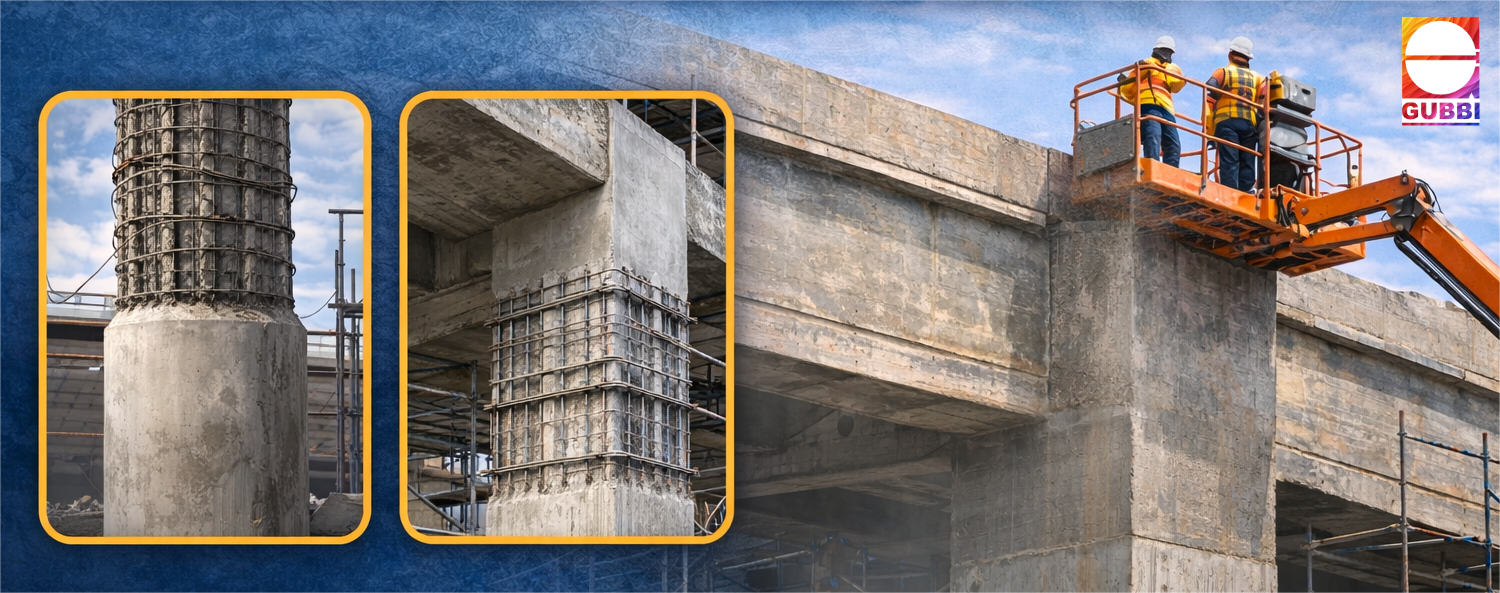
Buildings and infrastructure are designed to withstand various loads and environmental conditions throughout their lifespan. However, factors such as aging, increased loading requirements, poor construction practices, corrosion, earthquakes, and environmental exposure can gradually reduce structural capacity. When structural members begin to show signs of distress, timely strengthening becomes essential to restore safety and performance. Among the most reliable strengthening techniques used in civil engineering today, RCC Jacketing , Column Jacketing, Concrete Jacketing, and Steel Jacketing have proven highly effective. These methods enhance the load-carrying capacity of structural members while extending the service life of buildings, industrial facilities, bridges, and other structures. Understanding these strengthening techniques helps property owners make informed decisions when planning rehabilitation projects.
What is RCC Jacketing?
RCC Jacketing is a structural strengthening method that involves increasing the dimensions of existing reinforced concrete members by adding a new layer of reinforced concrete around them. The process includes installing additional reinforcement bars, connecting them with the existing structure, and placing high-quality concrete to create a stronger composite section.
This technique is commonly used when columns, beams, and other structural elements require increased load-bearing capacity. RCC jacketing helps improve structural strength, stiffness, and durability. It is widely adopted in building rehabilitation projects because it provides a practical and cost-effective solution compared to complete demolition and reconstruction.
Why Structural Members Require Strengthening
Structural deterioration can occur due to several factors that affect the integrity and safety of a building. Exposure to moisture, chemical attacks, corrosion of reinforcement, foundation settlement, and design deficiencies can gradually weaken structural components. In some cases, changes in building usage may introduce additional loads that exceed the original design capacity.
When such issues arise, strengthening becomes necessary to restore structural performance. Ignoring these warning signs can lead to progressive damage and higher repair costs in the future. Proper assessment and strengthening interventions help prevent further deterioration while ensuring long-term structural stability and safety.
Understanding Column Jacketing
Column Jacketing is one of the most frequently used strengthening methods for reinforced concrete buildings. Since columns are primary load-bearing members, any reduction in their strength can significantly impact overall structural performance. Column jacketing involves increasing the cross-sectional area of existing columns through additional reinforcement and concrete or steel encasement.
The primary objective is to enhance axial load capacity, improve seismic performance, and reduce structural vulnerability. Column jacketing is particularly beneficial in buildings undergoing vertical expansion, structural modifications, or seismic upgrades. The technique strengthens existing columns without requiring complete replacement, making it highly practical for occupied buildings.
Benefits of RCC and Column Jacketing
One of the major advantages of jacketing methods is the significant increase in structural strength. Additional reinforcement and concrete improve load distribution while enhancing resistance against future deterioration. Strengthened columns and beams can safely accommodate increased operational loads and changing building requirements.
Another important benefit is improved earthquake resistance. Buildings located in seismic zones often require strengthening to meet updated safety standards. RCC and column jacketing enhance ductility and stiffness, helping structures perform better during seismic events. These improvements contribute to increased occupant safety and reduced structural damage during earthquakes.
What is concrete jacketing?
Concrete Jacketing is a rehabilitation technique where a new concrete layer is added around an existing structural member to increase its strength and durability. The process typically includes surface preparation, installation of reinforcement cages, bonding treatments, and placement of high-strength concrete around the existing element.
Concrete jacketing is suitable for columns, beams, walls, and foundations that have experienced deterioration or require capacity enhancement. By increasing the member dimensions and reinforcing capacity, concrete jacketing restores structural performance while providing additional protection against environmental exposure and corrosion-related damage.
Applications of Concrete Jacketing in Existing Structures
Concrete jacketing is widely used in residential, commercial, industrial, and infrastructure projects. Buildings affected by aging, corrosion, excessive loading, or construction defects can benefit significantly from this strengthening method. It is also frequently used in bridge rehabilitation and industrial facility upgrades where structural reliability is critical.
Engineers often recommend concrete jacketing when existing structural members exhibit cracks, reduced strength, or signs of distress. The technique allows structures to continue functioning safely while avoiding the substantial costs and disruptions associated with complete reconstruction. This makes it a preferred solution for many rehabilitation projects.
Steel Jacketing and Its Advantages
Steel Jacketing is another highly effective strengthening technique used to improve structural performance. In this method, steel plates, steel angles, or fabricated steel sections are installed around existing concrete members. The steel components are securely connected to create a confinement effect that enhances strength and load-carrying capacity.
Steel jacketing is especially useful when rapid strengthening is required. Compared to concrete-based solutions, steel jacketing often involves shorter installation times and minimal increase in member dimensions. The technique provides excellent confidence and significantly improves the structural behavior of columns subjected to heavy loads or seismic forces.
When Is Steel Jacketing Preferred?
Steel jacketing is commonly selected when project timelines are tight or when space limitations prevent significant enlargement of structural members. Industrial facilities, bridges, parking structures, and commercial buildings often utilize steel jacketing to achieve strengthening objectives without major operational disruptions.
The method is also beneficial when immediate structural support is needed. Since steel components can be prefabricated and installed efficiently, strengthening work can be completed faster than conventional concrete jacketing in certain situations. This makes steel jacketing an attractive option for emergency rehabilitation and critical infrastructure projects.
Comparing RCC Jacketing and Steel Jacketing
Both RCC jacketing and steel jacketing offer effective solutions for structural strengthening, but their suitability depends on project requirements. RCC jacketing provides excellent durability, increased stiffness, and enhanced structural integration with existing concrete members. It is often preferred for long-term rehabilitation projects involving significant capacity enhancement.
Steel jacketing, on the other hand, offers faster installation and reduced section enlargement. It is particularly advantageous when construction speed and space constraints are important considerations. Engineers evaluate factors such as structural condition, loading requirements, environmental exposure, and project budget before selecting the most appropriate strengthening technique.
Key Steps Involved in the Jacketing Process
The success of any jacketing project depends on careful planning and execution. The process typically begins with a detailed structural assessment to identify deficiencies and determine strengthening requirements. Engineers evaluate existing conditions through inspections, testing, and structural analysis before developing rehabilitation recommendations.
Following assessment, the existing surface is prepared to ensure proper bonding. Additional reinforcement or steel components are installed according to design specifications. Concrete placement or steel assembly is then completed under strict quality control procedures. Final inspections verify that strengthening objectives have been successfully achieved and structural performance has improved.
Importance of Professional Structural Assessment
Before implementing any strengthening method, a thorough structural evaluation is essential. Every structure has unique characteristics, deterioration patterns, and load requirements that influence rehabilitation decisions. Selecting an inappropriate strengthening solution may lead to ineffective results and unnecessary expenses.
Professional assessment helps identify the root causes of structural distress while determining the most suitable strengthening strategy. Engineers consider factors such as material condition, load demands, environmental exposure, and future usage plans. This comprehensive approach ensures that rehabilitation measures address both current deficiencies and long-term performance requirements.
Choosing the Right Structural Strengthening Partner
Structural rehabilitation projects require specialized expertise, technical knowledge, and strict adherence to engineering standards. Selecting an experienced strengthening contractor plays a critical role in achieving successful outcomes. Quality workmanship, proper materials, and effective project management directly influence the long-term performance of strengthened structures.
For property owners seeking reliable structural strengthening solutions, consulting experienced engineering professionals is highly recommended. Companies such as Gubbi Civil Engineers Limited provide technical expertise in structural assessment, rehabilitation planning, and strengthening execution, helping clients extend the service life and safety of their valuable assets.
RCC Jacketing, Column Jacketing, Concrete Jacketing, and Steel Jacketing remain among the most effective methods for strengthening deteriorated or underperforming structures. These techniques enhance load-carrying capacity, improve durability, and increase resistance to future damage while extending the lifespan of buildings and infrastructure. Timely strengthening interventions not only improve structural safety but also reduce long-term maintenance costs and prevent major failures. By conducting proper assessments and selecting appropriate rehabilitation techniques, property owners can ensure their structures continue performing safely and efficiently for many years to come.

 English
 Arabic
 Spanish
 Portuguese
 Deutsch
 Turkish
 Dutch
Dutch
 Italiano
 Russian
 Romaian
 Portuguese (Brazil)
 Greek
Greek