


Day Labels: Complete Guide to Uses, Benefits, Types, and Industrial Applications
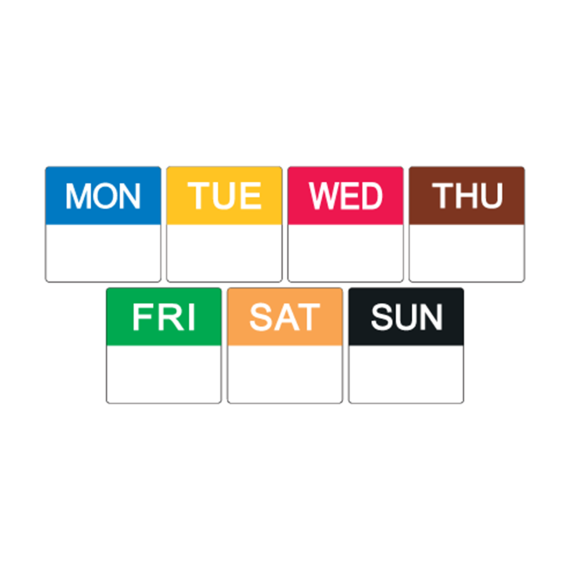
The Day labels are simple but highly important tools used in healthcare, food service, laboratories, hospitality, and industrial environments. They help organize products, track storage time, manage inventory rotation, and maintain strict hygiene and safety standards.
From preventing food waste in commercial kitchens to ensuring compliance in hospitals, day labels play a crucial role in operational efficiency and safety management.
This guide explains everything you need to know about day labels, including types, uses, benefits, industry applications, compliance importance, and how to choose the right labels for your business.
What Are Day Labels?
Day labels are adhesive stickers or tags used to indicate the day of preparation, storage, or expiration of a product or item. They are commonly color-coded or printed with weekdays such as Monday, Tuesday, Wednesday, and so on.
Their main purpose is to:
-
Track food or product freshness
-
Ensure proper stock rotation
-
Reduce waste and spoilage
-
Improve hygiene and safety compliance
-
Organize inventory in structured systems
They are widely used in environments where time-sensitive storage is critical.
Why Day Labels Are Important
In industries where perishable goods or sensitive materials are handled, proper labeling is essential. Day labels help maintain control and prevent mistakes.
They are important because they:
-
Reduce risk of foodborne illness
-
Prevent use of expired products
-
Improve inventory management efficiency
-
Support HACCP and hygiene compliance systems
-
Save cost by reducing waste
Without proper labeling systems, businesses face higher risks of contamination, errors, and regulatory issues.
Types of Day Labels
Day labels come in various formats depending on industry needs.
1. Weekly Color-Coded Day Labels
These are the most common type used in commercial kitchens and healthcare.
Features:
-
Each day has a different color
-
Easy visual identification
-
Fast rotation system
Used in:
-
Restaurants
-
Hospitals
-
Catering services
2. Pre-Printed Day Labels
These labels have the day of the week printed clearly.
Features:
-
Simple text format
-
Easy to read
-
No confusion in usage
Used in:
-
Food storage areas
-
Retail stock rooms
-
Laboratories
3. Writable Day Labels
These allow users to write additional information.
Features:
-
Space for date, time, or initials
-
Flexible usage
-
Customizable
Used in:
-
Medical labs
-
Food preparation areas
-
Industrial storage
4. Dissolvable Day Labels
Eco-friendly labels that dissolve during washing.
Features:
-
Water-soluble material
-
No residue left behind
-
Hygienic removal
Used in:
-
Commercial kitchens
-
Hospitals
-
Food processing plants
5. Removable Adhesive Labels
Designed to peel off easily without leaving marks.
Features:
-
Clean removal
-
Strong but temporary adhesive
-
Surface-safe
Used in:
-
Warehouses
-
Retail environments
-
Cold storage units
Key Features of Day Labels
Day labels are designed for simplicity and efficiency.
Color Coding
Helps users quickly identify days at a glance.
Strong Adhesion
Ensures labels stay in place during storage and handling.
Writable Surface
Allows customization of additional details.
Moisture Resistance
Suitable for cold storage and refrigeration environments.
Easy Removal
Some labels are designed to peel off without residue
Applications of Day Labels
Day labels are used in multiple industries where time tracking is essential.
Food Service Industry
Used in:
-
Restaurants
-
Hotels
-
Catering kitchens
Purpose:
-
Track food preparation dates
-
Manage FIFO (First In First Out) systems
-
Reduce food waste
Healthcare Industry
Used in:
-
Hospitals
-
Clinics
-
Nursing homes
Purpose:
-
Label medications and samples
-
Ensure patient safety
-
Track usage dates
Pharmaceutical Industry
Used in:
-
Drug storage
-
Laboratories
-
Research facilities
Purpose:
-
Maintain compliance
-
Track product stability
-
Prevent expired usage
Retail and Warehousing
Used in:
-
Inventory management
-
Stock rotation
-
Cold storage units
Purpose:
-
Improve organization
-
Reduce expired stock losses
Food Processing Industry
Used in:
-
Packaging units
-
Meat processing plants
-
Dairy production
Purpose:
-
Maintain hygiene standards
-
Ensure traceability
Benefits of Day Labels
Day labels provide several operational advantages.
1. Improved Food Safety
Helps prevent use of expired or unsafe products.
2. Better Inventory Control
Supports structured stock rotation systems.
3. Reduced Waste
Minimizes spoilage and unnecessary disposal.
4. Regulatory Compliance
Helps meet HACCP and hygiene standards.
5. Operational Efficiency
Speeds up identification and decision-making processes.
6. Cost Savings
Reduces losses due to expired or mismanaged stock
Day Labels and HACCP Compliance
Hazard Analysis and Critical Control Points (HACCP) systems rely heavily on proper labeling.
Day labels help by:
-
Tracking food storage time
-
Identifying safe usage windows
-
Supporting audit requirements
-
Ensuring traceability of products
This makes them essential in professional kitchens and food production environments.
How Day Labels Work in FIFO Systems
FIFO (First In First Out) is a stock rotation method widely used in food and retail industries.
Day labels support FIFO by:
-
Clearly marking preparation dates
-
Helping staff use older stock first
-
Preventing product overlap
-
Reducing spoilage risks
This improves both safety and efficiency.
Materials Used in Day Labels
The performance of day labels depends on their material quality.
Paper Labels
-
Cost-effective
-
Suitable for dry environments
-
Easy to print and write
Vinyl Labels
-
More durable
-
Moisture-resistant
-
Suitable for refrigeration
Dissolvable Film
-
Eco-friendly
-
Water-soluble
-
No waste residue
Synthetic Labels
-
High durability
-
Resistant to tearing and moisture
How to Choose the Right Day Labels
Choosing the right labels depends on your operational needs.
1. Industry Type
Food service, healthcare, and industrial sectors require different label types.
2. Storage Conditions
Cold storage requires moisture-resistant labels.
3. Durability Needs
Long-term storage needs stronger adhesive labels.
4. Removal Requirements
Choose dissolvable or removable labels for hygiene-sensitive areas.
5. Visibility
Color-coded labels improve speed and accuracy.
Common Mistakes in Using Day Labels
Incorrect Label Placement
Poor placement reduces visibility and tracking efficiency.
Not Updating Labels
Old labels can cause confusion and safety risks.
Using Wrong Material
Paper labels in wet environments can peel off easily.
Ignoring FIFO Practices
Leads to food waste and expired product usage
Environmental Impact of Day Labels
Modern day labels are becoming more sustainable.
Eco-friendly improvements include:
-
Biodegradable materials
-
Dissolvable label technology
-
Reduced adhesive chemicals
-
Recyclable packaging
These improvements help reduce environmental impact in commercial kitchens and industries.
Storage Guidelines for Day Labels
To maintain label quality:
-
Store in a cool, dry place
-
Avoid direct sunlight
-
Keep away from moisture
-
Do not stack under heavy weight
-
Use within shelf life period
Proper storage ensures adhesive strength and readability.
Future of Day Labels
Day labels are evolving with technology and sustainability trends.
Future developments include:
-
Smart labels with QR codes
-
Digital tracking integration
-
RFID-enabled labeling systems
-
Fully compostable materials
-
Automated labeling systems in kitchens and warehouses
These innovations will improve efficiency and reduce manual errors.
FAQs about Day Labels
What are day labels used for?
Day labels are used to track storage dates and manage inventory rotation in food, healthcare, and industrial environments.
Why are day labels color-coded?
Color coding makes it easier to quickly identify different days and improve workflow efficiency.
Are day labels waterproof?
Some vinyl and synthetic day labels are water-resistant, but paper labels are not.
Can day labels be removed easily?
Yes, removable and dissolvable options are designed for easy removal without residue.
Where are day labels commonly used?
They are commonly used in restaurants, hospitals, food processing plants, and warehouses.
Do day labels help with food safety compliance?
Yes, they are essential for HACCP compliance and proper food safety management.
What is FIFO in day labeling systems?
FIFO means “First In First Out,” a system that ensures older stock is used before newer stock.
Conclusion
The Day labels are a simple but powerful tool for maintaining organization, safety, and efficiency across multiple industries. From food service to healthcare and warehousing, they help ensure proper tracking, reduce waste, and improve compliance with safety standards.
As industries continue to focus on hygiene, efficiency, and sustainability, day labels are evolving into smarter, eco-friendly, and more advanced solutions.
For any business that handles time-sensitive products, day labels are not just an option—they are a necessity for safe and efficient operations

 English
 Arabic
 French
 Spanish
 Portuguese
 Turkish
 Dutch
Dutch
 Italiano
 Russian
 Romaian
 Portuguese (Brazil)
 Greek
Greek