


What Is Social Media Marketing and Why Is It Essential for Businesses in 2026
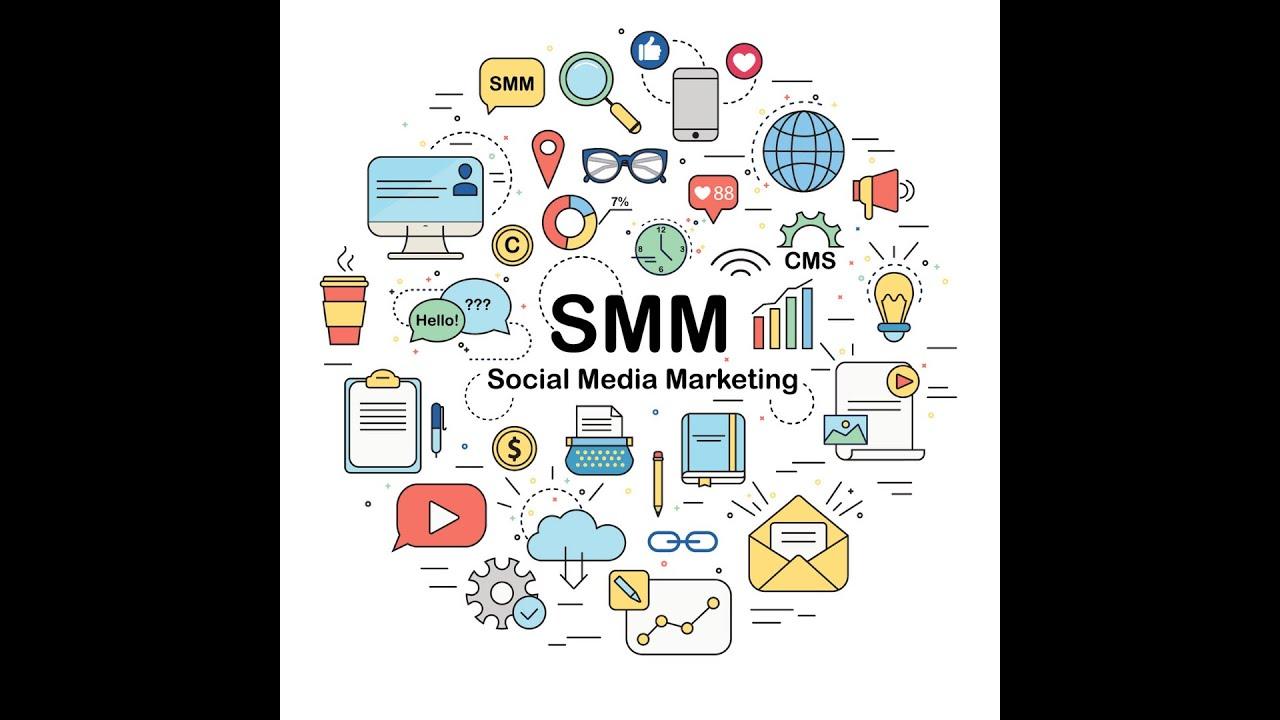
Social media marketing is the practice of using platforms like Facebook, Instagram, LinkedIn, TikTok, and YouTube to promote brands, engage audiences, generate leads, and drive sales. In 2026, it has become essential for businesses because consumers increasingly discover products online, expect real-time interactions, and prefer brands that provide valuable, personalized, and engaging content. Companies that invest in strategic social media efforts are better positioned to build trust, improve visibility, and remain competitive in a rapidly evolving digital marketplace.
Social media marketing has evolved from a simple brand awareness tactic into one of the most influential components of modern business growth. In 2026, businesses of all sizes rely on social platforms not only to communicate with customers but also to generate leads, improve customer service, and drive sales. As consumer behavior continues shifting toward digital-first interactions, companies that fail to establish a strong social presence risk losing visibility in highly competitive markets.
The growing complexity of digital platforms has also increased demand for specialized expertise. Many organizations seek guidance from a social media marketing consultant. These professionals help businesses understand platform algorithms, audience behavior, content planning, and advertising strategies to maximize engagement and return on investment. Their insights can be especially valuable for brands navigating rapidly changing social media trends.
According to recent industry studies, there are now more than 5.4 billion social media users worldwide, representing approximately 65% of the global population. Average daily usage exceeds two hours, making social networks one of the most influential channels for discovering products, engaging with brands, and making purchasing decisions. This widespread adoption explains why social media marketing has become a necessity rather than an optional marketing activity.
What Is Social Media Marketing?
Social media marketing refers to the process of using meaningful social networking platforms to promote products, services, or brands while building relationships with audiences. It combines content creation, audience interaction, paid advertising, data analysis, and community management to achieve business objectives.
Unlike traditional advertising, social media marketing allows businesses to communicate directly with customers, receive instant feedback, and personalize experiences based on audience preferences.
Core elements of social media marketing include:
- Content development
- Community engagement
- Influencer collaborations
- Paid social campaigns
- Performance measurement
- Customer support initiatives
- Brand storytelling
- Social commerce activities
Each component contributes to creating a cohesive digital presence that attracts, nurtures, and retains customers.
How Social Media Marketing Has Changed by 2026
Over the last decade, social media marketing has undergone significant transformation.
Initially, businesses relied heavily on organic reach. Posting regularly was often enough to maintain visibility among followers. However, algorithm updates and increased competition have made organic exposure more challenging.
Several major developments have shaped today's landscape:
- Short-form videos dominate engagement.
- Artificial intelligence assists with content creation.
- Social commerce features enable direct purchases.
- Personalization technologies improve user experiences.
- Communities and niche groups drive higher engagement rates.
Businesses today compete within what experts describe as the "attention economy." Brands are not simply competing against direct competitors but against every piece of content appearing in a user's feed.
Why Social Media Marketing Matters in 2026
Consumer behavior has fundamentally changed.
Modern customers expect brands to maintain active social profiles, respond quickly to inquiries, and provide educational or entertaining content. Research suggests that more than 75% of consumers discover new businesses through social platforms.
Several factors explain why social media marketing remains essential.
Improved Brand Awareness
Social media allows companies to reach audiences beyond geographical limitations.
Whether through organic posts, influencer partnerships, or advertising campaigns, brands can significantly increase visibility.
Benefits include:
- Increased brand recognition
- Enhanced credibility
- Better audience recall
- Greater market penetration
Customer Engagement Opportunities
Unlike traditional media channels, social platforms encourage two-way communication.
Brands can:
- Answer customer questions
- Address concerns
- Gather feedback
- Build online communities
- Strengthen customer relationships
Companies that actively engage with followers often experience higher retention rates.
Cost-Effective Marketing
Compared to television advertising or print campaigns, social media marketing remains relatively affordable.
Businesses can start with modest budgets and scale campaigns according to performance.
Advantages include:
- Flexible spending
- Detailed audience targeting
- Measurable outcomes
- Faster campaign adjustments
Which Platforms Are Most Important in 2026?
Platform selection depends largely on audience demographics and business objectives.
Facebook continues serving businesses seeking broad demographic reach and community development.
Instagram remains highly effective for visually driven industries such as fashion, hospitality, fitness, and beauty.
LinkedIn is particularly valuable for B2B organizations focusing on professional networking and thought leadership.
TikTok
TikTok's algorithm provides opportunities for brands to achieve substantial reach through creative short-form videos.
YouTube
Video consumption continues growing rapidly, making YouTube an essential platform for educational content, tutorials, and long-form storytelling.
Businesses should prioritize platforms where their ideal customers spend the most time rather than attempting to maintain a presence everywhere.
Building an Effective Social Media Strategy
An organized strategy improves campaign effectiveness and ensures resources are allocated efficiently.
Important steps include:
1. Define Objectives
Businesses should establish measurable goals such as:
- Increasing website traffic
- Generating leads
- Growing followers
- Improving engagement
- Driving sales
2. Understand Your Audience
Audience research should consider:
- Age demographics
- Geographic location
- Interests
- Purchasing behavior
- Pain points
3. Create Valuable Content
Successful content often falls into three categories:
- Educational
- Inspirational
- Entertaining
Brands should focus on helping audiences solve problems instead of constantly promoting products.
Interestingly, industries beyond retail also benefit from social strategies. For example, companies operating within sectors associated with best book publishing frequently use social media campaigns to showcase author interviews, book launches, and reader communities, demonstrating how adaptable these marketing techniques have become across industries.
4. Monitor Performance
Important metrics include:
- Engagement rate
- Click-through rate
- Website sessions
- Conversions
- Cost per acquisition
Analytics help businesses identify which content resonates most with audiences.
Common Social Media Marketing Mistakes
Many businesses struggle because they approach social media without a clear framework.
Common mistakes include:
- Posting inconsistently
- Ignoring analytics
- Buying fake followers
- Publishing mostly promotional content
- Failing to respond to comments
- Following every trend blindly
- Neglecting audience preferences
Avoiding these issues allows businesses to build stronger and more authentic relationships.
Case Study: A Small Retail Brand's Growth
A small online apparel company faced declining website traffic despite offering competitive products.
Management introduced several initiatives:
- Three weekly short-form videos
- Customer-generated content campaigns
- Interactive polls
- Educational styling tips
- Community-focused giveaways
After six months, the results showed:
- 68% increase in followers
- 42% improvement in engagement rates
- 31% growth in website traffic
- 22% increase in monthly sales inquiries
The case demonstrates that consistency and audience-focused content often outperform aggressive promotional tactics.
Future Trends Beyond 2026
Emerging technologies will continue reshaping social media marketing.
Expected developments include:
- AI-powered personalization
- Virtual influencers
- Augmented reality experiences
- Predictive customer behavior modeling
- Voice-enabled social searches
- Enhanced social commerce integrations
Businesses that remain adaptable and embrace innovation will likely maintain stronger competitive positions.
Conclusion
Social media marketing has become one of the most powerful tools available to businesses in 2026. With billions of users actively engaging online, companies have unprecedented opportunities to build awareness, foster customer loyalty, and generate revenue. Success depends on understanding audiences, creating meaningful content, measuring performance, and adapting to evolving technologies. Organizations that invest in strategic and authentic social engagement are better positioned to thrive in an increasingly digital economy.
FAQs
What is social media marketing in simple terms?
Social media marketing involves using platforms such as Facebook, Instagram, LinkedIn, TikTok, and YouTube to promote a business, engage customers, and increase visibility. It combines content creation, advertising, and community interaction to achieve specific business goals.
Why is social media marketing important in 2026?
Social media has become one of the primary ways consumers discover brands and products. Businesses use these platforms to build trust, communicate directly with audiences, and compete effectively in crowded digital markets while benefiting from advanced targeting and analytics tools.
Which social media platform is best for businesses?
The ideal platform depends on a company's target audience, industry, and objectives. LinkedIn often works best for B2B companies, while Instagram and TikTok may be more effective for visually oriented consumer brands seeking younger demographics.
How can businesses measure social media success?
Businesses should monitor metrics such as engagement rates, website traffic, conversions, follower growth, and return on investment. Regular analysis helps identify successful campaigns and areas that require optimization.
Is social media marketing expensive?
Social media marketing can be cost-effective because businesses can choose budgets that align with their resources. Organic content strategies require time and consistency, while paid advertising allows companies to scale efforts based on performance and desired outcomes.

 English
 Arabic
 French
 Spanish
 Portuguese
 Turkish
 Dutch
Dutch
 Italiano
 Russian
 Romaian
 Portuguese (Brazil)
 Greek
Greek