


Disposable Gowns Australia: A Complete Guide to Types, Uses, and Buying Options
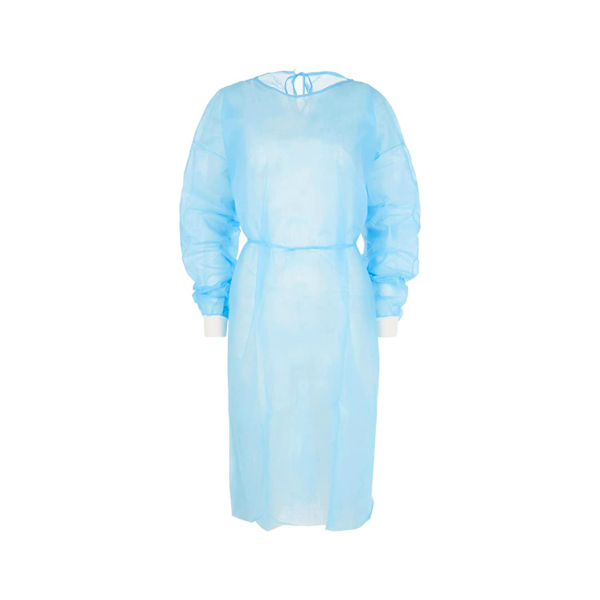
Discover disposable gowns in Australia, including types, uses, materials, safety standards, and buying tips. A complete guide for healthcare, food, and industrial use.
Disposable gowns are widely used across healthcare, food processing, cleaning services, and industrial environments in Australia. They are designed to protect workers, patients, and products from contamination, fluids, and hazardous materials.
Demand for disposable gowns Australia has increased due to strict hygiene standards and workplace safety regulations. Hospitals, clinics, laboratories, and even food factories now rely heavily on single-use protective clothing.
This guide explains everything you need to know before buying disposable gowns in Australia, including types, materials, standards, uses, and how to choose the right option.
What Are Disposable Gowns?
Disposable gowns are single-use protective garments designed to act as a barrier between the wearer and the environment.
They are typically made from lightweight synthetic materials such as polypropylene or polyethylene. Some higher-grade gowns include SMS (spunbond-meltblown-spunbond) fabric for better protection.
These gowns are not meant for reuse. After a single use, they are safely discarded to prevent contamination and infection spread.
Why Disposable Gowns Are Important in Australia
Australia maintains strict safety and hygiene protocols across multiple industries. Disposable gowns help meet these standards by:
-
Reducing cross-contamination in hospitals
-
Protecting food from human contact during processing
-
Ensuring hygiene in laboratories
-
Maintaining workplace safety in industrial zones
-
Supporting infection control protocols
Healthcare remains the largest user, but demand has expanded into non-medical sectors as well.
Types of Disposable Gowns in Australia
Different industries require different levels of protection. Here are the most common types available in the Australian market.
1. Surgical Disposable Gowns
These are used in operating rooms and medical procedures.
Features:
-
Sterile packaging
-
High fluid resistance
-
Long sleeves with cuffs
-
Back tie or Velcro closure
They are designed to protect both patients and medical staff during surgery.
2. Isolation Gowns
Isolation gowns are used in hospitals and clinics to prevent the spread of infections.
Features:
-
Lightweight material
-
Moderate fluid resistance
-
Full body coverage
-
Thumb loop or elastic cuffs
They are commonly used in emergency rooms and patient care units.
3. Non-Woven Disposable Gowns
These gowns are used in general-purpose environments.
Features:
-
Breathable fabric
-
Basic protection
-
Low cost
-
Comfortable for long use
They are often used in cleaning, salons, and food handling.
4. Polyethylene Gowns
These are plastic-based gowns used for high fluid protection.
Features:
-
Waterproof
-
High durability
-
Suitable for messy environments
-
Limited breathability
Common in food processing and cleaning industries.
5. SMS Gowns
SMS gowns provide higher protection and comfort.
Features:
-
Multi-layer protection
-
Fluid resistance
-
Better breathability than plastic gowns
-
Used in hospitals and labs
They are considered premium-grade disposable gowns.
Materials Used in Disposable Gowns
The effectiveness of a gown depends heavily on its material. Common materials include:
Polypropylene (PP)
-
Lightweight and breathable
-
Used in basic gowns
-
Cost-effective
Polyethylene (PE)
-
Waterproof
-
Used in high-fluid environments
-
Less breathable
SMS Fabric
-
Three-layer protection system
-
Stronger and more durable
-
Used in medical-grade gowns
Microporous Film
-
Combines breathability and protection
-
Used in hazardous environments
Industries Using Disposable Gowns in Australia
Disposable gowns are not limited to healthcare. They are used in several industries:
Healthcare Sector
-
Hospitals
-
Clinics
-
Dental practices
-
Aged care facilities
Food Industry
-
Meat processing plants
-
Bakeries
-
Food packaging units
-
Restaurants and catering services
Industrial Sector
-
Chemical handling
-
Manufacturing units
-
Cleaning services
Laboratories
-
Research labs
-
Testing facilities
-
Pharmaceutical labs
Australian Safety Standards for Disposable Gowns
In Australia, disposable gowns must comply with strict safety guidelines.
Common standards include:
-
AS/NZS 4501 (Occupational protective clothing)
-
AS/NZS 2161 (Protective gloves and clothing classification)
Healthcare gowns may also follow infection control guidelines from Australian health authorities.
Compliance ensures:
-
Proper barrier protection
-
Safe material quality
-
Reliable performance in clinical settings
How to Choose the Right Disposable Gown in Australia
Choosing the right gown depends on your use case. Consider the following:
1. Level of Protection Needed
-
Low risk: basic polypropylene gowns
-
Medium risk: SMS gowns
-
High risk: surgical or waterproof gowns
2. Industry Type
-
Healthcare: sterile surgical or isolation gowns
-
Food industry: PE or non-woven gowns
-
Industrial use: durable waterproof gowns
3. Comfort and Breathability
If worn for long hours, breathable materials are important.
4. Fluid Resistance
Higher fluid exposure requires PE or SMS material.
5. Size and Fit
Loose-fitting gowns provide better coverage and flexibility
Benefits of Disposable Gowns
Disposable gowns offer several advantages:
-
Reduces infection risk
-
No washing required
-
Cost-effective for bulk use
-
Easy to dispose of
-
Lightweight and comfortable
-
Available in multiple protection levels
Limitations of Disposable Gowns
Despite their benefits, they also have limitations:
-
Not reusable
-
Environmental waste concerns
-
Limited durability compared to reusable gowns
-
Not suitable for heavy-duty long-term use
Environmental Impact in Australia
Australia is increasingly focusing on sustainable medical waste management. Disposable gowns contribute to clinical waste, which must be properly disposed of.
Some companies now offer:
-
Recyclable gowns
-
Biodegradable materials
-
Eco-friendly production methods
Sustainability is becoming a major factor in procurement decisions.
Buying Disposable Gowns in Australia
When purchasing disposable gowns, consider:
-
Supplier reputation
-
Certification and compliance
-
Material quality
-
Bulk pricing options
-
Delivery speed
Most hospitals and businesses prefer bulk purchasing to reduce cost.
Future Trends in Disposable Gowns
The market is evolving with:
-
Eco-friendly disposable gowns
-
Improved breathable materials
-
Antimicrobial coatings
-
Smart protective fabrics
-
Higher demand from non-medical industries
The focus is shifting toward comfort + protection + sustainability
FAQs
What are disposable gowns used for?
They are used to protect against contamination in healthcare, food, and industrial environments.
Are disposable gowns reusable?
No, they are designed for single use only.
What is the best material for disposable gowns?
SMS fabric offers the best balance of protection and comfort.
Where are disposable gowns commonly used in Australia?
Hospitals, food processing units, laboratories, and cleaning services.
Do disposable gowns meet Australian safety standards?
Yes, most certified gowns follow AS/NZS safety standards.
Can disposable gowns protect against viruses?
Yes, medical-grade gowns provide a barrier against contamination when used properly.
Conclusion
Disposable gowns play a critical role in maintaining hygiene and safety across Australia’s healthcare, food, and industrial sectors. Choosing the right type depends on protection level, material, and usage environment.
As demand continues to grow, businesses are shifting toward higher-quality and more sustainable options. Understanding the differences between gown types helps buyers make safer and more cost-effective decisions.

 English
 Arabic
 French
 Spanish
 Portuguese
 Turkish
 Dutch
Dutch
 Italiano
 Russian
 Romaian
 Portuguese (Brazil)
 Greek
Greek