


How Does Yoga for Stress Relief Help Reduce Screen-Time Fatigue?
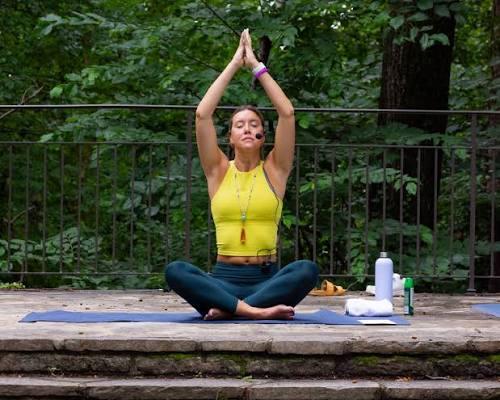
Spending long hours on digital screens often leads to tired eyes, neck stiffness, mental exhaustion, and poor focus. Yoga for stress relief offers a practical way to reduce these effects by calming the nervous system, improving posture, and releasing physical tension caused by screen-heavy routines. With consistent practice, it supports both mental clarity and physical comfort in a digital lifestyle.
Introduction
Most people today spend a major part of their day in front of screens. Whether it is work, studies, or entertainment, digital devices have become part of daily life. However, this constant exposure often leaves the body and mind feeling drained.
This is where yoga for stress relief becomes important. Instead of only managing stress symptoms, it works on both physical tension and mental overload caused by screen time. In this article, we will explore how yoga helps reduce screen fatigue, simply and practical way you can relate to.
What Is Screen-Time Fatigue?
Screen-time fatigue is the tiredness and discomfort caused by long hours of using digital devices. It affects both the body and mind.
Screen-time fatigue often shows up in several ways. Many people experience tired or dry eyes, stiffness in the neck and shoulders, headaches, and difficulty concentrating after long hours on digital devices. Over time, excessive screen use can also contribute to poor posture, disrupted sleep, mental exhaustion, and increased stress levels.
Why Does Excessive Screen Time Increase Stress?
Constant Mental Processing
Digital life keeps the brain active throughout the day. Emails, messages, meetings, and notifications create a nonstop flow of information. This constant mental demand reduces recovery time for the brain, which gradually increases stress and mental fatigue.
Reduced Physical Movement
Sitting for long periods reduces blood circulation and tightens muscles. The neck, shoulders, and lower back are most affected. This physical discomfort often adds to mental stress, making the body feel even more tired by the end of the day.
Blue Light Exposure
Blue light from screens can disturb natural sleep patterns. Poor sleep affects mood, energy levels, and stress control, making screen fatigue worse over time.
Poor Posture
Many people unknowingly develop poor posture while using screens. Leaning forward or looking down for long hours puts extra pressure on the spine and muscles. Over time, this leads to discomfort often called tech neck.
How Does Yoga for Stress Relief Help Reduce Screen-Time Fatigue?
Yoga Calms an Overstimulated Nervous System
Yoga for stress relief helps slow down the body’s stress response. Deep breathing and gentle movements activate the relaxation system, helping the mind feel more settled. With regular practice, many people notice improved focus, emotional balance, and reduced stress during long working hours.
Yoga Relieves Neck and Shoulder Tension
One of the biggest benefits of yoga is its ability to release tight muscles caused by long screen use. Simple stretches improve flexibility in the neck and shoulders, reduce stiffness in the upper back, and help restore natural posture over time.
Yoga Supports Eye Relaxation
While yoga is not a medical treatment for eye strain, relaxation techniques can still help reduce discomfort from screen exposure. Closing the eyes during breathing exercises and practicing mindful rest gives eye muscles a break and helps reduce digital fatigue naturally.
Yoga Helps Improve Sleep Quality
Evening screen use often affects sleep quality. Yoga for stress relief can help calm the mind before bedtime. Gentle stretching and breathing exercises slow down mental activity, reduce stress hormones, and prepare the body for deeper rest. Better sleep also supports faster recovery from daily screen fatigue.
Best Yoga Practices for People Who Use Screens Daily
Restorative Yoga
Restorative yoga focuses on deep relaxation. It allows the body to fully relax, making it ideal for people who feel mentally and physically drained after long screen exposure.
Gentle Flow Yoga
Gentle flow yoga includes slow and controlled movements that help release stiffness from sitting too long. It improves circulation and helps the body feel more active again.
Chair Yoga
Chair yoga is perfect for office environments. It allows simple stretches during short breaks without needing a yoga mat, making it easy to stay active during work hours.
Breathwork Practices
Breathing exercises are one of the quickest ways to reduce stress. Slow and controlled breathing helps calm the nervous system and brings the mind back to focus during busy or overwhelming moments.
Simple Daily Routine to Reduce Screen Fatigue
A short daily routine can make a big difference if done consistently. Even 10 to 15 minutes can help reduce discomfort caused by long screen use.
-
Neck stretches – 2 minutes
-
Shoulder rolls – 2 minutes
-
Cat-Cow pose – 3 minutes
-
Seated spinal twist – 2 minutes
-
Child’s Pose – 3 minutes
-
Deep breathing – 5 minutes
Final Thoughts
Screen time is now a permanent part of modern life, but its side effects do not have to control your daily comfort. Yoga for stress relief offers a simple and natural way to manage both physical strain and mental fatigue caused by digital devices.
With regular practice, it becomes easier to reduce screen fatigue, improve posture, calm the mind, and support overall well-being in a balanced and sustainable way.
About the Author
A professional yoga and wellness expert focused on helping individuals manage stress, improve mobility, and build healthier daily routines. With a practical approach to mindful movement, breathwork, posture awareness, and relaxation techniques, the author creates easy-to-follow guidance for people dealing with screen-related tension, mental fatigue, poor sleep, and everyday stress.
Frequently Asked Questions
Can yoga really reduce screen-time fatigue?
Yoga may help reduce screen fatigue by easing tension in the neck, shoulders, back, and wrists that can develop during long periods of screen use. Gentle movement, breathing exercises, and mindful rest can also help the mind feel calmer and more focused.
What type of yoga is best for people who work on computers all day?
Chair yoga, restorative yoga, and gentle flow yoga are often helpful for people who spend long hours at a desk. These practices focus on posture, flexibility, relaxation, and releasing tightness without requiring an intense workout.
How often should I practice yoga to reduce screen fatigue?
A short 10 to 15-minute yoga routine each day can be helpful when practiced consistently. Taking small movement and breathing breaks throughout the day may also support better comfort and focus.
Can yoga help with neck pain caused by screen use?
Yoga may help relieve mild neck stiffness and shoulder tension linked to poor screen posture. Gentle neck stretches, shoulder rolls, Cat-Cow, and upper-back movements can improve mobility. Persistent or severe pain should be discussed with a qualified healthcare professional.
Does yoga help tired eyes from screen time?
Yoga is not a treatment for eye conditions, but mindful breaks can help reduce discomfort. Closing the eyes during breathing exercises, looking away from screens regularly, and practicing relaxation can give the eyes and mind a needed break.

 English
 Arabic
 Spanish
 Portuguese
 Deutsch
 Turkish
 Dutch
Dutch
 Italiano
 Russian
 Romaian
 Portuguese (Brazil)
 Greek
Greek