


What Are the Side Effects of Vascular Surgery?
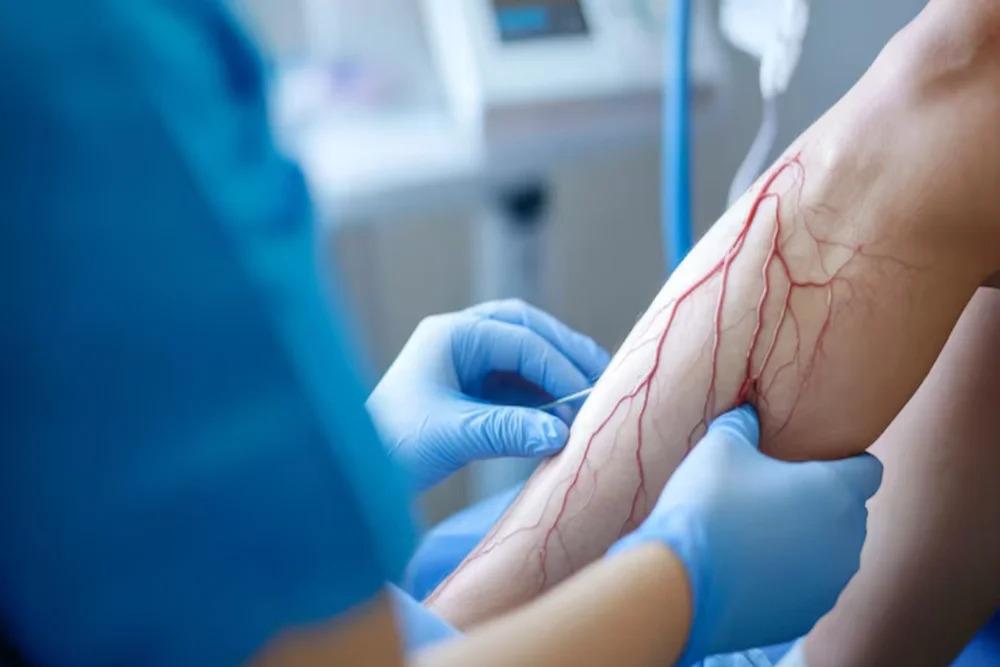
Vascular surgery is a specialized medical procedure performed to diagnose, treat, and manage diseases affecting the arteries, veins, and lymphatic system. Many patients undergo these procedures to improve blood circulation, relieve discomfort, and prevent potentially serious complications. When considering Vascular Surgery in Islamabad it is natural to ask about the possible side effects and what to expect during recovery. Although modern vascular procedures are generally safe and highly effective, every surgical treatment carries certain risks and temporary side effects that patients should understand before making an informed decision. Learning about these effects helps individuals prepare for the recovery process and recognize the difference between normal healing and symptoms that require medical attention.
Understanding Vascular Surgery
Vascular surgery focuses on restoring healthy blood flow throughout the body. Blood vessels transport oxygen and nutrients to tissues, making proper circulation essential for overall health. When arteries become narrowed, veins become enlarged, or blood vessels become blocked, circulation may be compromised, leading to pain, swelling, ulcers, or more severe conditions.Vascular surgeons perform a variety of procedures depending on the patient's diagnosis. Some treatments involve minimally invasive catheter-based techniques, while others require traditional open surgery. The selected procedure depends on the severity of the disease, the location of the affected vessel, and the patient's overall health.Modern surgical advancements have significantly reduced complications and shortened recovery times. Even so, patients should be aware that temporary side effects are a normal part of the body's healing response.
Why Side Effects Occur After Vascular Surgery?
Every surgical procedure causes the body to initiate a natural healing process. During vascular surgery, blood vessels are repaired, replaced, bypassed, or reopened. This process affects nearby tissues, muscles, nerves, and skin.Inflammation develops as the body repairs itself, leading to temporary symptoms that gradually improve. Some side effects are expected and disappear within days or weeks, while others may require additional medical care if they persist.The likelihood and severity of side effects depend on several factors, including the patient's age, overall health, medical history, type of vascular disease, and the complexity of the procedure.
Pain and Discomfort
One of the most common side effects following vascular surgery is pain around the surgical site. This discomfort is usually temporary and gradually decreases as healing progresses.Patients may notice soreness, tenderness, or mild aching during the first few days after surgery. Open vascular procedures generally produce more discomfort than minimally invasive treatments because larger incisions require more tissue healing.
Bruising
Bruising frequently appears after vascular procedures because blood vessels are manipulated during surgery. Small blood vessels beneath the skin may leak a small amount of blood, creating blue, purple, or yellow discoloration.The bruises usually fade naturally over time without requiring additional treatment. Their size and duration vary depending on the complexity of the surgery and the individual's healing ability.Although bruising may appear concerning initially, it is generally considered a normal part of recovery.
Temporary Numbness
Some patients experience numbness or reduced sensation near the surgical incision. This occurs because tiny sensory nerves can become irritated during surgery.Most cases of numbness improve gradually as the nerves recover. The healing processmay take several weeks or even months depending on the extent of nerve irritation.Permanent numbness is relatively uncommon, especially when procedures are performed by experienced vascular surgeons.
Fatigue Following Surgery
Feeling tired after vascular surgery is extremely common. Surgery places stress on the body, requiring significant energy for tissue repair and healing.General anesthesia, medication, temporary blood loss, and reduced physical activity all contribute to postoperative fatigue.Most patients notice gradual improvement in their energy levels as recovery progresses. Maintaining adequate hydration, balanced nutrition, and gentle physical activity can help restore strength more quickly.
Risk of Infection
Like all surgical procedures, vascular surgery carries a small risk of infection. Bacteria may enter through the surgical incision if proper wound care is not maintained.Signs of infection may include increasing redness, warmth, swelling, pus drainage, fever, or worsening pain around the incision.Fortunately, infections remain relatively uncommon because surgeons follow strict sterile techniques and may prescribe antibiotics when necessary.Patients should carefully follow wound care instructions and report any unusual symptoms promptly.
Bleeding
Some bleeding immediately after surgery is expected, especially around the incision site. Minor spotting on surgical dressings is generally considered normal.However, excessive bleeding is uncommon and requires prompt medical evaluation.Patients taking blood-thinning medications require careful monitoring because thesemedications may slightly increase the likelihood of postoperative bleeding.Fortunately, surgeons carefully manage anticoagulant therapy before and after surgery to minimize complications.
Blood Clot Formation
Ironically, although vascular surgery often treats circulation problems, surgery itself may temporarily increase the risk of developing blood clots.Reduced movement during the early recovery period can slow blood circulation, allowing clots to form in the deep veins.To reduce this risk, doctors encourage early walking, prescribe blood-thinning medications when appropriate, and recommend compression stockings for selected patients.Following these instructions significantly lowers the chance of clot formation.
Changes in Skin Color
Some patients notice temporary changes in skin color following vascular surgery. The skin may appear pale, reddish, or slightly darker than usual during healing.These changes usually result from improving blood circulation, temporary inflammation, or bruising.As healing progresses and circulation stabilizes, skin color generally returns to normal.Persistent discoloration should always be evaluated by the treating surgeon.
Fluid Collection
Small collections of fluid may develop beneath the incision after surgery. This condition, known as a seroma, occurs when healing tissues produce excess clear fluid.Most seromas gradually disappear without treatment.Larger collections may occasionally require drainage by the surgeon to improve comfort and accelerate healing.
Scar Formation
Every surgical incision heals by forming scar tissue. The appearance of the scar depends on incision size, surgical technique, genetics, and postoperative care.Initially, scars appear pink, firm, and slightly raised. Over several months, they usually become flatter, softer, and less noticeable.Proper scar care, sun protection, and following medical advice can improve the final cosmetic appearance.
Allergic Reactions
Although uncommon, some patients may experience allergic reactions to medications,anesthesia, adhesives, or surgical dressings.Symptoms may include itching, skin rash, swelling, or redness.Healthcare teams carefully review patient allergies before surgery to reduce this possibility.Any unexpected allergic symptoms should be reported immediately.
Complications Related to Anesthesia
General or regional anesthesia is considered very safe, but temporary side effects may occur after surgery.Patients sometimes experience nausea, sore throat, dizziness, dry mouth, or mild confusion shortly after waking from anesthesia.These symptoms usually resolve within several hours or a few days without long-term effects.Modern anesthetic techniques have greatly improved patient safety and comfort.
Temporary Difficulty Walking
Patients who undergo vascular surgery involving the legs may initially experience difficulty walking because of discomfort, swelling, or muscle stiffness.Physical activity is gradually increased according to the surgeon's recommendations.Walking actually plays an important role in restoring circulation and preventing blood clots.Most patients steadily regain normal mobility as healing continues.
Delayed Wound Healing
Some individuals experience slower wound healing than others. Conditions such as diabetes, smoking, obesity, poor nutrition, or reduced circulation may delay tissue repair.Surgeons closely monitor healing progress during follow-up appointments.Maintaining proper wound care, controlling blood sugar, and avoiding smoking significantly improve healing outcomes.
Recurrence of Vascular Disease
Although surgery successfully treats existing vascular problems, it does not eliminate the possibility of future disease.Healthy lifestyle habits remain essential for protecting blood vessels after surgery.Maintaining a healthy weight, controlling blood pressure, exercising regularly, eating nutritious foods, and avoiding tobacco use reduce the likelihood of future vascular complications.
Emotional Recovery After Surgery
Physical healing is only one aspect of recovery. Some patients experience temporary anxiety, stress, or emotional changes after undergoing surgery.Concerns about healing, activity restrictions, and returning to normal life are completely understandable.Open communication with healthcare providers and family members often provides reassurance during the recovery process.As physical recovery improves, emotional well-being typically improves as well.
How Long Do Side Effects Usually Last?
Most common side effects begin improving within the first few days after surgery.Pain and bruising generally decrease over one to three weeks. Swelling may require several weeks to resolve completely, particularly after procedures involving the legs.Fatigue usually improves within a few weeks, although major surgeries may require a longer recovery period.Scar maturation continues for several months, gradually becoming less noticeable over time.Each patient's healing timeline is unique and depends on the type of surgery and individual health factors.
When Should Patients Contact Their Surgeon?
While most side effects are expected, certain symptoms require immediate medical attention. Increasing pain instead of gradual improvement, persistent fever, excessive bleeding, severe swelling, difficulty breathing, sudden chest pain, loss of sensation, or significant changes in limb color should never be ignored.Prompt evaluation allows healthcare providers to identify complications early and begin appropriate treatment before more serious problems develop.
Reducing the Risk of Side Effects
Patients play an important role in minimizing postoperative complications. Carefully following medical instructions before and after surgery greatly improves recovery.Taking prescribed medications correctly, remaining physically active as advised, attending follow-up appointments, maintaining proper nutrition, drinking adequate fluids, and caring for surgical wounds all contribute to successful healing.Avoiding smoking is particularly important because tobacco significantly delays wound healing and increases the risk of vascular complications.
Conclusion
Vascular surgery has transformed the treatment of many circulation disorders, helping patients regain mobility, relieve pain, and prevent life-threatening complications. Like any surgical procedure, it may be accompanied by temporary side effects such as pain, swelling, bruising, fatigue, numbness, or minor wound discomfort. Fortunately, most of these effects are expected, manageable, and gradually resolve as the body heals

 English
 Arabic
 French
 Spanish
 Portuguese
 Deutsch
 Turkish
 Italiano
 Russian
 Romaian
 Portuguese (Brazil)
 Greek
Greek