


Duct Replacements: Complete Guide to HVAC System Upgrades, Benefits, and Costs
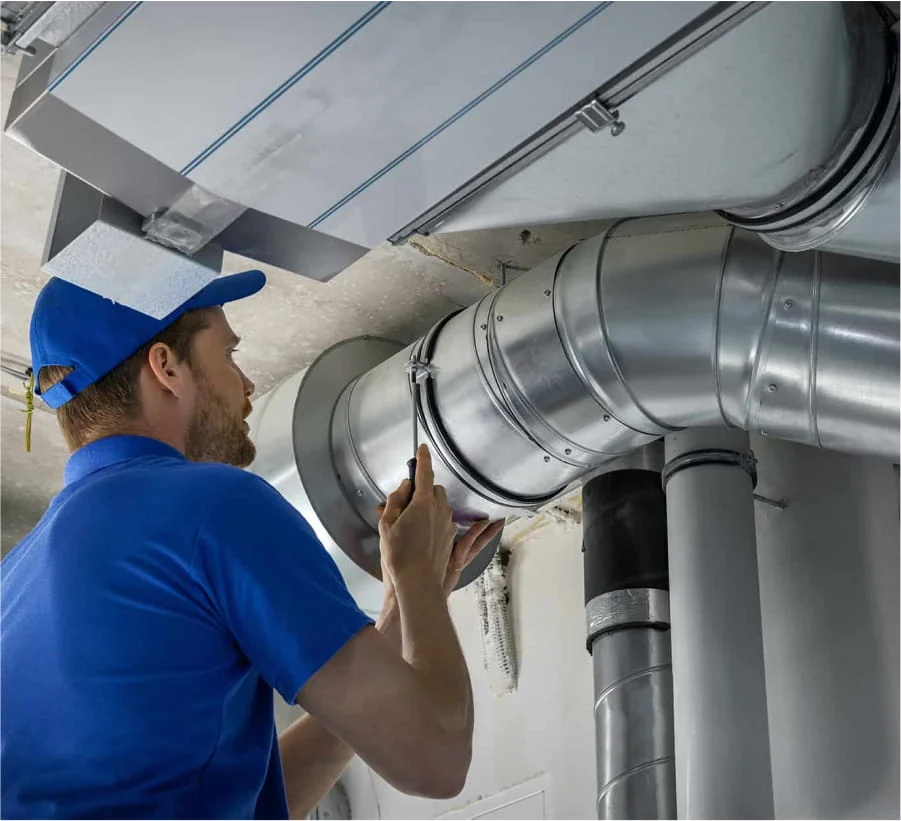
When an HVAC system starts losing efficiency, one of the most overlooked causes is aging or damaged ductwork. While minor issues can often be solved with repairs, there comes a point where duct replacements become the most practical and cost-effective solution.
Ductwork is responsible for distributing conditioned air throughout a building. If it is old, leaky, contaminated, or poorly designed, the entire HVAC system suffers. Replacing ducts ensures better airflow, improved energy efficiency, and healthier indoor air quality.
In this comprehensive guide, we will explore everything about duct replacements, including when they are needed, the process involved, costs, benefits, and maintenance tips to help you make an informed decision.
What Are Duct Replacements?
Duct replacements involve removing old, damaged, or inefficient air duct systems and installing entirely new ductwork. Unlike repairs, which fix specific sections, replacement is a full-system upgrade.
Ducts are typically made of:
-
Galvanized steel
-
Aluminum
-
Flexible plastic tubing
-
Fiberglass-lined materials
Over time, these materials degrade due to age, moisture, pests, dust buildup, and poor installation. When deterioration becomes widespread, replacement is the only reliable solution.
Why Duct Replacements Are Necessary
There are several reasons homeowners and businesses choose duct replacements over repairs.
Severe Air Leaks
Old duct systems often develop multiple leaks that cannot be efficiently sealed.
Aging Infrastructure
Ductwork typically lasts 15–25 years. Beyond this, performance drops significantly.
Poor HVAC Efficiency
Outdated ducts restrict airflow and force HVAC systems to work harder.
Health Concerns
Contaminated ducts can spread dust, mold spores, and allergens.
Frequent Repairs
If you are constantly paying for duct repairs, replacement becomes more economical.
Common Signs You Need Duct Replacements
Recognizing the warning signs early can prevent energy waste and system failure.
-
Uneven heating or cooling in rooms
-
High electricity or gas bills
-
Weak airflow from vents
-
Persistent dust or odors in the home
-
Visible rust or damage on ductwork
-
Noisy HVAC operation
-
Mold growth inside ducts
-
HVAC system overworking or short cycling
If multiple issues appear at once, full duct replacements are likely necessary.
Types of Duct Systems Used in Replacements
When replacing ductwork, HVAC professionals may install different types depending on building structure and budget.
Sheet Metal Ducts
Highly durable, long-lasting, and ideal for permanent installations.
Flexible Ducts
Easier to install in tight spaces but less durable than metal ducts.
Fiberglass-Lined Ducts
Provide insulation and noise reduction but require careful maintenance.
Hybrid Systems
A combination of rigid and flexible ducts for optimized airflow and cost efficiency.
Choosing the right material is a key part of successful duct replacements.
The Duct Replacement Process Explained
Understanding how professionals carry out duct replacements helps you know what to expect.
Step 1: System Inspection
Technicians evaluate the existing duct system using airflow tests and visual inspections.
Step 2: Design and Planning
A new duct layout is designed to maximize airflow efficiency.
Step 3: Removal of Old Ducts
Damaged or outdated ducts are carefully dismantled and removed.
Step 4: Installation of New Ductwork
New ducts are installed according to HVAC design standards.
Step 5: Sealing and Insulation
All joints are sealed, and insulation is added to prevent energy loss.
Step 6: Testing and Balancing
Airflow is tested and balanced across all rooms for consistent performance.
Duct Repairs vs Duct Replacements
It is important to understand when to repair and when to replace.
Choose Repairs When:
-
Damage is minor
-
System is relatively new
-
Leaks are isolated
Choose Replacements When:
-
Ducts are over 20 years old
-
Damage is widespread
-
Energy efficiency is poor
-
Mold or contamination is present
In many cases, duct replacements provide better long-term value than repeated repairs.
Cost of Duct Replacements
The cost of duct replacements varies depending on several factors:
-
Size of the building
-
Type of duct material
-
Complexity of installation
-
Accessibility of ductwork
-
Labor charges
Although replacement is a larger upfront investment, it significantly reduces long-term energy costs and maintenance expenses.
Benefits of Duct Replacements
Upgrading your duct system offers numerous advantages.
Improved Energy Efficiency
New ducts eliminate leaks and reduce energy waste.
Lower Utility Bills
Efficient airflow reduces HVAC workload and energy consumption.
Better Indoor Air Quality
New duct systems prevent dust, mold, and pollutants from circulating.
Enhanced Comfort
Consistent airflow ensures stable temperatures throughout the building.
Reduced HVAC Wear and Tear
Your heating and cooling system operates more efficiently and lasts longer.
Quieter Operation
Modern duct systems reduce noise caused by airflow imbalance.
Energy Efficiency and Duct Replacements
One of the biggest benefits of duct replacements is improved energy efficiency.
Leaky or poorly designed ducts can waste a significant portion of conditioned air. When replaced with properly sealed and insulated systems, energy loss is minimized.
While HVAC systems are not mathematical models, this visualization helps illustrate how inefficiencies (like leaks) can distort performance—just as uneven curves represent imbalance, old ducts create uneven airflow distribution.
How Long Do New Duct Systems Last?
A properly installed duct system can last between 20 to 30 years depending on:
-
Material quality
-
Installation standards
-
Maintenance routine
-
Environmental conditions
Regular inspections help extend the lifespan of newly installed ducts after replacement.
Maintenance Tips After Duct Replacements
To maximize the lifespan of your new system:
Schedule Regular Inspections
Check ducts annually for leaks or dust buildup.
Replace Air Filters Frequently
Dirty filters restrict airflow and strain the system.
Keep Vents Clean
Ensure vents are not blocked by furniture or dust.
Maintain Proper Insulation
Insulation helps prevent energy loss in extreme temperatures.
Professional HVAC Servicing
Annual servicing ensures long-term performance and efficiency.
Environmental Benefits of Duct Replacements
Upgrading duct systems also benefits the environment:
-
Reduced energy consumption
-
Lower greenhouse gas emissions
-
Improved HVAC efficiency
-
Less material waste from frequent repairs
Energy-efficient homes contribute to a more sustainable future.
Safety Benefits of Duct Replacements
Old or damaged ducts can create safety risks, including:
-
Mold exposure
-
Fire hazards from overheating systems
-
Carbon monoxide circulation (in extreme cases)
-
Poor ventilation in enclosed spaces
Replacing ducts eliminates these risks and improves indoor safety.
When Should You Replace Your Entire HVAC System Instead?
In some cases, duct replacement alone is not enough. You may need a full HVAC upgrade if:
-
The system is over 15–20 years old
-
Frequent breakdowns occur
-
Energy bills remain high even after repairs
-
Major components are failing
A professional HVAC technician can help evaluate whether full system replacement is necessary.
Conclusion
Duct replacements are a critical investment for maintaining a healthy, efficient, and comfortable indoor environment. While repairs can address minor issues, full replacement is often the best long-term solution when duct systems become old, damaged, or inefficient.
By upgrading your ductwork, you improve airflow, reduce energy costs, enhance indoor air quality, and extend the life of your HVAC system. Whether for a home or commercial building, duct replacement is a smart step toward long-term comfort and efficiency.
FAQs About Duct Replacements
What are duct replacements?
Duct replacements involve removing old duct systems and installing new ones to improve airflow and efficiency.
How do I know if I need duct replacements?
Signs include high energy bills, uneven temperatures, weak airflow, and old or damaged ductwork.
How long does duct replacement take?
Most residential duct replacements take 1–3 days depending on system size and complexity.
Is duct replacement better than repair?
If damage is widespread or ducts are old, replacement is more cost-effective than repeated repairs.
How much do duct replacements cost?
Costs vary based on home size, duct material, and installation complexity.
Do new ducts improve air quality?
Yes, new duct systems reduce dust, mold, and allergens in indoor air.
How long do new duct systems last?
Properly installed ducts can last 20–30 years with regular maintenance.

 English
 Arabic
 French
 Portuguese
 Deutsch
 Turkish
 Dutch
Dutch
 Italiano
 Russian
 Romaian
 Portuguese (Brazil)
 Greek
Greek